
Man On Death Row For Almost 30 Years Will Be Freed
A man on Alabama’s death row for almost 30 years will be freed tomorrow Friday, April 3, after a judge dismissed the case. Prosecutors say the evidence that tied the man to two murders is not reliable.
Anthony Ray Hinton was convicted and sentenced to death for killing two managers at Birmingham fast-food restaurants during two separate robberies in 1985. His conviction largely rested on eyewitness testimony from a survivor and six bullets found at the crime scenes linked to a gun found in Hinton’s home. But after new testing this year, prosecutors found they could no longer conclusively say those bullets came from that gun.
The U.S. Supreme Court granted Hinton a new trial last year, saying he had an inadequate defense. That’s because his lawyer used a low-cost ballistics expert who was easily discredited on cross-examination.

Parents, are you sure your kid’s car seat is installed right? Here’s how to know
In this visual guide, certified car seat experts walk through common installation mistakes and how to fix them. Learn what a secure car seat base and a tightly fastened tether look like and more.

Trump announces ‘major combat operations’ in Iran
Israel and the U.S. have launched strikes against Iran, with explosions reported in Tehran and air raid sirens sounding across Israel.
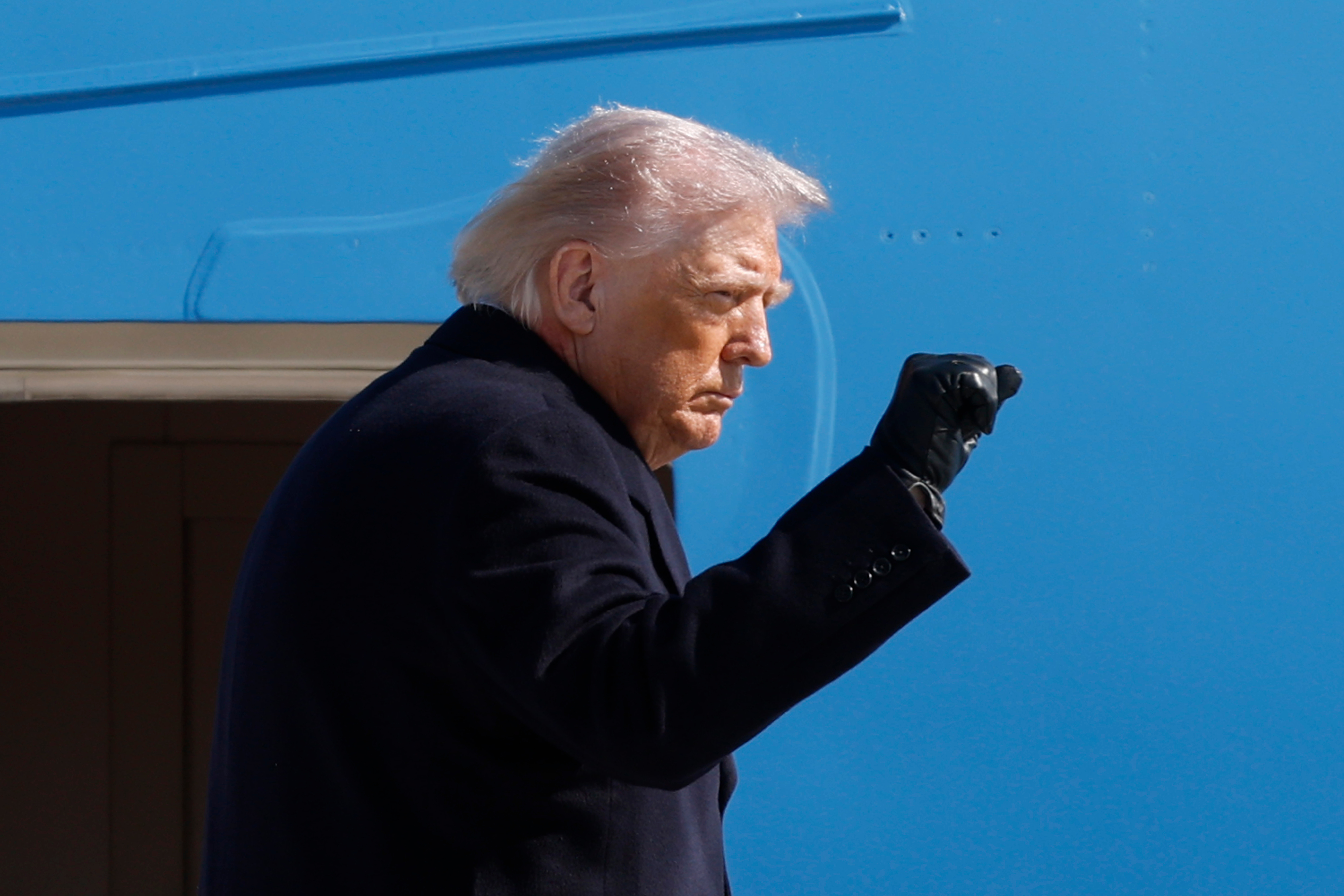
Trump says he is ‘not happy’ with the Iran nuclear talks but indicates he’ll give them more time
U.S. President Donald Trump said Friday he's "not happy" with the latest talks over Iran's nuclear program but indicated he would give negotiators more time to reach a deal to avert another war in the Middle East.
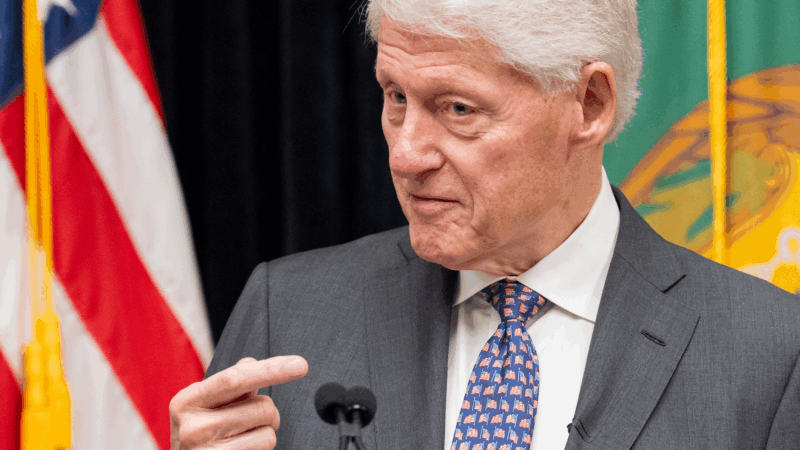
Bill Clinton says he ‘did nothing wrong’ with Epstein as he faced grilling over their relationship
Former President Bill Clinton told members of Congress on Friday that he "did nothing wrong" in his relationship with Jeffrey Epstein and saw no signs of Epstein's sexual abuse as he faced hours of grilling from lawmakers over his connections to the disgraced financier from more than two decades ago.

How the federal government is painting immigrants as criminals on social media
Experts say this kind of media campaign is unprecedented and paints a distorted picture of immigrants and crime

Pentagon puts Scouts ‘on notice’ over DEI and girl-centered policies
After threatening to sever ties with the organization formerly known as the Boy Scouts, Defense Secretary Hegseth announced a 6-month reprieve
