
September 3 Morning News
September 3, 2012, Morning News
A group of Bessemer residents wants their courthouse to stay open. The Birmingham News reports that the group called “Saving Bessemer” plans to meet tomorrow morning on the steps of the local justice center to let their views be known. Jefferson County officials are considering the possibility of moving the courthouse to an empty mall. But the group wants the courthouse to remain in downtown Bessemer.
U.S. Steel and the United Steelworkers have reportedly reached a tentative agreement on a three-year contract covering more than 16,000 workers at domestic facilities, including one in Fairfield, Alabama. U.S. Steel says the talks covered health care for retirees and other issues. The union says members will vote after reviewing details over the next few weeks. The two sides had been negotiating since June on a contract to replace the existing pact, which expired Saturday.
It’s been 81 years since nine black teenagers were convicted of raping two white women, one of whom later recanted her story. But only one of the nine Scottsboro Boys (pictured above) was pardoned of his rape convictions before the men died. Now a push is on by the Scottsboro Boys Museum and others to make sure that happens for the other eight. Governor Robert Bentley says he would like to see a pardon, but state law doesn’t allow him to issue them. The state parole board says its rules don’t allow posthumous pardons. Two legislators are working on resolutions saying the state considers the names of the Scottsboro Boys cleared.
Visitors to some Civil War anniversary events are hearing another long-silenced sound amid the cannon fire. It’s music from 19th-century minstrel shows, performed not in blackface but in uniform. Some re-enactors have formed camp bands to play music that soldiers enjoyed hearing around battlefield campfires. Groups such as the 2nd South Carolina String Band pride themselves on their accurate impressions — right down to the exaggerated black dialect of songs with inescapably racist overtones. The musicians say they don’t mean to offend. Critics say they should help listeners understand how the demeaning songs also helped popularize the banjo, an instrument with African roots.

Tennessee GOP Rep says Muslims ‘don’t belong in American society’
Rep. Andy Ogles' social media post is the latest in a series of Islamophobic statements from House Republicans.

Trump set to hold a press conference as U.S.-Israel-led Iran war enters second week
It comes as oil and gas prices soar, throwing the global economy into turmoil.
Epstein used his ties to Nobel laureate scientists to try to rebuild his image
A 2006 conference for physicists in the U.S. Virgin Islands that included a trip to Jeffrey Epstein's private island shows how he used his wealth to build relationships with prominent scientists.
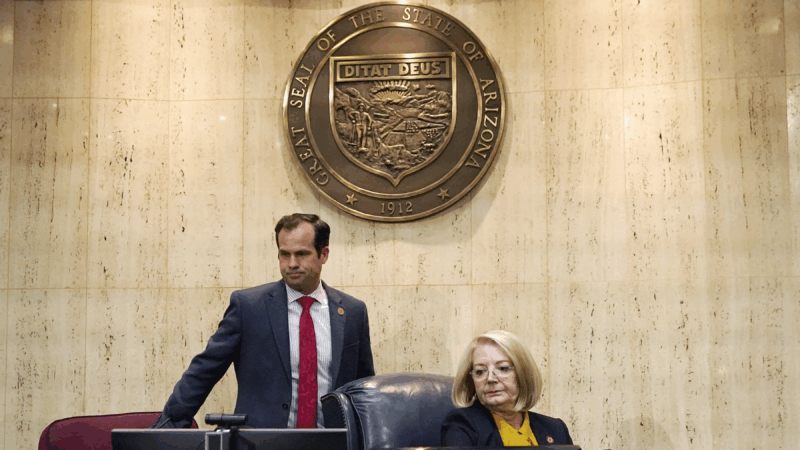
Top Arizona lawmaker says he’s complied with a subpoena for 2020 election records
Arizona's state Senate president says he has complied with a subpoena he received last week seeking records from a flawed, Republican-led review of the 2020 election in Maricopa County.

Colors fly as Hoover celebrates Holi
Colored powder filled the air at Veterans Park in Hoover on Saturday. Crowds gathered to celebrate Holi, the Hindu festival of Spring, usually identified by the throwing of colors.

What to know about Mojtaba Khamenei, Iran’s new supreme leader
The second son of the late supreme leader keeps a low profile. But he's long been viewed as wielding his power behind the scenes, from crushing dissent to influencing presidential elections.
