
First Black Member of U.S. Federal Reserve Dies
First Black Member Of U.S. Federal Reserve, Former Tuskegee University Board of Trustees Chair Dies

Andrew F. Brimmer, the former chair of the Tuskegee University Board of Trustees, died on Oct. 7. He was 86.
“If, as Booker T. Washington asserted, a man should be judged by the obstacles he had to overcome in life, then Dr. Andrew F. Brimmer was indeed a giant and his lifetime accomplishments should continue to be an inspiration to future generations,” said Tuskegee University President Gilbert L. Rochon.
Brimmer was an economist who became the first black member of the U.S. Federal Reserve Board. In 1963, President John F. Kennedy appointed Brimmer deputy assistant secretary for economic policy in the U. S. Department of Commerce. President Lyndon B. Johnson promoted him to assistant secretary for economic affairs in 1965. In 1966, President Johnson appointed him to a 14-year term as a member of the Board of Governors of the Federal Reserve System. He was the first black person to serve on the board since its founding in 1913. After serving nearly nine years, Brimmer resigned from the Federal Reserve in 1974 to teach at Harvard University’s Graduate School of Business.
He was elected to the Tuskegee University Board of Trustees in 1965 and became chair in 1982. Brimmer retired in October 2010 after serving the board for 45 years. He was Tuskegee’s ninth board chair for 28 years.

Kalshi reveals insider trading case against editor for MrBeast
With prediction markets booming, so have concerns about insider trading. Now, Kalshi has disclosed its first public actions against accounts suspected of trading on confidential information.

Greetings from Jordan’s Wadi Rum desert, where patches of green emerge after winter rains
Wadi Rum's otherworldly landscape is where Star Wars movies and The Martian were filmed. In late winter, plants emerge in this desert — but some are toxic to camels, so their herders must protect them.
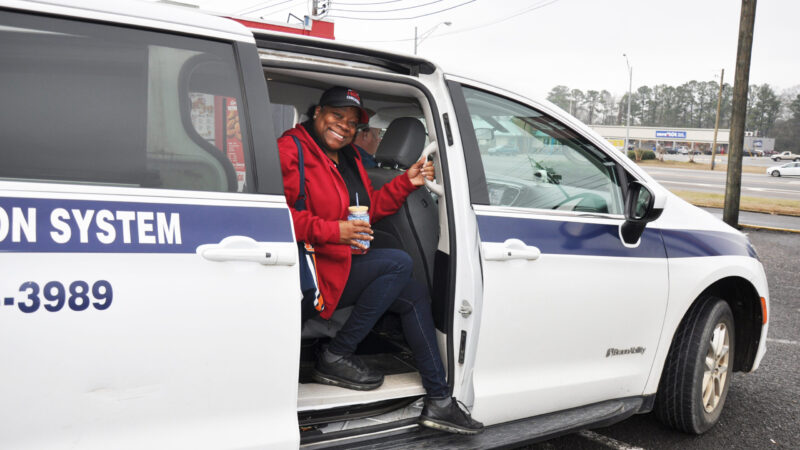
Lack of transportation keeps many Alabamians from working. Rural public transit programs are trying to help
While lack of transportation is a major employment barrier in Alabama, few people take public transit to work. That dynamic is even more pronounced in rural areas.
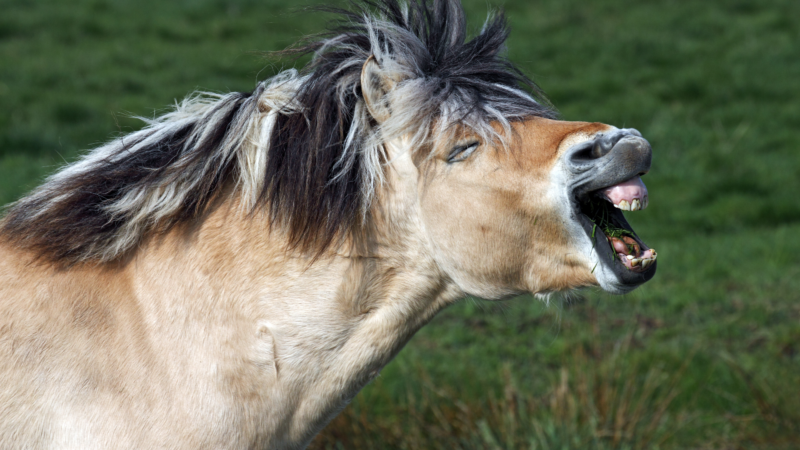
When a horse whinnies, there’s more than meets the ear
A new study finds that horse whinnies are made of both a high and a low frequency, generated by different parts of the vocal tract. The two-tone sound may help horses convey more complex information.
Hundreds of American nurses choose Canada over the U.S. under Trump
More than 1,000 American nurses have successfully applied for licensure in British Columbia since April, a massive increase over prior years.

Trump’s many tariff tools mean consumer prices won’t go down, analysts say
The Supreme Court struck down President Trump's signature tariffs. But the president has other tariff tools, and consumers shouldn't expect cheaper prices anytime soon, economists say.
