
Open Meetings Law
Jefferson County Commissioners will meet tomorrow to determine their next move as the county struggles with more than three billion dollars of sewer debt. They could reach a settlement with creditors or file what would be the largest municipal bankruptcy in U.S. history. But they’ll hold the meeting in executive session. That means meeting with lawyers, behind closed doors. And as WBHM’s Andrew Yeager reports that has some questioning if they’re violating Alabama’s open meetings law.
A week ago Jefferson County Commissioners met in executive session for more than four hours. When they emerged, the media gaggle of cameras and microphones enveloped commission president David Carrington. He briefly explained that Governor Robert Bentley asked commissioners to continue negotiating with creditors.
“Then we agreed with the governor to give it another eight days but we also agreed that August the 12th was the date.”
Phrases such as “we agreed” suggests they could be breaking Alabama’s open meetings law. Such laws are designed so the public can see what elected officials are doing on their behalf. Dennis Bailey is general council for the Alabama Press Association and helped write the statute. He says it’s pretty clear. Executive sessions protect conversations under what you might think of as the commission’s attorney/client privilege.
“What do you recommend Mr. Attorney or Ms. Attorney? What do you think we ought to respond? What are our options? Can we do this? Can we do that? If that’s what’s going on between the board members and the attorney that’s okay to be done in executive session.”
Bailey says that changes when the commissioners start talking among themselves.
“Where they want to say ‘I don’t think we should do “X.” I think we should do “Y.”‘ And they’re talking to the commissioners that sit with them. That’s when they cross the line. That kind of discussion needs to be in the open.”
Bailey says phrases indicating agreement among commissioners, as well as a report in Wednesday’s Birmingham News with details of a proposed settlement from the county, is circumstantial evidence of an open meetings violation.
Jimmie Stephens is finance chair of the Jefferson County Commission. He says they’ve done nothing wrong.
“There was no deliberations made during that meeting. It was purely informational.”
Stephens says they made no decision. They took no action. Continuing negotiations just continues the status quo. Stephens says he has opinions about bankruptcy and settlement, but they are his. Not the commissions’.
“We do not have a collective thought until our meeting on Friday. All collective decisions are gonna be made in a public meeting.”
Alabama Ethics Commission Director Jim Sumner says the state attorney general would have to issue any opinion on whether the commission is breaking the state open meetings law. But Sumner thinks they might be. A spokeswoman for the attorney general’s office declined to comment, but says she knows of no complains the office has received related to the Jefferson County sewer meetings.
Commissioner Jimmie Stephens says even if the county decides to settle on Friday, that wouldn’t be the end. They would still have to hammer out line-by-line specifics of the solution. Stephens says that’s when public input would come.
“We plan on having a public hearing and a public forum to discuss whether we will proceed or not.”
He says those details would go into a final legal settlement for approval in an open meeting.
Regardless of Friday’s decision, the closed doors leave some critics uneasy. After all, secret meetings and backroom deals contributed to Jefferson County’s financial crisis in the first place.
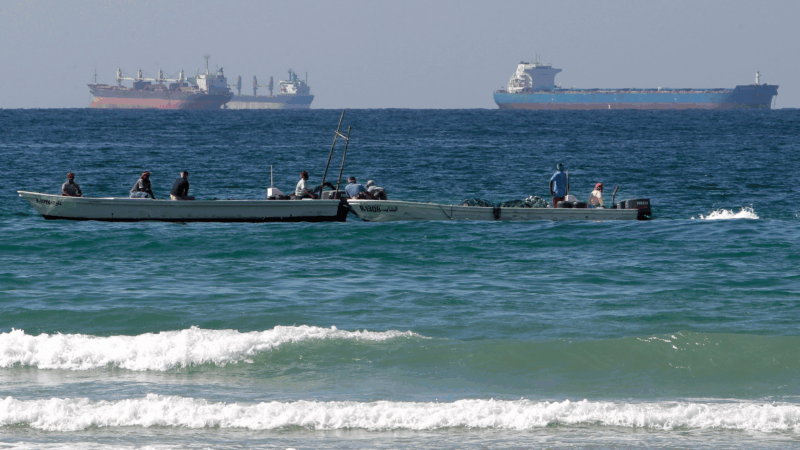
Oil prices rise sharply in market trading after attacks in Middle East disrupt supply
The high prices came as U.S. and Israeli attacks on Iran and retaliatory strikes against Israel and U.S. military installations around the Gulf sent disruptions through the global energy supply chain.
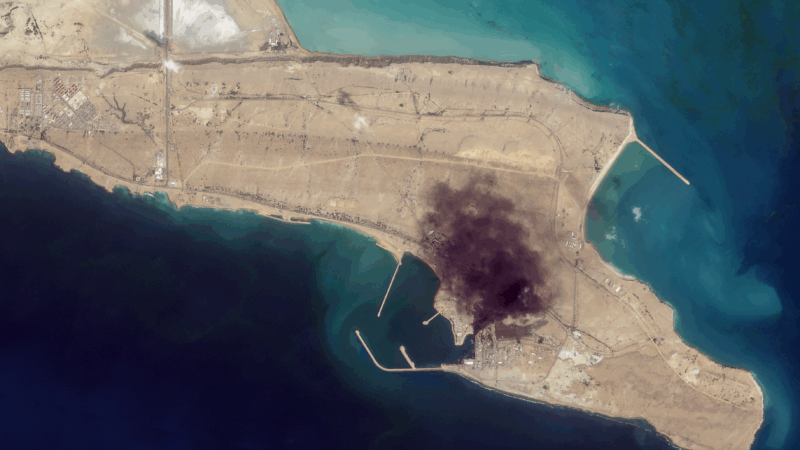
Satellite images provide view inside Iran at war
Satellite images from commercial companies show the extent of U.S. and Israeli strikes, and how Iran is responding.
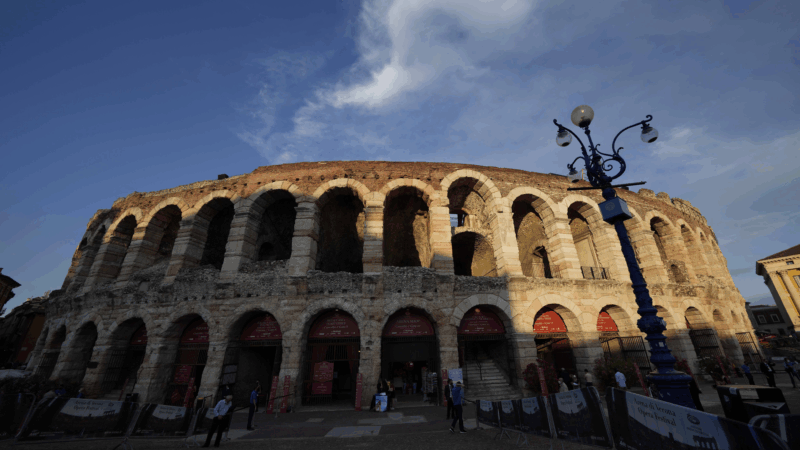
Mideast clashes breach Olympic truce as athletes gather for Winter Paralympic Games
Fighting intensified in the Middle East during the Olympic truce, in effect through March 15. Flights are being disrupted as athletes and families converge on Italy for the Winter Paralympics.

A U.S. scholarship thrills a teacher in India. Then came the soul-crushing questions
She was thrilled to become the first teacher from a government-sponsored school in India to get a Fulbright exchange award to learn from U.S. schools. People asked two questions that clouded her joy.
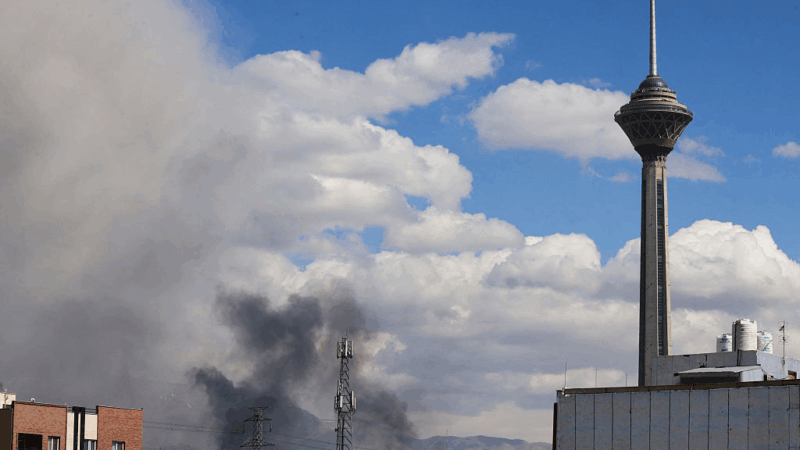
U.S.-Israeli strikes in Iran continue into 2nd day, as the region faces turmoil
Israel said on Sunday it had launched more attacks on Iran, while the Iranian government continued strikes on Israel and on U.S. targets in Gulf states, Iraq and Jordan.
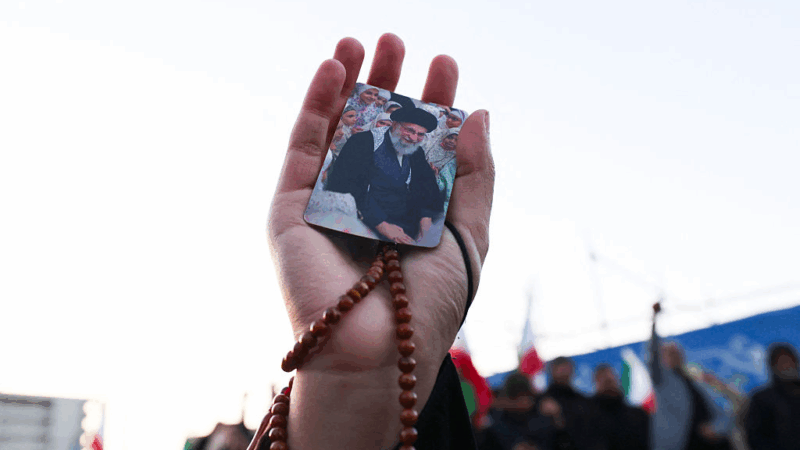
Trump warns Iran not to retaliate after Ayatollah Ali Khamenei is killed
The Iranian government has announced 40 days of mourning. The country's supreme leader was killed following an attack launched by the U.S. and Israel on Saturday against Iran.
