
Alabama and the Oil Spill: The Domino Effect
It’s been more than a year since the Deepwater Horizon oil spill, and still, businesses across Alabama’s Gulf Coast are struggling to rebound. Sales are off for everyone from seafood processors to charter boat operators. And, as Les Lovoy reports, there’s a domino effect that’s sweeping up other, less obvious industries across the gulf and beyond.
At T&E seafood in Bon Secour, Alabama, three men sit hunched in a tiny room, shucking oysters from small buckets. Owner Joey Wilkerson says they’re busy, but looks are deceiving. He says before the oil spill…
“The shop was slap full. People working. We’d work two and three shifts a day trying to get enough shucked.”
But then, his primary supplier of oysters lost 70% of their business.
“Now we work two or three days a week. Everybody is scared and the sales are just terrible right now.”
Over in Orange Beach,charter boat operators Randy and Susan Boggs say northern tourists still aren’t coming to the Gulf to escape the cold.
“Cash sales are down. We’re not seeing the customer base that we have seen. And, then we ourselves are, I guess, kind of starving our vendors because we’re not spending the amount of money that we would normally spend to get ready for an upcoming fishing season because of the unknown factor of how many people will show up.”
It doesn’t take him long to list the number of businesses that are affected by his decrease in sales. He starts with the retail stores at the marina.
“The shops here. My boats normally draw about 240 passengers a day across the docks. If I’m not moving and drawing those 240 passengers a day, that’s one shop that’s not selling a couple of t-shirts, that not selling a hat, a pair of sunglasses for someone to get on the boat.”
And, he keeps going. He names bait, fuel, tackle even ice cream suppliers, as well as t-shirt silk screeners. And, that’s just the beginning. Norman Schuchman says it’s not just local businesses that are affected. He’s manager of the Gulf Coast Business Support Center in Gulf Shores.
“It was thought for awhile that it will be just on the Gulf Coast. It’s not. I had a trucking company call me out of Oklahoma. Said, “Norm, what’s going on?” I said, “What’s the matter?” Said we were coming down there two or three times a week. He said we may get two or three times a month now. He, said, I think that’s going to go down.”
Johnny Nguyn is vice president of SPS, Inc., an accounting firm in Mobile. Many of his clients have been coming to him for advice on how to survive. He sees the domino affect the spill has on support businesses every day. The hotel industry is one example.
“Because when we all stay at the hotel, we don’t think about the cleaning service that cleans and put our bed sheets together that was contracted out by the hotel owner.”
Phyllis Pearson agrees. She owns a very small cleaning service that specializes in cleaning tourist hotel rooms and linens.
“Where normally in the summer I have 50 employees, we pretty well had 12 to 15 people I went through the summer with. We’re down eighty percent right now, and we just hold on.”
Phyllis says, like so many other support businesses along the Gulf Coast, she’s looking forward to a time when she can sleep at night and not worry about losing the business she worked so hard to build.
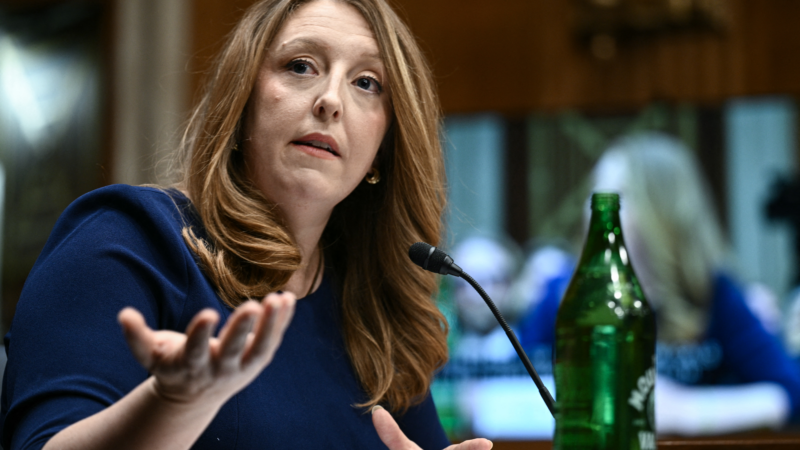
Surgeon general nominee Means questioned about vaccines, birth control and financial conflicts
During a confirmation hearing, senators asked Dr. Casey Means about her current positions and her past statements on a range of public health issues.

Kalshi reveals insider trading case against editor for MrBeast
With prediction markets booming, so have concerns about insider trading. Now, Kalshi has disclosed its first public actions against accounts suspected of trading on confidential information.
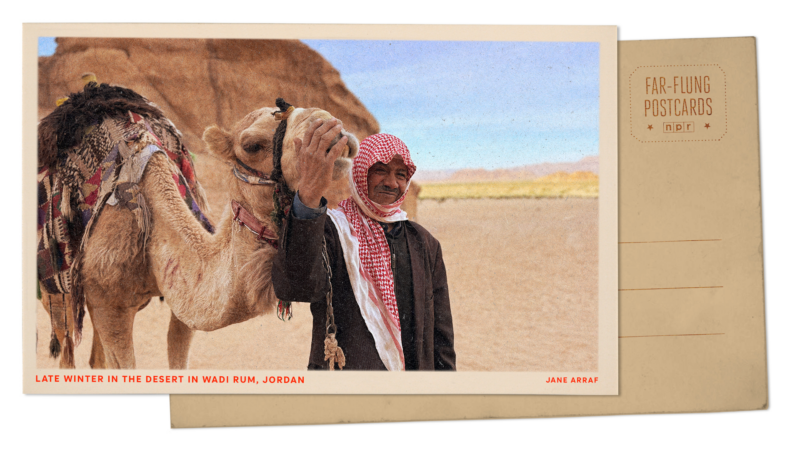
Greetings from Jordan’s Wadi Rum desert, where patches of green emerge after winter rains
Wadi Rum's otherworldly landscape is where Star Wars movies and The Martian were filmed. In late winter, plants emerge in this desert — but some are toxic to camels, so their herders must protect them.
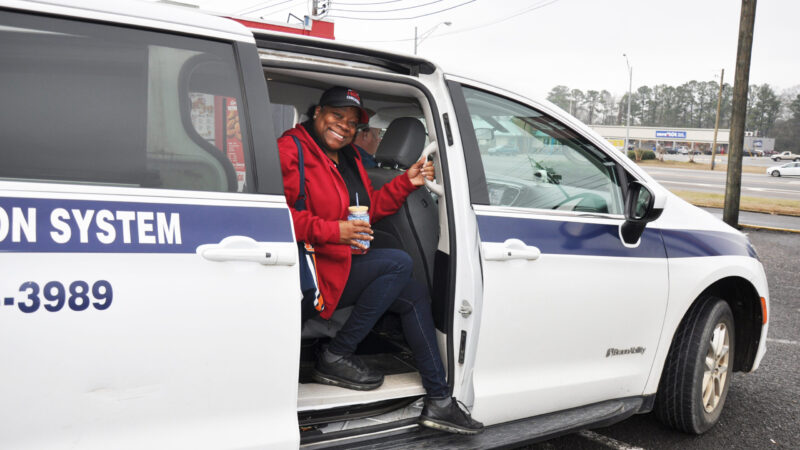
Lack of transportation keeps many Alabamians from working. Rural public transit programs are trying to help
While lack of transportation is a major employment barrier in Alabama, few people take public transit to work. That dynamic is even more pronounced in rural areas.
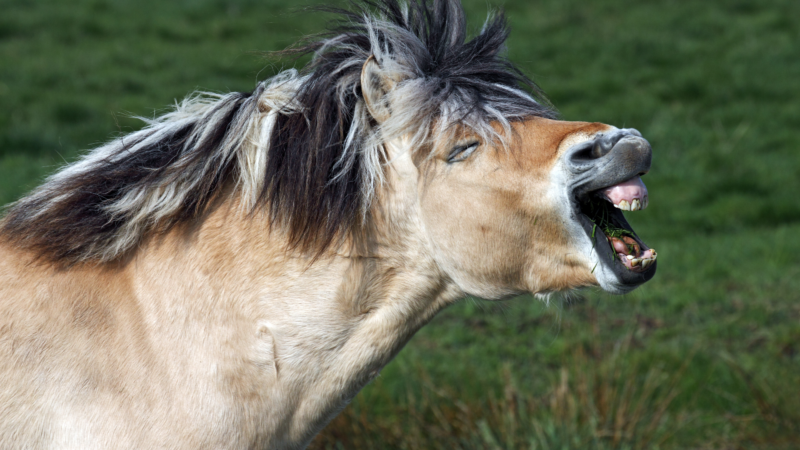
When a horse whinnies, there’s more than meets the ear
A new study finds that horse whinnies are made of both a high and a low frequency, generated by different parts of the vocal tract. The two-tone sound may help horses convey more complex information.
Hundreds of American nurses choose Canada over the U.S. under Trump
More than 1,000 American nurses have successfully applied for licensure in British Columbia since April, a massive increase over prior years.
