
Alabama Economy: Regions Bank
“I’m here at Bragg Middle School in Gardendale and I’m in the kitchen with…”
“Eleicia Roden.”
Roden chops vegetables and assembles the lettuce, cherry tomatoes and other ingredients into salads. At the other end of the kitchen we have…
“Kyong Chae. But a lot of people can’t pronounce [it] so they call me Kim.”
Kim dumps flour into a mixer and lets the machine churn the concoction into dough. Then Kim spreads the dough across the counter, cuts out the individual rolls and it’s into a warming cabinet to briefly rise. After a few minutes in the oven, you have a couple hundred rolls for today’s lunch.
Now trust me, this does have to do with banking. Birmingham Southern Business School Dean Stephen Craft says a public institution like the Jefferson County School Corporation is like that salad. The money to operate a school is really just redistributed like the cherry tomatoes, cucumbers or carrot sticks. They don’t change size whether they’re in separate bins or on a plate. But Craft says Regions is like the rolls. The company makes loans to expand business and that creates more jobs and more wealth. The dough expands.
So with today’s financial climate, how well can Regions grow the dough?
“You know at this point in time capital is king.”
Regions spokesman Tim Deighton says the more cash banks have on hand, the easier it is to move money around and keep the doors open. It also allows banks to absorb losses. At the end of August the federal government allowed Regions to take over the failed Integrity Bank in Georgia, giving Regions more than $900 million in deposits. And in the second quarter of this year, Regions cut its dividend by almost 75%, again to hang onto more capital. Birmingham Southern’s Stephen Craft says that certainly means less income for stockholders, but it’s adding to the long term health of the company.
“So in the long run, this is really in the stock holder’s benefit.”
“So you’re having a little pain now for less severe pain later.”
“Exactly.”
“We haven’t been immune from the things that have happened in the economy.”
Tim Deighton says with the collapse of the housing market means Regions has had some losses, but that’s been minimized because the company wasn’t a big player in sub-prime lending. Regions is making money but second quarter profits were down about half. And the company’s stock? After yesterday’s market plunge it’s slid down almost 75% from a year ago. So what to do?
“Our focus is to manage our business well…to put ourselves in the position of
strength for long term growth.”
Stephen Craft says Regions is basically making the right moves, like cutting dividends. So with the housing collapse, credit crunch, federal bailout, all those pictures of Wall Street traders hands to their heads, what’s his assessment of Regions?
“Regions, right now, it does not appear that they are being as strongly impacted as other banks.”
Better news for Birmingham and that mechanism of expanding the local economic bread.

Oil prices rise sharply in market trading after attacks in Middle East disrupt supply
The high prices came as U.S. and Israeli attacks on Iran and retaliatory strikes against Israel and U.S. military installations around the Gulf sent disruptions through the global energy supply chain.
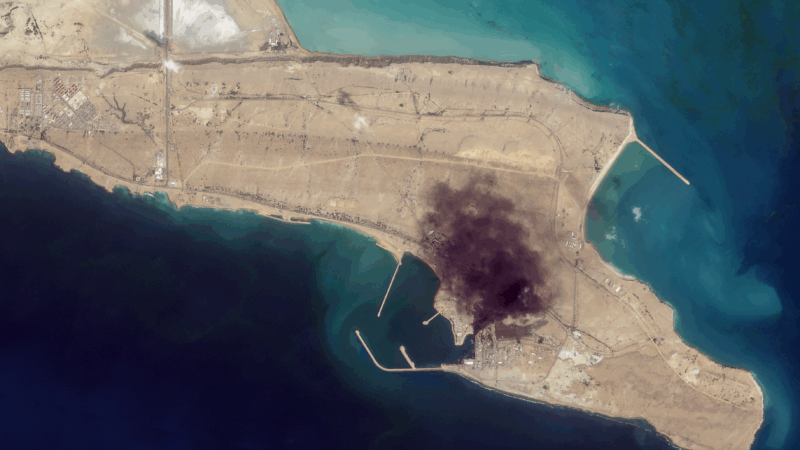
Satellite images provide view inside Iran at war
Satellite images from commercial companies show the extent of U.S. and Israeli strikes, and how Iran is responding.
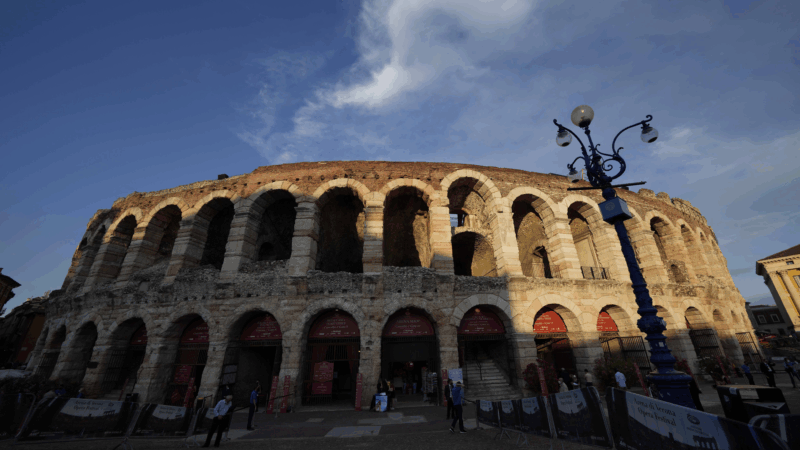
Mideast clashes breach Olympic truce as athletes gather for Winter Paralympic Games
Fighting intensified in the Middle East during the Olympic truce, in effect through March 15. Flights are being disrupted as athletes and families converge on Italy for the Winter Paralympics.

A U.S. scholarship thrills a teacher in India. Then came the soul-crushing questions
She was thrilled to become the first teacher from a government-sponsored school in India to get a Fulbright exchange award to learn from U.S. schools. People asked two questions that clouded her joy.
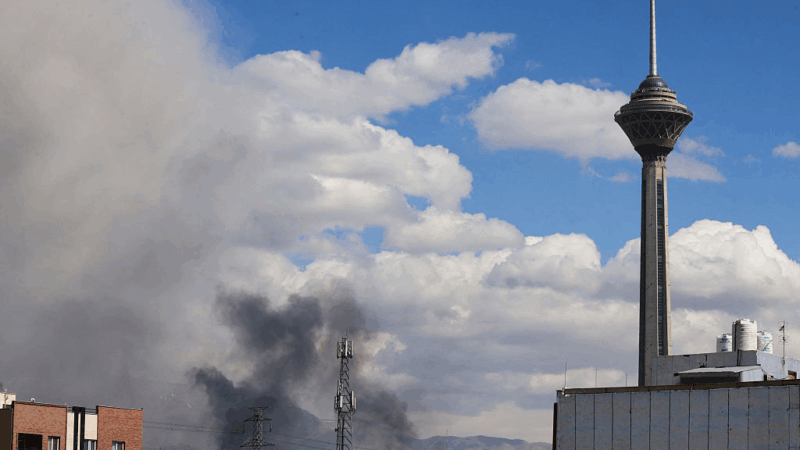
U.S.-Israeli strikes in Iran continue into 2nd day, as the region faces turmoil
Israel said on Sunday it had launched more attacks on Iran, while the Iranian government continued strikes on Israel and on U.S. targets in Gulf states, Iraq and Jordan.

Trump warns Iran not to retaliate after Ayatollah Ali Khamenei is killed
The Iranian government has announced 40 days of mourning. The country's supreme leader was killed following an attack launched by the U.S. and Israel on Saturday against Iran.
