
Why short breaks to move around are crucial for your creative process

This piece also appeared in NPR’s Body Electric newsletter. Sign up for the newsletter so you don’t miss the next one.
Let’s talk about movement, not as exercise, but as a secret weapon for creative people.
On a memorable walk with bestselling author Kelly Corrigan, she told me how she’s become a master of getting unstuck: She’s found that simple, physical breaks — like walking, dancing, or just moving around — can reset her mood and focus.
So I wanted to share a few of her tricks, especially for anyone who writes, thinks or stares at a screen for a living (hi, me too)!
Feeling stuck? Hit play and dance it out
Kelly’s favorite fix for writer’s block: a three-minute dance break.
“I love music so much,” she told me. “It’s the cheapest way to change your mood.”
Forget toxic productivity. When the vibe turns sour, don’t power through — shake it off. Literally. Grab your phone, play a song you love, and move. You might be one verse away from your next great idea.
Get up while you’re catching up
Writing can feel like a sedentary sport, but Kelly tries to get upright whenever she can, especially during phone calls or research listening sessions.
Not every task allows for it, but many do. Scheduling a dentist appointment? Returning a call? Try doing it on foot.

Make your break…beautiful
When Kelly finishes a movement break, she’ll often take a minute to tidy her space, clear her desk, take out the recycling, wipe down a counter. It’s not about perfection. It’s about caring for the environment where her ideas take shape.
Work with your body — not against it
The biggest insight? Stop trying to be productive all day long. Kelly doesn’t schedule much for early afternoons — she knows that’s her low-energy time. “I don’t fight with myself anymore about how I work and what my periods of rest look like,” she said.
Most of us don’t have a writer’s flexibility, but we can get curious about our own rhythms and make micro-adjustments.
Think of these breaks as just part of the creative process.
This piece was written by Manoush Zomorodi and Fiona Geiran. It was edited by Sanaz Meshkinpour.
Click here to listen to my conversation with Kelly and definitely check out her show Tell Me More on PBS.
Listen to Body Electric on Apple Podcasts and Spotify.

An ape, a tea party — and the ability to imagine
The ability to imagine — to play pretend — has long been thought to be unique to humans. A new study suggests one of our closest living relatives can do it too.

How much power does the Fed chair really have?
On paper, the Fed chair is just one vote among many. In practice, the job carries far more influence. We analyze what gives the Fed chair power.
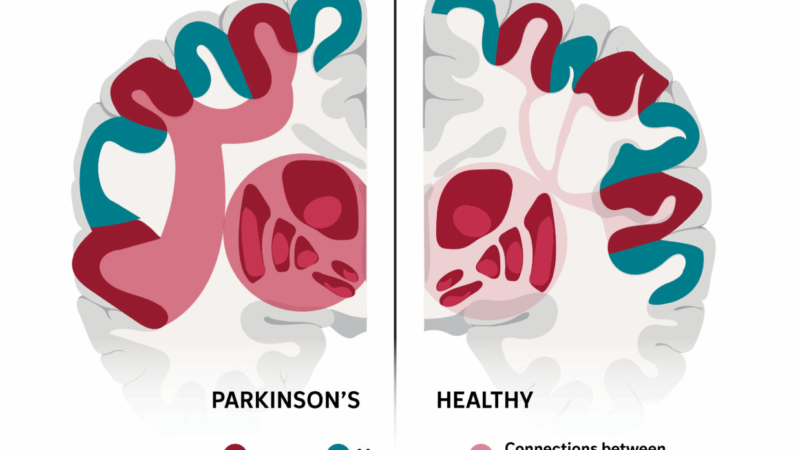
This complex brain network may explain many of Parkinson’s stranger symptoms
Parkinson's disease appears to disrupt a brain network involved in everything from movement to memory.

‘Please inform your friends’: The quest to make weather warnings universal
People in poor countries often get little or no warning about floods, storms and other deadly weather. Local efforts are changing that, and saving lives.

Immigration officials to testify before House as DHS funding deadline approaches
Congressional Democrats have a list of demands to reform Immigration and Customs Enforcement. But tensions between the two parties are high and the timeline is short – the stopgap bill funding DHS runs out Friday.

How the use of AI and ‘deepfakes’ play a role in the search for Nancy Guthrie
As artificial intelligence becomes more advanced and commonplace, it can be difficult to know what's real and what's not, which has complicated the search for Nancy Guthrie, according to law enforcement. But just how difficult is it?
