
Why short breaks to move around are crucial for your creative process

This piece also appeared in NPR’s Body Electric newsletter. Sign up for the newsletter so you don’t miss the next one.
Let’s talk about movement, not as exercise, but as a secret weapon for creative people.
On a memorable walk with bestselling author Kelly Corrigan, she told me how she’s become a master of getting unstuck: She’s found that simple, physical breaks — like walking, dancing, or just moving around — can reset her mood and focus.
So I wanted to share a few of her tricks, especially for anyone who writes, thinks or stares at a screen for a living (hi, me too)!
Feeling stuck? Hit play and dance it out
Kelly’s favorite fix for writer’s block: a three-minute dance break.
“I love music so much,” she told me. “It’s the cheapest way to change your mood.”
Forget toxic productivity. When the vibe turns sour, don’t power through — shake it off. Literally. Grab your phone, play a song you love, and move. You might be one verse away from your next great idea.
Get up while you’re catching up
Writing can feel like a sedentary sport, but Kelly tries to get upright whenever she can, especially during phone calls or research listening sessions.
Not every task allows for it, but many do. Scheduling a dentist appointment? Returning a call? Try doing it on foot.

Make your break…beautiful
When Kelly finishes a movement break, she’ll often take a minute to tidy her space, clear her desk, take out the recycling, wipe down a counter. It’s not about perfection. It’s about caring for the environment where her ideas take shape.
Work with your body — not against it
The biggest insight? Stop trying to be productive all day long. Kelly doesn’t schedule much for early afternoons — she knows that’s her low-energy time. “I don’t fight with myself anymore about how I work and what my periods of rest look like,” she said.
Most of us don’t have a writer’s flexibility, but we can get curious about our own rhythms and make micro-adjustments.
Think of these breaks as just part of the creative process.
This piece was written by Manoush Zomorodi and Fiona Geiran. It was edited by Sanaz Meshkinpour.
Click here to listen to my conversation with Kelly and definitely check out her show Tell Me More on PBS.
Listen to Body Electric on Apple Podcasts and Spotify.
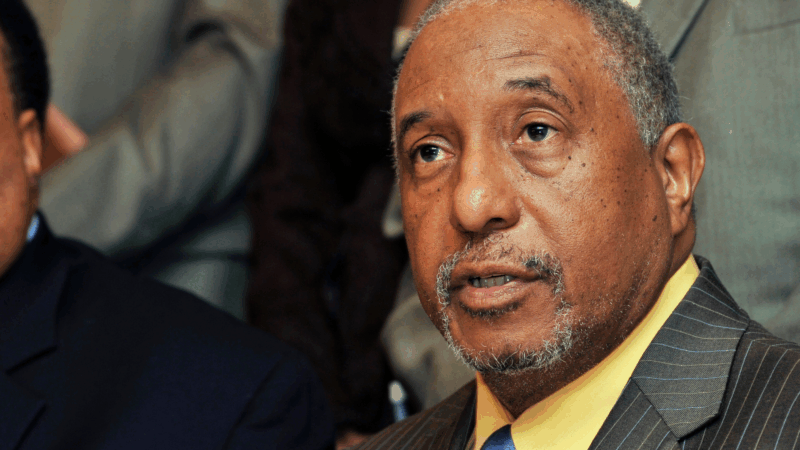
Bernard LaFayette, Selma voting rights organizer, dies at 85
Bernard LaFayette, who died Thursday, laid the foundations of the Selma, Alabama, campaign that culminated in the passage of the Voting Rights Act. He was a Freedom Rider and helped found the Student Nonviolent Coordinating Committee.
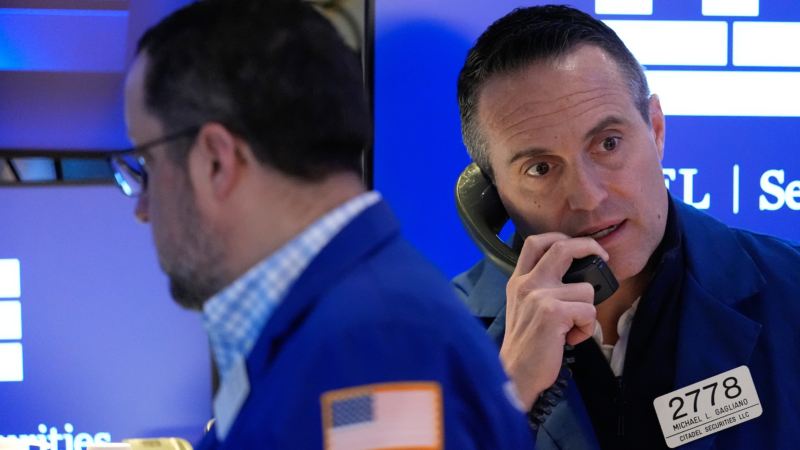
Oil surges to its highest price since 2023, and stocks drop after U.S. jobs report
Stocks fell Friday on worries that the economy could become stuck in a worst-case scenario of stagnating growth and high inflation. Oil prices touched their highest levels since 2023 after surging again because of the Iran war.

No lawsuits required: U.S. Customs is working on a system to refund tariffs
U.S. Customs told the trade court it aims for a streamlined process in 45 days to return importers' money without requiring individual lawsuits.
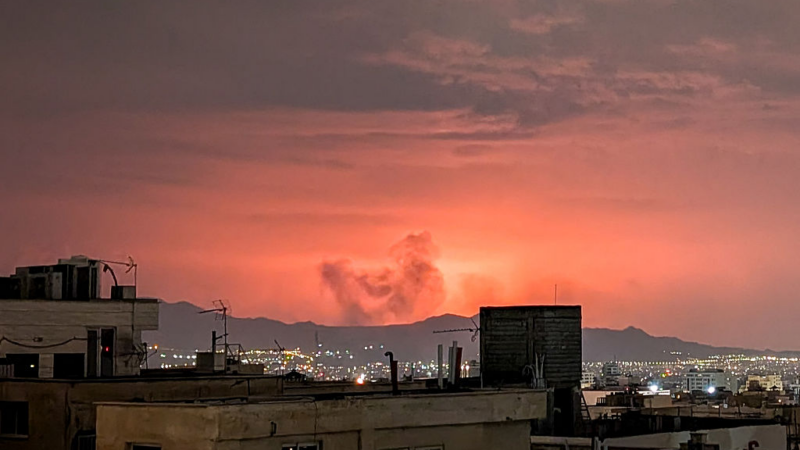
Poll: A majority of Americans opposes U.S. military action in Iran
Most Americans disapprove of President Trump's handling of Iran, and a majority sees Iran as either only a minor threat or no threat at all, an NPR/PBS News/Marist poll finds.
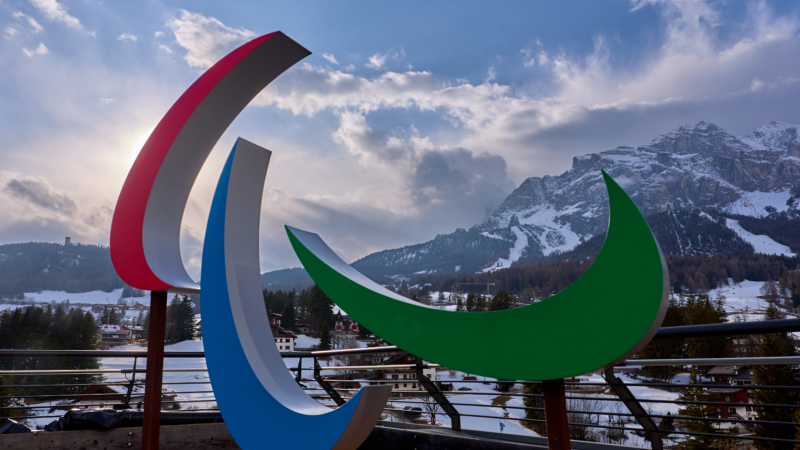
Your Winter Paralympics primer: What, who and how to watch
Hundreds of para athletes are competing in Italy through March 15. Many Americans are defending past titles, with the U.S. sled hockey team hoping to fend off rival Canada for its fifth straight gold.
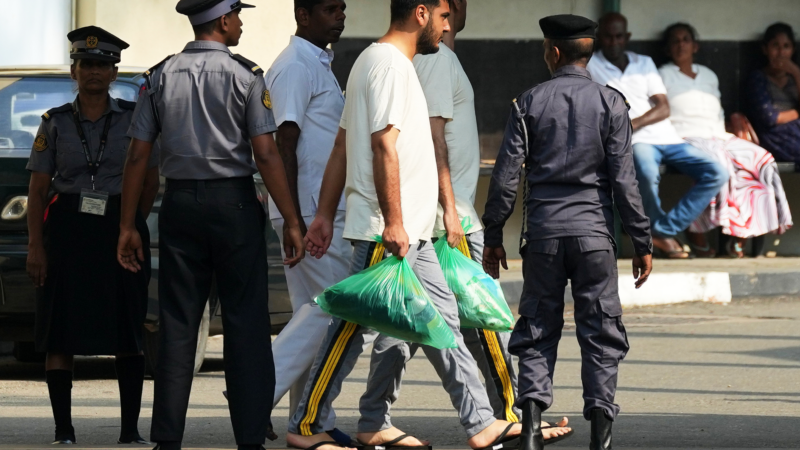
After the U.S. sinks an Iranian warship, Sri Lanka takes custody of an Iranian vessel
The move followed Wednesday's sinking of another Iranian warship by a U.S. submarine. Australia confirmed three Australians were on that submarine.
