
White House calls for a ‘comprehensive review’ of eight Smithsonian museums
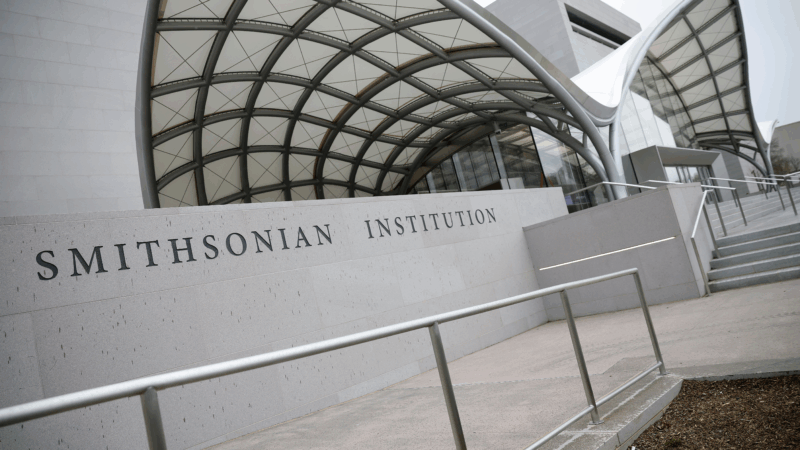
The Trump Administration sent a letter to The Smithsonian Institution on Tuesday requesting a “comprehensive internal review” of eight of its museums with the aim of bringing the organization in line with President Trump’s cultural directives ahead of the country’s 250th anniversary celebrations.
“This initiative aims to ensure alignment with the President’s directive to celebrate American exceptionalism, remove divisive or partisan narratives, and restore confidence in our shared cultural institutions,” states the letter, which was addressed to Smithsonian secretary Lonnie Bunch, signed by White House officials Lindsey Halligan, Vince Haley and Russell Vought, and reprinted on The White House’s website.
The White House said it plans to conduct the process in stages. Among the eight museums included in the first phase are the National Museum of American History, the National Museum of Natural History, the National Museum of African American History and Culture, the National Museum of the American Indian, the National Air and Space Museum, the Smithsonian American Art Museum, the National Portrait Gallery and the Hirshhorn Museum and Sculpture Garden.
The process will include an analysis of everything from exhibition texts and social media content to the curatorial process and exhibition planning.
The letter sets out a detailed list of materials the museums need to submit for White House appraisal, including grant-related documentation, inventories of permanent holdings and visitor surveys. It also lays out a timeline by which The Trump Administration expects parts of the review process to be completed, with specific 30, 75 and 120 day targets.
“Within 120 days, museums should begin implementing content corrections where necessary, replacing divisive or ideologically driven language with unifying, historically accurate, and constructive descriptions across placards, wall didactics, digital displays, and other public-facing materials,” the letter states.
At least one Smithsonian museum has already made moves to correct public-facing content. Earlier this month, its National Museum of American History removed references to Trump’s two first-term impeachments from an exhibit following a review.
The Smithsonian did not immediately respond to a request for comment.
But a statement it released in June said the institution is committed to ensuring that it remains “free from political or partisan influence,” and aims to “ensure unbiased content.”
“The Board of Regents will continue its vigilant, independent oversight of the Smithsonian and its museums to protect their rigorous scholarship and expertise, nonpartisanship, and accuracy, and ensure that the Smithsonian is welcoming to all Americans,” the statement said.
The Smithsonian has found itself embroiled in an ongoing “culture war” since Trump took office.
Trump’s March executive order “Restoring Truth and Sanity to American History” directly criticized The Smithsonian for coming “under the influence of a divisive, race-centered ideology” and for promoting “narratives that portray American and Western values as inherently harmful and oppressive.”
In May, Trump claimed he was firing Kim Sajet, the director of the Smithsonian’s National Portrait Gallery. She later resigned of her own accord.
In late July, artist Amy Sherald canceled an upcoming exhibition of her work at the Smithsonian’s National Portrait Gallery after a dispute over her painting of a transgender woman with pink hair and a blue gown, holding a torch, Statue of Liberty-style.
Despite the requests for piles of documentation and interview with Smithsonian museum staff, Tuesday’s letter states the museum review is intended to be a “constructive and collaborative effort” and that The White House will not “interfere with the day-to-day operations of curators or staff.” But some commentators say the government has no business interfering with museum processes and decisions.
“Museums cannot change content to suit a political whim or agenda,” said Lisa Strong, a professor of art history at Georgetown University. “The best way for museums to maintain the high public trust they already enjoy is by remaining independent. Museums are staffed by experts in their fields who interpret the collection to help educate the public about art, history, science and culture. Their content should not be reviewed, revised, or edited for political gain.”
The White House said assuming compliance, it anticipates completing its review process early in 2026.
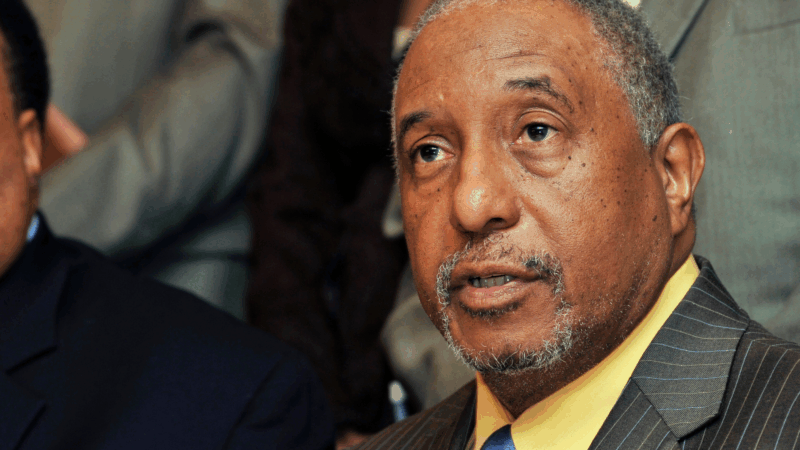
Bernard LaFayette, Selma voting rights organizer, dies at 85
Bernard LaFayette, who died Thursday, laid the foundations of the Selma, Alabama, campaign that culminated in the passage of the Voting Rights Act. He was a Freedom Rider and helped found the Student Nonviolent Coordinating Committee.
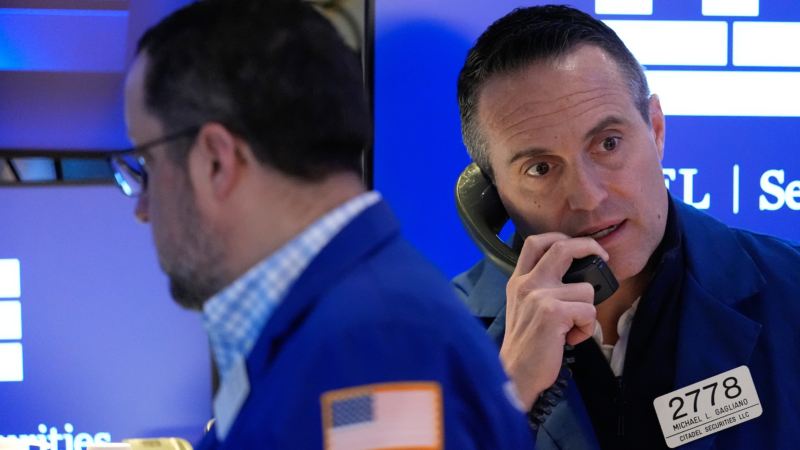
Oil surges to its highest price since 2023, and stocks drop after U.S. jobs report
Stocks fell Friday on worries that the economy could become stuck in a worst-case scenario of stagnating growth and high inflation. Oil prices touched their highest levels since 2023 after surging again because of the Iran war.
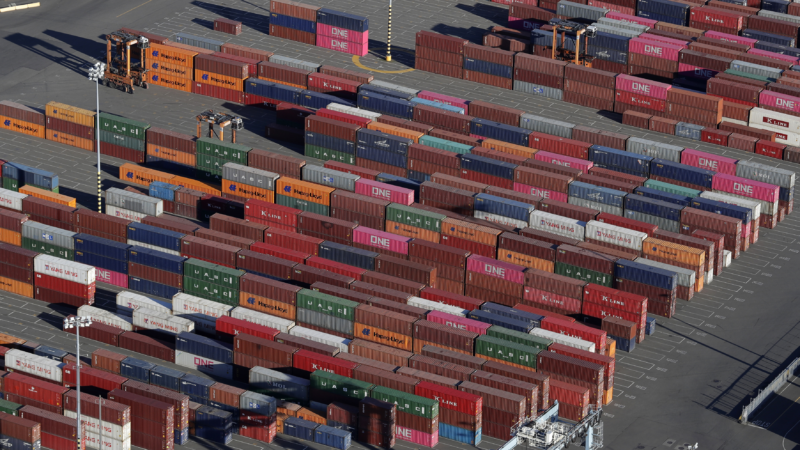
No lawsuits required: U.S. Customs is working on a system to refund tariffs
U.S. Customs told the trade court it aims for a streamlined process in 45 days to return importers' money without requiring individual lawsuits.
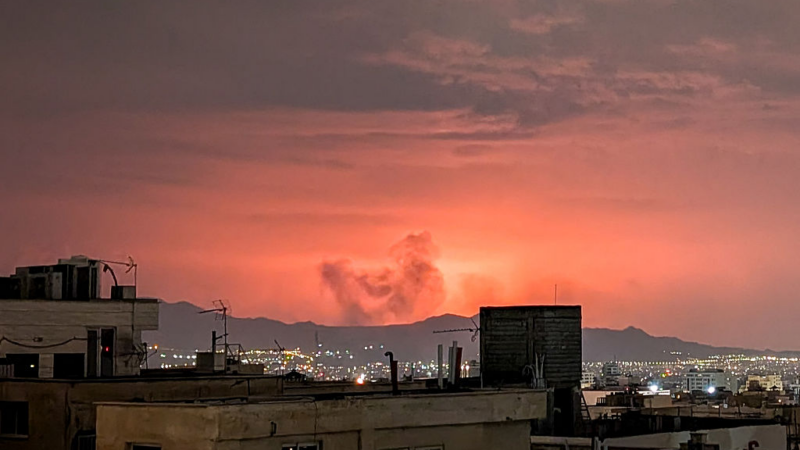
Poll: A majority of Americans opposes U.S. military action in Iran
Most Americans disapprove of President Trump's handling of Iran, and a majority sees Iran as either only a minor threat or no threat at all, an NPR/PBS News/Marist poll finds.
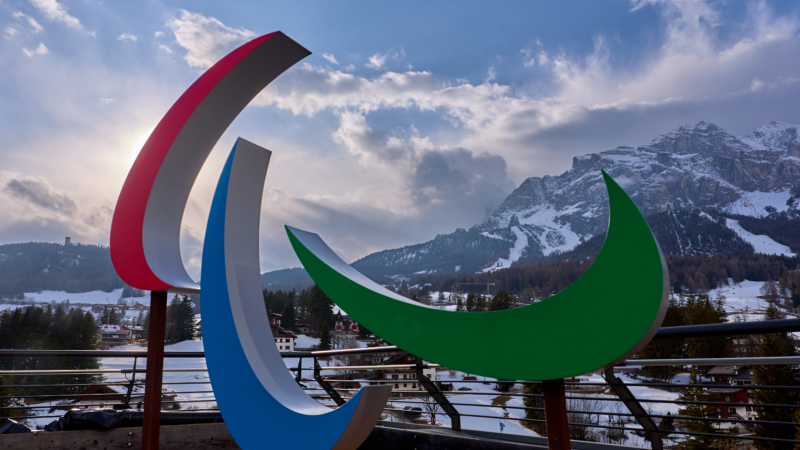
Your Winter Paralympics primer: What, who and how to watch
Hundreds of para athletes are competing in Italy through March 15. Many Americans are defending past titles, with the U.S. sled hockey team hoping to fend off rival Canada for its fifth straight gold.
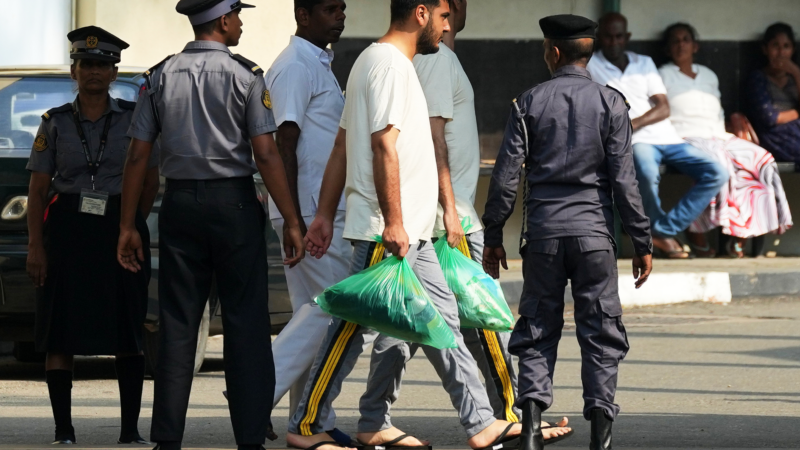
After the U.S. sinks an Iranian warship, Sri Lanka takes custody of an Iranian vessel
The move followed Wednesday's sinking of another Iranian warship by a U.S. submarine. Australia confirmed three Australians were on that submarine.
