
Unanimous Supreme Court sides with Catholic Charities in Wisconsin case
A unanimous Supreme Court ruled that Catholic Charities can opt out of participating in a state unemployment compensation program in Wisconsin.
The opinion by Justice Sonia Sotomayor reversed a state Supreme Court decision.
“It is fundamental to our constitutional order that the government maintain ‘neutrality between religion and religion,'” Justice Sonia Sotomayor, one of the court’s three liberals, wrote in her opinion for the court. “There may be hard calls to make in policing that rule, but this is not one. When the government distinguishes among religions based on theological differences in their provision of services, it imposes a denominational preference that must satisfy the highest level of judicial scrutiny.”
The opinion could potentially lead to a major exodus from the state system in Wisconsin and from similar programs in 46 other states. That, in turn, could destabilize the joint federal-state unemployment compensation program that has existed for decades.
The case was brought by a single chapter of Catholic Charities in northern Wisconsin, which claimed that it should be able to opt out of the mandatory state unemployment compensation system and instead join an alternative church system, which is cheaper.
The state, however, refused to grant Catholic Charities a religious exemption from paying into the state system. The state said that Catholic Charities functions the same way as other non-profits, including Catholic hospitals, and is required to participate in the state unemployment tax system, as it has done for decades.
Catholic Charities countered that its mission is to carry out the gospel of the church to help people, and that it is thus entitled to a religious exemption from the mandatory state tax system.
Ultimately, the court agreed with the group.
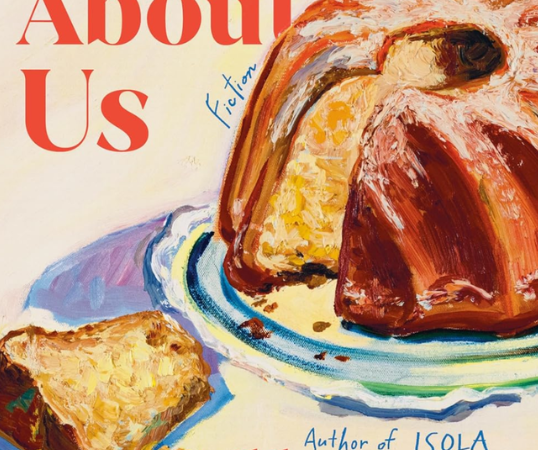
This novel about family drama is so good you may want to re-read it immediately
Allegra Goodman's new novel is called This Is Not About Us, but critic Maureen Corrigan says that title is coy: Readers are bound to see aspects of themselves and their families in these pages.
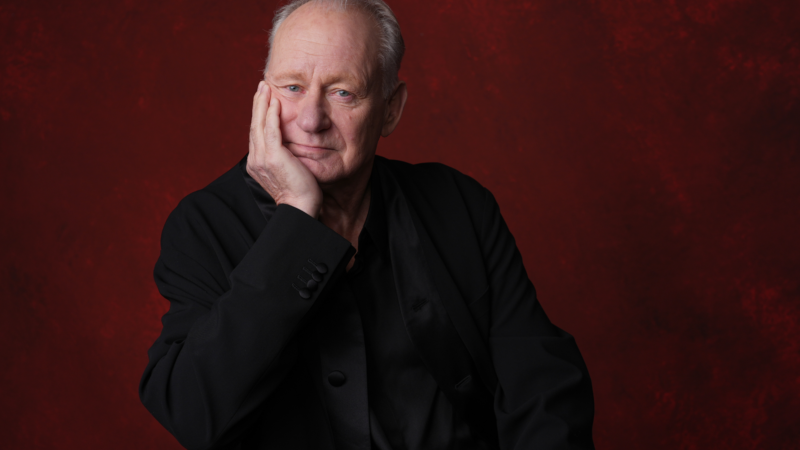
Actor Stellan Skarsgård doesn’t believe in bad guys
Skarsgård plays a filmmaker struggling to connect with his two grown daughters in Sentimental Value. As the father of eight, the Swedish actor says he understands the tension his character faces.
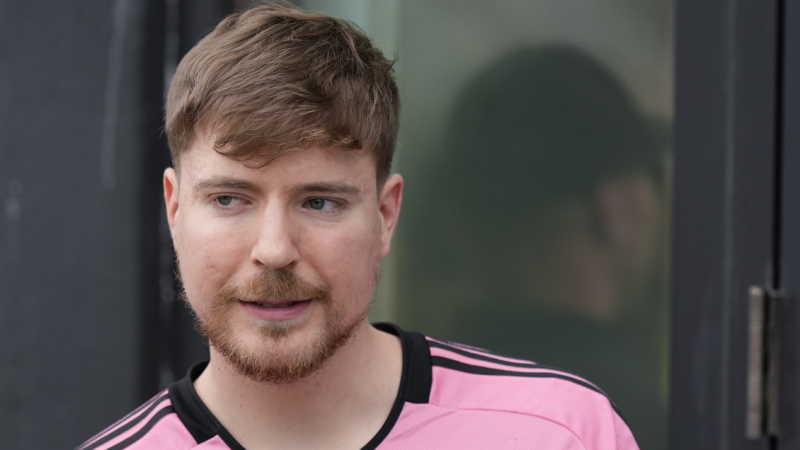
Kalshi reveals insider trading case against editor for MrBeast
With prediction markets booming, so have concerns about insider trading. Now, Kalshi has disclosed its first public actions against accounts suspected of trading on confidential information.

Greetings from Jordan’s Wadi Rum desert, where patches of green emerge after winter rains
Wadi Rum's otherworldly landscape is where Star Wars movies and The Martian were filmed. In late winter, plants emerge in this desert — but some are toxic to camels, so their herders must protect them.
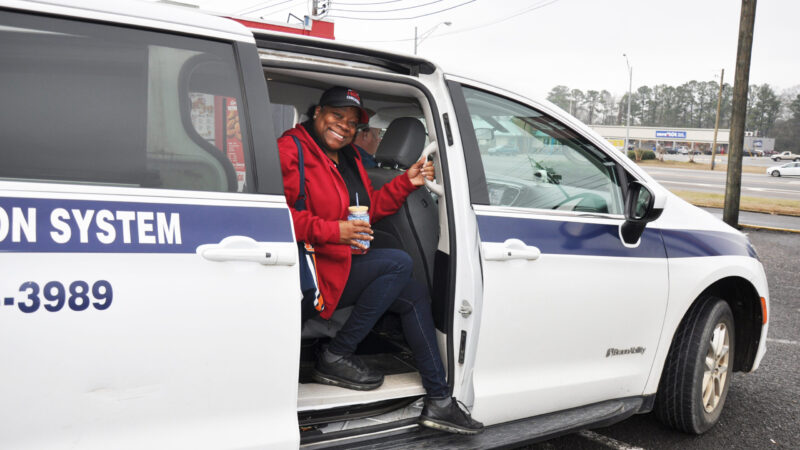
Lack of transportation keeps many Alabamians from working. Rural public transit programs are trying to help
While lack of transportation is a major employment barrier in Alabama, few people take public transit to work. That dynamic is even more pronounced in rural areas.
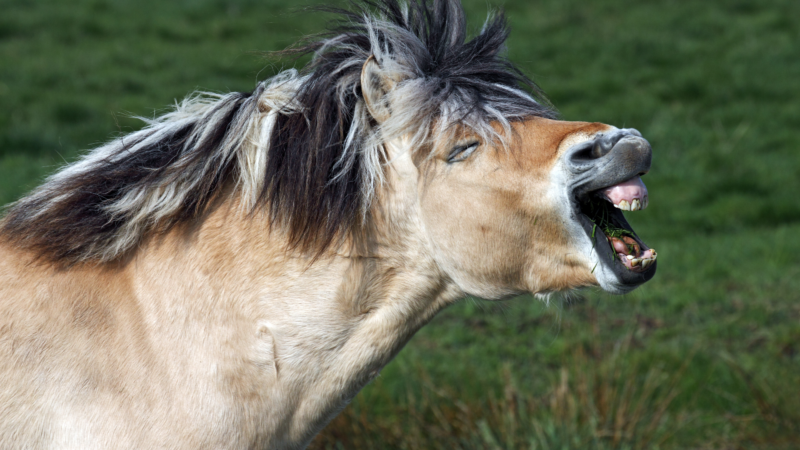
When a horse whinnies, there’s more than meets the ear
A new study finds that horse whinnies are made of both a high and a low frequency, generated by different parts of the vocal tract. The two-tone sound may help horses convey more complex information.
