
Uganda goes to the polls amid heavy security and internet blackout
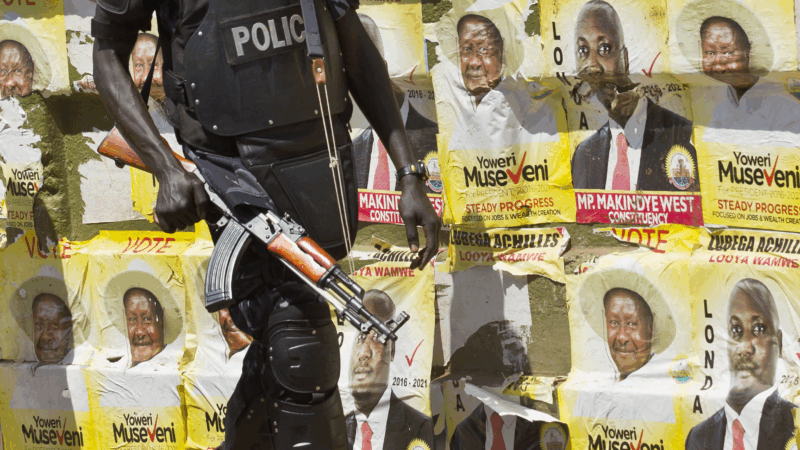
LAGOS, Nigeria — Millions of Ugandans are voting Thursday in a tense presidential election as 81-year-old President Yoweri Museveni seeks to extend his four-decade grip on power.
Museveni, one of Africa’s longest-serving leaders, faces a familiar challenger: 43-year-old pop star-turned-politician Robert Kyagulanyi, more widely known as Bobi Wine. This is a rematch of the 2021 election, when Museveni was declared the winner amid widespread allegations of fraud.
Five other candidates are also running in this year’s election, with 21.6 million registered voters expected to cast ballots.
Heavy security and rising tension
The vote is taking place under an internet blackout and a heavy military presence. Hundreds of activists have been detained, and journalists and human rights groups face restrictions, measures the government calls necessary for security.
On Tuesday, the Uganda Communications Commission told mobile operators and internet service providers that the blackout was imposed on the “strong recommendations” of security agencies.
“This temporary suspension is a precautionary intervention to ensure peace, protect national stability and prevent the misuse of communication platforms during a sensitive national exercise,” the commission said in a letter.
An entrenched leader
For the seventh election in a row, Museveni’s campaign has filled the streets of the capital, Kampala. At one of the final rallies before the vote, a marching band led thousands of supporters. Many wore yellow T-shirts and caps emblazoned with the insignia of the ruling National Resistance Movement — and images of the octogenarian president.

Addressing the crowd in his final rally on Tuesday, Museveni cut a weathered figure, listing achievements in infrastructure and security. After nearly 40 years in power, he argued that only his continued rule could preserve them.
But in 1986, the year he came to power, Museveni made a different case. He wrote that “the problem of Africa in general, and Uganda in particular, is not the people but leaders who want to overstay in power.”
Four decades on, those words echo back at him as Uganda — as well as a growing number of countries across the continent — grapples with the same challenge.
The country has never experienced a peaceful transfer of power between elected leaders since gaining independence, making these elections especially consequential.
A youthful electorate
Uganda has one of the youngest populations in the world. An overwhelming majority of its 50 million people are under age 40 and have only ever known one president.
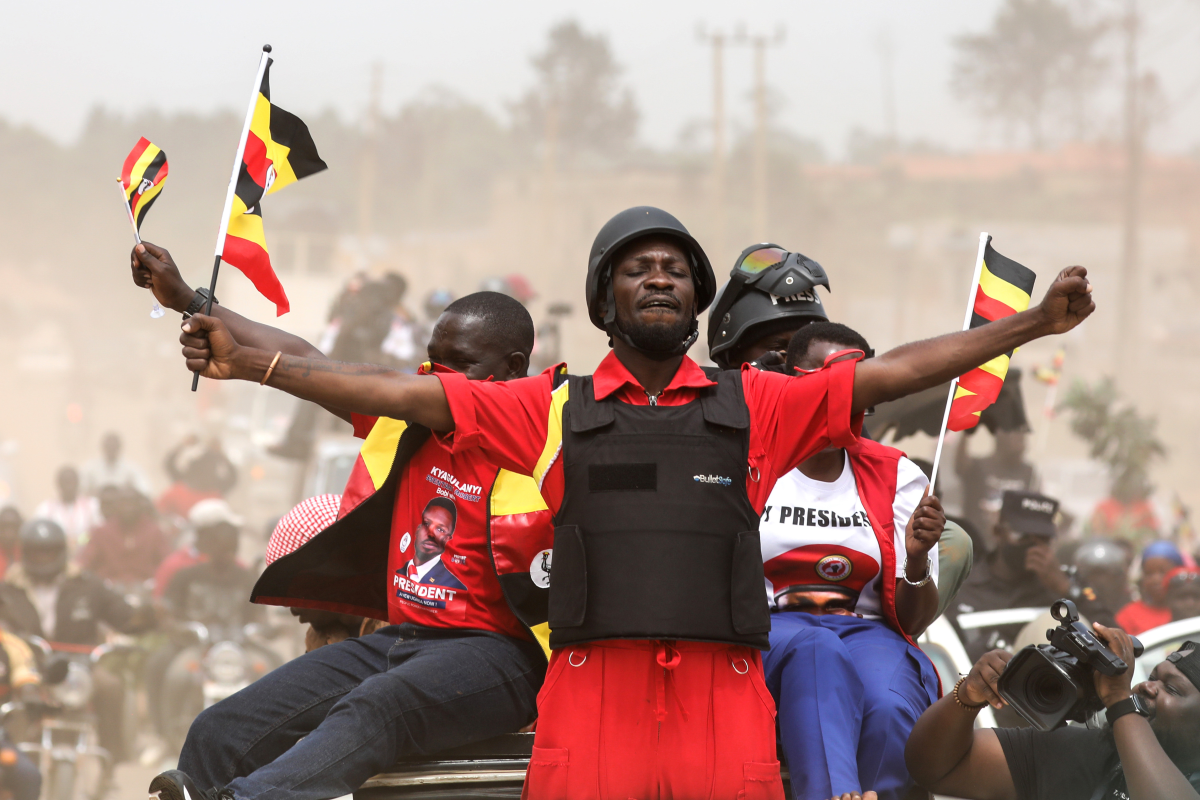
Frustration among younger Ugandans has fueled support for Bobi Wine, leader of the National Unity Platform. The musician-turned-politician has drawn large crowds, particularly among urban youth, campaigning on promises to ease economic hardship and end what he calls “family rule.”
Museveni’s son, Muhoozi Kainerugaba, the country’s top military commander, is widely seen as his father’s heir. Known for his erratic social media activity, he has frequently posted about his assumption that he will assume power.
“It’s like the government is at war with its people”
Uganda is a significant geopolitical actor in East Africa, with troops deployed across the continent. The election comes amid regional instability: Tanzania experienced violent protests during its October elections, and Kenya has seen deadly anti-government demonstrations in recent years. In Uganda too, as in 2021 — when violence and protests erupted around the vote — many fear this election could unleash similar unrest.
For Western governments, Museveni remains strategically valuable. He has deployed troops to regional trouble spots and recently agreed to accept U.S. deportees, earning favor with the Trump administration despite long-standing concerns over his human rights record.
Even if Wine were to win enough votes, many observers say he would face formidable obstacles to taking power.
Police have repeatedly used tear gas to break up his rallies, and several of his supporters have been arrested. Wine himself often campaigns wearing a flak jacket and helmet, a stark reminder of the risks he faces. He has been detained and beaten multiple times and was shot in the leg by police two years ago.
“It’s like the government is at war with its people,” said Miria Matembe, a lawyer and former opposition politician.
Matembe says that opposition groups had been blocked from campaigning and organizing freely and that voters had even been barred from staying behind to monitor the count after casting their ballots.
But she adds that, whatever the official outcome, for many frustrated with the government, the vote remains a rare opportunity to speak out.
Halima Athumani and Emmanuel Igunza contributed reporting from Uganda.
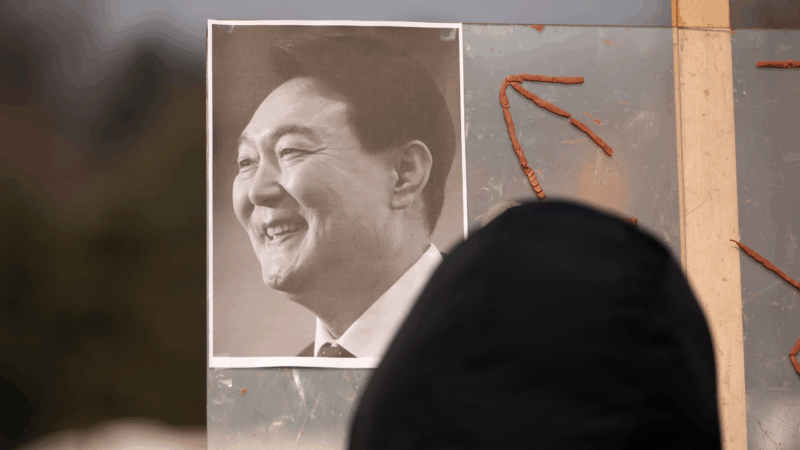
A South Korean court sentences Yoon to 5 years in prison on charges related to martial law decree
A South Korean court has sentenced former President Yoon Suk Yeol to five years in prison, the first verdict in eight criminal trials for allegations that include his 2024 martial law decree.
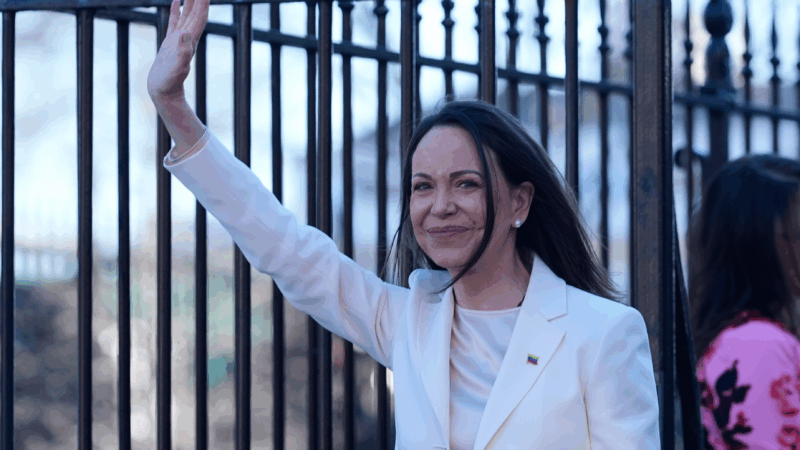
Venezuela’s Machado says she presented her Nobel Peace Prize to Trump during their meeting
Venezuelan opposition leader María Corina Machado said she presented her Nobel Peace Prize medal to President Donald Trump at the White House on Thursday even as he has questioned her credibility to take over her country after the U.S. ousted then-President Nicolás Maduro.

A federal judge dismisses the DOJ’s effort to get voter data from California
The Trump administration has been dealt its first legal setback in its unprecedented effort to consolidate voter data traditionally held by states.
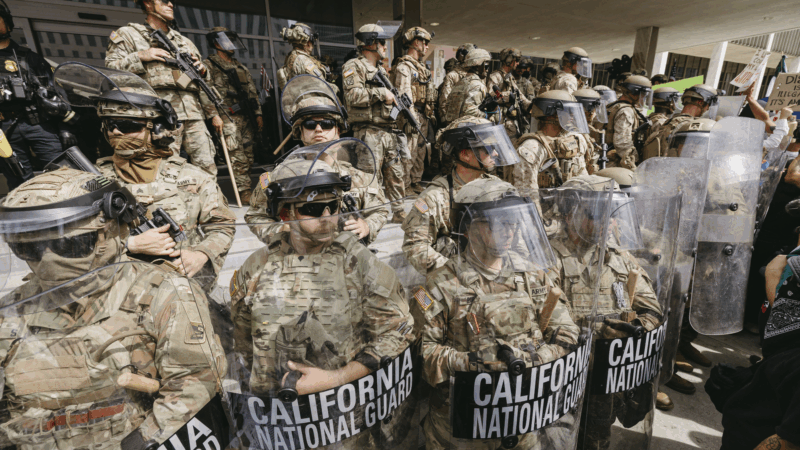
Behind the front lines of the legal battle against Trump’s National Guard deployments
As President Trump began a pattern of deploying the National Guard to democratic-led cities, several Democratic attorneys general and their staffs worked to coordinate their fight against the deployments – and, ultimately, they won.
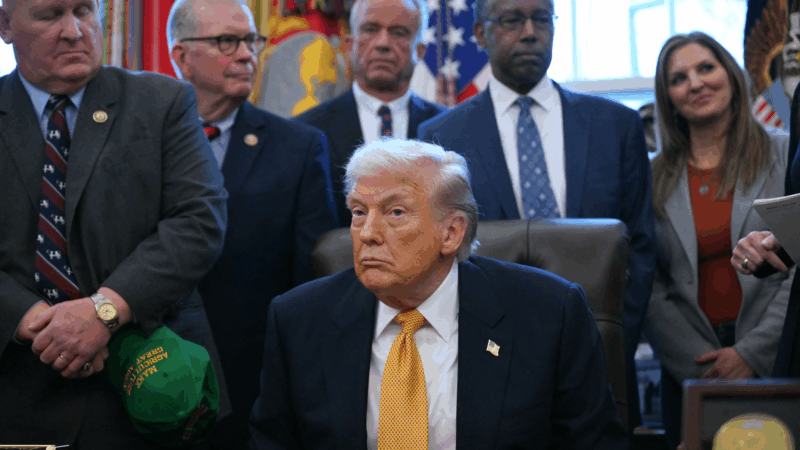
Trump health care plan doesn’t help people facing skyrocketing ACA premiums
President Trump announced a plan that addresses drug costs and health savings accounts, but not the health insurance premium spikes millions of Americans are facing.

Verizon just had a big outage. Here’s what we know
Verizon says a software problem caused the glitch and they are conducting a postmortem, but experts say outages are "a fact of life" these days.
