
U.S. Islamic leaders urge Muslim-majority nations to take action to end Gaza conflict

More than 90 Muslim scholars, imams, community leaders and institutions in the United States have issued a joint statement calling on Muslim-majority countries to take “immediate and concrete action” to end what they described as an escalating genocide in Gaza by Israeli forces.
The signatories called on Muslim nations — particularly Arab states — to leverage their political and economic influence, including through measures such as severing ties with Israel, imposing oil and gas embargoes and opening border crossings for humanitarian aid.
“Business as usual in international affairs is simply not working,” the statement read. “We believe that the governments of the Muslim-majority nations of the world should not wait for the ‘international community’ to grow a conscience.”
Among the signatories to the letter are the Council on American-Islamic Relations, the Muslim Alliance in North America, the Islamic Society of North America and the U.S. Council of Muslim Organizations.
Israel has denied accusations of genocide to characterize its military actions in Gaza following the Oct. 7, 2023 attack by Hamas that killed nearly 1,200 people. Hamas also took hostage more than 250 Israeli civilians and military personnel during the operation. Since then, Israeli airstrikes and attacks have killed at least 61,000 Palestinians, a third of them children, according to Gaza’s Health Ministry.
Muslim leaders ask Muslim nations to take 5 steps
The joint statement suggested five specific actions for Muslim-majority countries to consider, including cutting economic, diplomatic, intelligence and military ties with Israel, including the agreement known as the Abraham Accords brokered during the first Trump Administration.
It also called for nations to block the use of their airspace and military facilities in support of Israeli operations, and to open land crossings such as Rafah to allow aid convoys, medics, journalists and demonstrators to enter Gaza.
The signers also urged governments to lead diplomatic convoys to Gaza crossings and personally demand Israel allow the unrestricted flow of aid.
The growing humanitarian crisis in the worn-torn enclave has brought condemnation by various governments around the world and has raised concerns among Jewish leaders in the U.S.
While the statement from Muslim leaders emphasized that the crisis should concern all people, it noted the situation holds particular significance for the global Muslim community, or ummah, given what it called Israel’s “openly racist, anti-Muslim” policies.
The letter comes as Israel announced Friday plans for its military to expand the war in Gaza and take control of Gaza City, one of the few areas in the enclave not already under Israel’s control.
In response to Israel’s intended expansion of the war, Reform Jewish leaders in the U.S. issued their own statement, calling on Israel to “choose life for our hostages, our soldiers, and innocent civilians in Gaza by ending — not extending — this war.”
“We are deeply distressed that Israel’s security cabinet approved Prime Minister Netanyahu’s plan to extend Israeli control over the Gaza Strip,” the president and board chair of the Union for Reform Judaism, the largest branch of Judaism in the U.S., said in the statement.

‘War of the Worlds’ remake sinks to the bottom at this year’s Razzie Awards
The surveillance industry version of HG Wells' 1898 classic sci-fi novel stars Ice Cube, and won accolades for worst picture, actor, director and more.

Russian strike on Kyiv region kills 4 and wounds 15, with peace talks stalled
The strikes comes after the United States paused ceasefire talks between Russia and Ukraine due to the war with Iran.
As the risk of measles grows, why are parents so divided on vaccines?
In South Carolina, some parents embrace vaccines, others opt out. Why do people make such different choices? A mix of politics, distrust and misinformation is pushing neighbors apart.

Brazil’s ex-President Bolsonaro is in intensive care with pneumonia, hospital says
One of Bolsonaro's doctor's described the former Brazilian president's medical condition as "serious."

Opinion: An ancient, sophisticated palate
Researchers looking at foodcrusts on the pottery shards of ancient humans say there's evidence of a wide variety of ingredients, indicating that they may have been experimenting with "recipes."
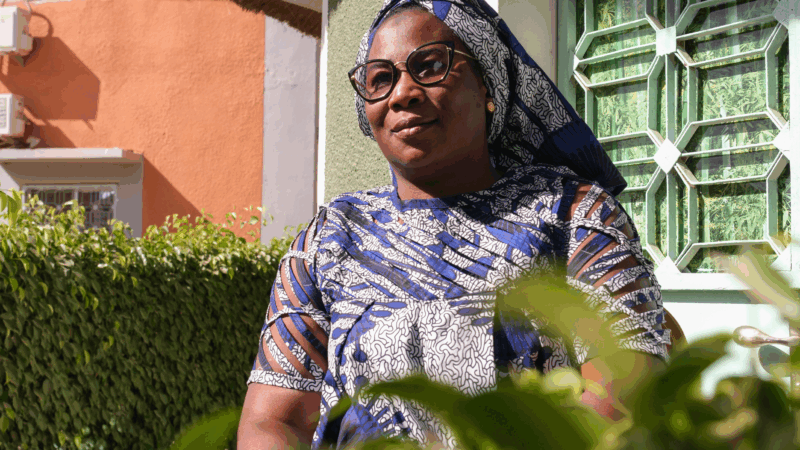
Why women have an especially tough time in Senegal’s prisons
Women charged with a crime in Senegal are at the mercy of a slow judicial process and prisons that may lack basic supplies. They also face stigma that robs them of familial and community support.
