
Trump gives Hamas a ‘last chance’ deadline to agree to a peace plan with Israel
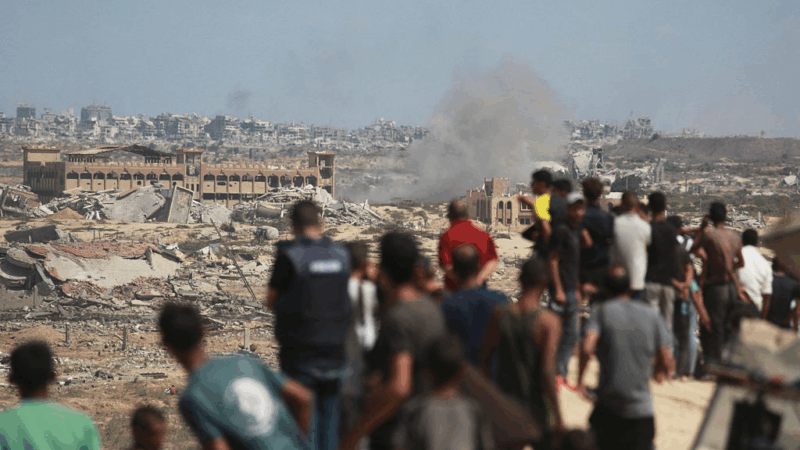
President Trump has given Hamas until Sunday evening to respond to the ceasefire deal the White House proposed earlier this week, which Israel has agreed to.
In a post to Truth Social on Friday morning, Trump said he was giving Hamas a “last chance,” or Hamas fighters would be “quickly extinguished.” The deadline comes just days before the second anniversary of the conflict.
“If this LAST CHANCE agreement is not reached, all HELL, like no one has ever seen before, will break out against Hamas,” Trump wrote on Truth Social.
The White House released its 20-point plan on Monday as Israeli Prime Minister Benjamin Netanyahu visited Trump. The plan would immediately end Israel’s war in Gaza, provide more aid to Gaza and require that Hamas release the remaining Israeli hostages.
In response to the plan, a Hamas source said they were looking for clarification and specifics on a timetable for when Israel would withdraw from Gaza.
“We reject the ‘take or leave it approach,'” a Hamas official said Friday. “Our people who have been sacrificing much for two years can not have this end of their basic rights given up.”
In his post Friday morning, Trump asked Palestinians in Gaza to move to safer parts of the territory to avoid attacks on Hamas if they don’t agree to the deal, but he did not specify where in the strip he meant.
White House press secretary Karoline Leavitt reiterated the president’s position in the briefing room later in the day.
“I think the entire world should hear the president of the United States loud and clear,” she told reporters. “Hamas has an opportunity to accept this plan and to move forward in a peaceful and prosperous manner in the region, and if they don’t, the consequences, unfortunately are going to be very tragic.”
Earlier this week, Israel ordered Palestinians in Gaza to leave Gaza City and move south. Those who stay, the defense ministry said, would be considered a militant or “supporter of terror.”
The United Nations agency coordinating humanitarian efforts in the region said this week it had “received reports of intense strikes in recent days in parts of Deir al Balah, one of the places where people have been told to move. Tents, houses and even a crowded market have been hit, with the UN Human Rights Office reporting that many of those killed appear to be civilians.”
The U.N. said that displacement sites in Deir al Balah and Khan Younis are currently hosting more than half a million people. On Friday it called the peace plan a “window of opportunity” for aid to come back in and for hostages to be released.

Pregnant women in ERs took less Tylenol after Trump autism warning
A study in The Lancet finds that pregnant women in emergency rooms used less Tylenol after President Trump said it could raise their babies' risk of autism. Scientists say there is no proven link.

Mixed reactions, including relief, greet news the Coast Guard is buying BSC campus
The U.S. Coast Guard will take possession of the 192-acre campus in the northeast corner of Birmingham’s Bush Hills Neighborhood and will begin work to refit it as a training center for officers and enlisted personnel.

What you need to know about Sen. Markwayne Mullin, Trump’s new pick to lead DHS
President Trump announced Thursday that Sen. Markwayne Mullin, R-Okla., is his pick to replace Kristi Noem as the head of the Department of Homeland Security.

Travel industry pushes Congress to end DHS shutdown and pay federal security workers
With the busy spring break travel season looming, travel and aviation industry leaders urged Congress to end the stalemate over DHS funding before workers at TSA and ports miss a full paycheck.

Trump fires Kristi Noem as DHS chief, names Sen. Markwayne Mullin to replace her
President Trump has fired his homeland security secretary, Kristi Noem, and said Markwayne Mullin, a senator from Oklahoma, would replace her.
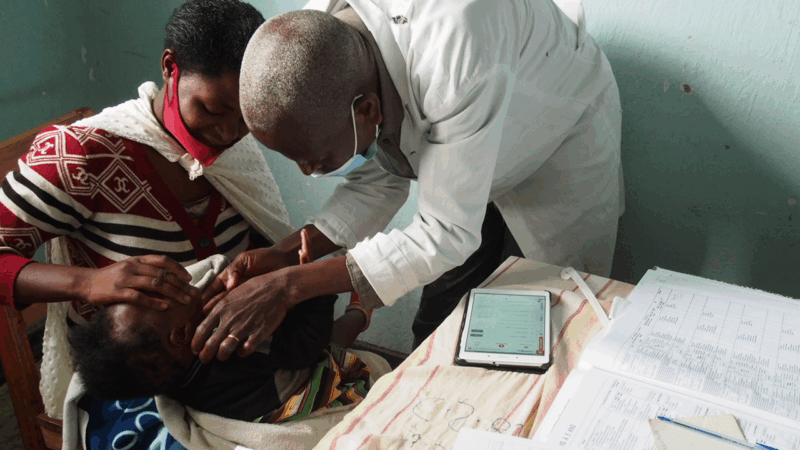
Can a digital tablet cut back a country’s overuse of antibiotics?
Overprescribing antibiotics breeds antibiotic resistance. A new tool aims to lower a notably high rate of such prescriptions in Rwanda.
