
Trump expands ‘woke’ criticism from Smithsonian to other museums
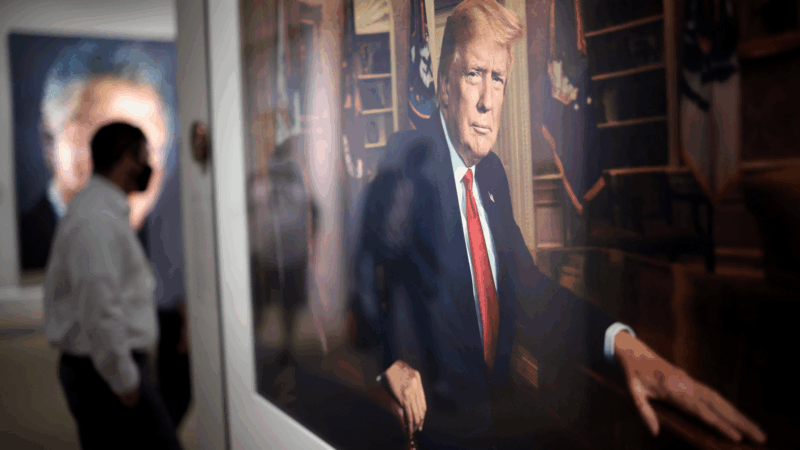
President Trump expanded his criticism of the Smithsonian Institution to include other museums in a long social media post on Tuesday.
“The Museums throughout Washington, but all over the Country are, essentially, the last remaining segment of “WOKE,” he wrote.
The post emphasized his ongoing displeasure with the Smithsonian, describing it as “OUT OF CONTROL” and suggesting that museums around the country may face similar scrutiny.
“President Trump will explore all options and avenues to get the Woke out of the Smithsonian and hold them accountable,” the White House said in a statement to NPR. “He will start with the Smithsonian and then go from there.”
In an Aug. 12 letter to Smithsonian Secretary Lonnie Bunch, White House representatives said they plan to conduct an audit of eight Smithsonian museums “to ensure alignment with the President’s directive to celebrate American exceptionalism, remove divisive or partisan narratives, and restore confidence in our shared cultural institutions.”
Trump’s post on Truth Social accused the Smithsonian of presenting a narrative of “how horrible our Country is, how bad Slavery was, and how unaccomplished the downtrodden have been — Nothing about Success, nothing about Brightness, nothing about the Future. We are not going to allow this to happen, and I have instructed my attorneys to go through the Museums, and start the exact same process that has been done with Colleges and Universities where tremendous progress has been made. This Country cannot be WOKE, because WOKE IS BROKE. We have the “HOTTEST” Country in the World, and we want people to talk about it, including in our Museums.”
A number of museum and historical associations, including the Organization of American Historians and the American Association for State and Local History have pushed back against what the American Alliance of Museums described as “growing threats of censorship against US museums.”
“This is not just a concern for select institutions,” the AAM said in an Aug. 15 statement. “These pressures can create a chilling effect across the entire museum sector. Freedom of thought and expression are foundational American values, and museums uphold them by creating spaces where people can engage with history, science, art, and culture in ways that are honest, fact-based, and thought-provoking.”
The White House did not respond to a request for comment about whether governmental review of museums could have a chilling effect on the institutions by threatening their free speech rights and limiting their ability to openly and honestly engage with the public.
Jennifer Vanasco edited this story.
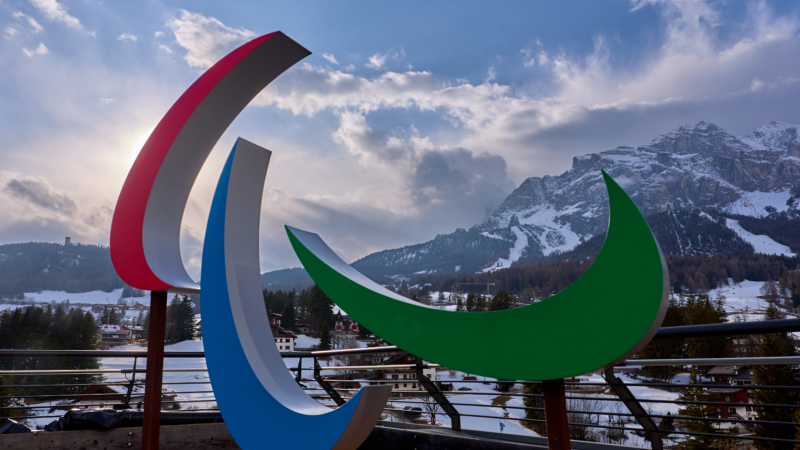
Your Winter Paralympics primer: What, who and how to watch
Hundreds of para athletes are competing in Italy through March 15. Many Americans are defending past titles, with the U.S. sled hockey team hoping to fend off rival Canada for its fifth straight gold.
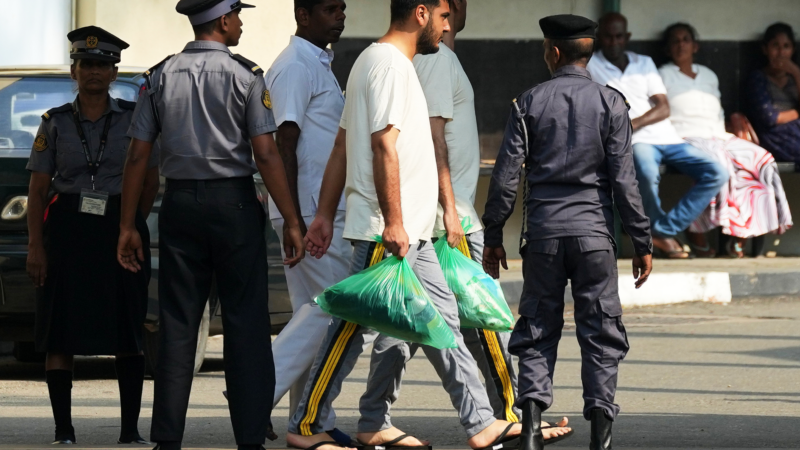
After the U.S. sinks an Iranian warship, Sri Lanka takes custody of an Iranian vessel
The move followed Wednesday's sinking of another Iranian warship by a U.S. submarine. Australia confirmed three Australians were on that submarine.
Olympian Alysa Liu has also inspired fans off the ice — in the hair salon
The gold medal-winning figure skater came to the Milano Cortina winter games with a distinctive "raccoon" hairstyle — alternating rings of dark and light hair. Now, fans are following her lead.

‘Dopamine Kids’ explains why children crave screens and helps them enjoy life instead
A mom and science writer offers an operating manual for parents grappling with kids' screen use and cravings for sweets.
From guns to ballots: FARC’s campaign for votes in Colombia
Ten years after Colombia's peace deal, former FARC commander on the election campaign trail is discovering that winning ballots can be tougher than waging war.
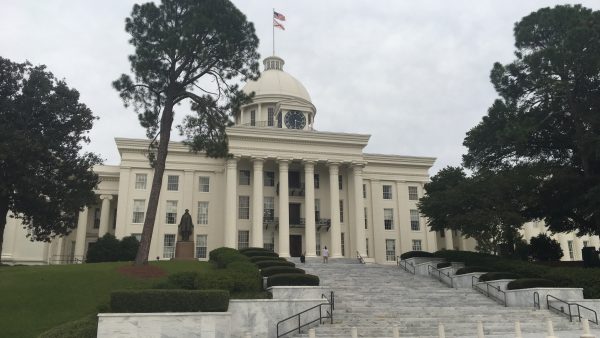
Bill to force formal utility rate hearings for the first time in more than 40 years delayed
Alabama's Public Service Commission hasn't held a formal rate hearing for utilities since 1981. A bill that would force the commission to hold such hearings is under consideration in the state legislature, although the measure was delayed in a House committee this week. We get more details on our weekly legislative update with Todd Stacy, host of Capitol Journal on Alabama Public Television.
