
Trump administration shuts down EPA’s scientific research arm

The Environmental Protection Agency is planning to shutter the agency’s scientific research arm that provides expertise for environmental policies and regulations, as part of the Trump administration’s continuing downsizing of the federal government.
The agency is closing the Office of Research and Development, which analyzes dangers posed by a variety of hazards, including toxic chemicals, climate change, smog, wildfires, indoor air contaminants, water pollution, watershed destruction and drinking water pollutants. The office also manages grant programs that fund universities and private companies.
“Under President Trump’s leadership, EPA has taken a close look at our operations to ensure the agency is better equipped than ever to deliver on our core mission of protecting human health and the environment while powering the great American comeback,” said EPA Administrator Lee Zeldin in a statement announcing the plan Friday. “This reduction in force will ensure we can better fulfill that mission while being responsible stewards of your hard-earned tax dollars.”
The cut, part of a plan to cut 23% of the EPA’s staff, will save $748.8 million, according to the agency. It said the EPA would at the same time add “laboratory functions and hundreds of scientific, technical, bioinformatic, and information technology experts to EPA’s air, water, and chemical offices on top of the thousands of scientists and engineers employed by EPA within those program offices.”
In addition, the agency is moving ahead with a plan to create a new “Office of Applied Science and Environmental Solutions,” the EPA says. That new office “will allow EPA to prioritize research and science more than ever before and put it at the forefront of rulemakings and technical assistance to states,” according to the agency.
The EPA said in a statement to NPR that some employees were being reassigned and that no employees have been laid off yet, but ‘that is the next step in the process.'”
Democratic Rep. Zoe Lofgren of California, the ranking member on the House Science, Space, and Technology Committee, condemned the cuts.
“Administrator Zeldin has finally confirmed what he has denied for months and months — the destruction of the Office of Research and Development,” she said in a statement. “The Trump Administration is firing hardworking scientists while employing political appointees whose job it is to lie incessantly to Congress and to the American people. The obliteration of ORD will have generational impacts on Americans’ health and safety. This is a travesty.”
Kyla Bennett, director of science policy for the nonprofit Public Employees for Environmental Responsibility (PEER), said eliminating the ORD “will not only cripple EPA’s ability to do its own research, but also to apply the research of other scientists. This [reduction in force], together with the slashing of travel and training budgets, will leave EPA flying blind and unable to use the best available science. These short-sighted cuts will ultimately affect every American, and it is despicable.”
The American Chemistry Council, which represents chemical manufacturers, said the organization “supports EPA evaluating its resources to ensure American taxpayer dollars are being used efficiently and effectively to meet the Agency’s statutory requirements. If necessary, that includes shifting resources from certain offices.”
In January, the agency had 16,155 employees, but has reduced that number to 12,448, the EPA says. The agency has also eliminated the EPA’s Environmental Justice and Diversity, Equity, and Inclusion arms among other cuts.
What the Trump administration says about why it went to war with Iran
The Trump administration says it is "laser focused" and mission driven, but the messaging has been varied. The range of cited motivations for striking Iran now are sometimes at odds with each other.
Trump looks to turn attention to Western Hemisphere at Americas summit
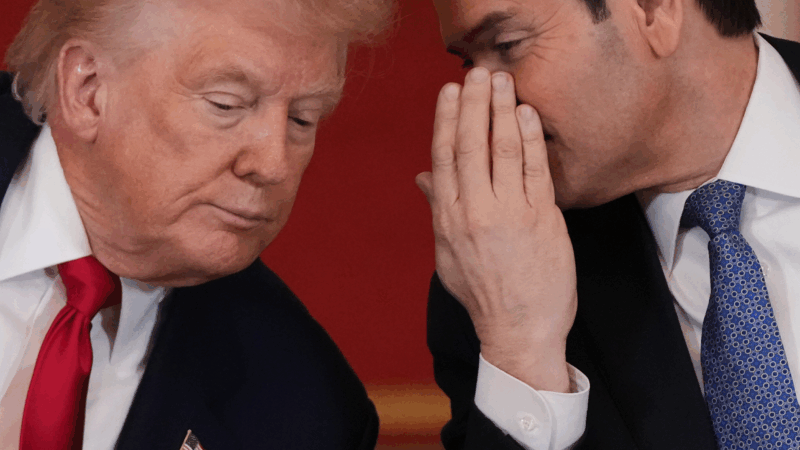
President Trump is set to gather with Latin American leaders on Saturday at his Miami-area golf club as his administration looks to turn attention to the Western Hemisphere, at least for a moment.
Trump administration’s embattled FDA vaccine chief is leaving for the second time
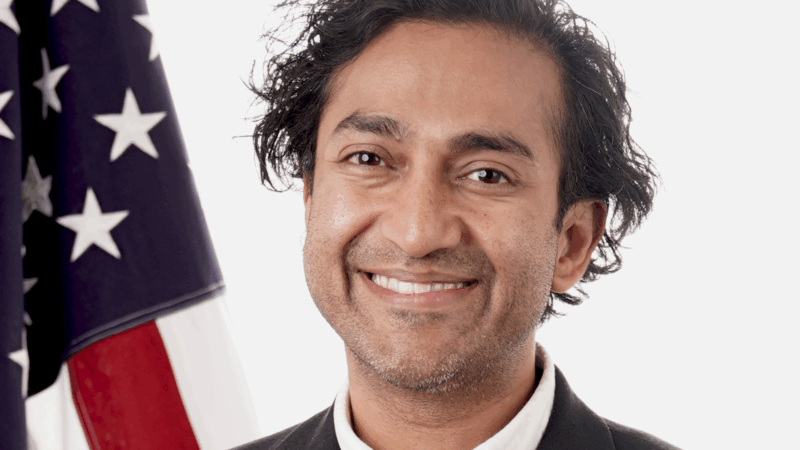
The FDA's controversial vaccine chief, Dr. Vinay Prasad, is leaving the agency. It's the second time he has abruptly departed following decisions involving the review of vaccinations and specialty drugs.

Family, former presidents and a Hall of Famer give Rev. Jesse Jackson a final sendoff
Several speakers at Jackson's funeral invoked his hallmark catchphrases: "Keep hope alive" and "I am somebody."
Bernard LaFayette, Selma voting rights organizer, dies at 85
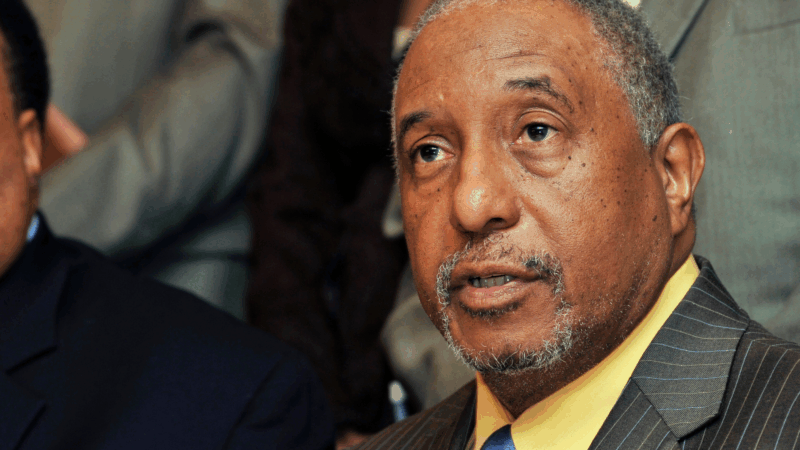
Bernard LaFayette, who died Thursday, laid the foundations of the Selma, Alabama, campaign that culminated in the passage of the Voting Rights Act. He was a Freedom Rider and helped found the Student Nonviolent Coordinating Committee.

Oil surges to its highest price since 2023, and stocks drop after U.S. jobs report
Stocks fell Friday on worries that the economy could become stuck in a worst-case scenario of stagnating growth and high inflation. Oil prices touched their highest levels since 2023 after surging again because of the Iran war.
