
‘Thunderbolts*’ is an unwieldy jumble, and also the best Marvel film in a while
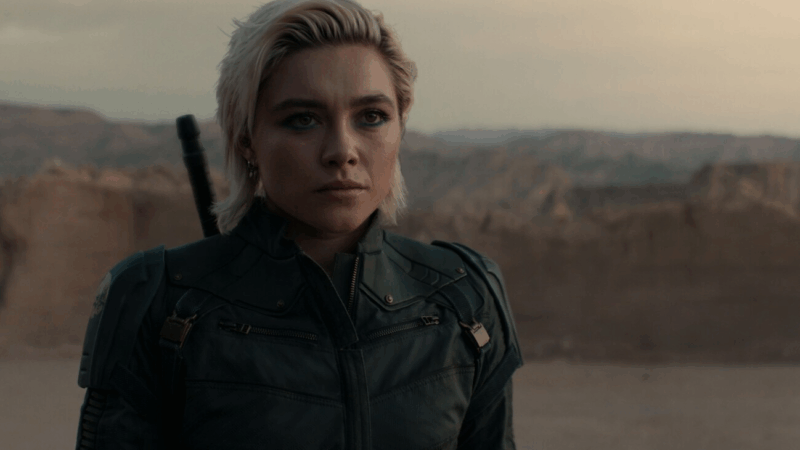
Trauma has become so overused as a plot device that I’m grateful I went into Thunderbolts* not knowing that it would plunge so deeply into its characters’ mental health issues.
The movie, directed by Jake Schreier from a script by Eric Pearson and Joanna Calo, may not be the most original treatment of those issues, but it’s sincere and heartfelt in the way it approaches them. It also happens to be the most enjoyable Marvel adventure in some time. It isn’t a self-satisfied joke like Deadpool & Wolverine or a forgettable slog like this year’s Captain America: Brave New World.
Thunderbolts* is an unwieldy jumble, to be sure, and it’s been designed, like all Marvel films, to help extend the brand unto infinity. But for an impressive stretch, it actually looks and feels like a real movie, with solid action, vivid emotional stakes and characters memorable enough that you won’t mind seeing them again in the inevitable sequel.
The star is the terrific Florence Pugh, who was introduced several movies back as Yelena Belova, the younger sister of Scarlett Johansson‘s now-deceased Natasha Romanoff. Like Natasha, Yelena is the product of a top-secret Russian program that turned innocent children into spies and assassins. Years later, Yelena still can’t shake off the grim memories of her indoctrination, or her grief over Natasha’s death.
Yelena now works as undercover muscle for CIA director Valentina Allegra de Fontaine, who’s played by a breezily menacing Julia Louis-Dreyfus with a touch of Veep-style incompetence. Valentina is bad news, and before long, Yelena is betrayed and trapped in a deadly lair in the middle of nowhere.
To get out alive, she must join forces with a few other similarly betrayed and trapped operatives, some of whom have special powers. Hannah John-Kamen plays Ghost, who can pass through walls. Wyatt Russell is enhanced super-soldier John Walker, who’s kind of like a surlier Captain America. And then there’s a random nice guy named Bob, played by Lewis Pullman, who has no idea why he’s there and appears to have no powers of any kind. But both he, and the movie, have a few surprises in store.
In time Yelena, Ghost, Walker and Bob escape Valentina’s clutches, but the danger never lets up, and they must work together to take her down. Fortunately for them, their ranks soon expand to include the Marvel mainstay Bucky Barnes, a formidable fighter with his own physical and psychological scars, well played as always by recent Oscar nominee Sebastian Stan. And then there’s Yelena’s boisterous adoptive father, a Russian expat limo driver who goes by the superhero moniker of Red Guardian. He’s played by a bumbling, scene-stealing David Harbour.
In time this ragtag crew begin calling themselves the Thunderbolts — a name inspired by a youth soccer team that Yelena was a part of years ago. Like that team, Yelena and her unlikely comrades are a scrappy bunch of underperformers — basically a third-rate Avengers.
The story is unapologetically formulaic; Valentina’s scheme, which involves turning the Thunderbolts into a public enemy, smacks a bit of Pixar’s The Incredibles, and every other Marvel movie that has featured a cataclysmic assault on a major city.
But even amid such familiar mayhem, Schreier finds fresh, vivid angles. The action is clear and coherent; the character dynamics strike the right balance of earnest sincerity and glib humor. And it’s oddly moving to see the characters put their bickering ways aside and team up to protect as many innocent bystanders as they can. For a brief moment, I was reminded of what made superhero movies fun in the first place, before they became Hollywood’s dominant export.
But Thunderbolts* does have more than fun on its mind, and here’s where that trauma element comes in. Yelena is continually haunted by reminders of her past, when she was forced as a child to become a ruthless killing machine. But she isn’t the only character here confronting emotional pain and a profound sense of emptiness.
The movie builds to a surreal sequence — an almost Being John Malkovich-style romp through the subconscious — that floats some fascinating questions: What if loneliness were the single most destructive force in existence? And what if human connection really was powerful enough to save the world? That may sound like a trite sentiment, but it’s nonetheless worth repeating — and for two hours or so, Thunderbolts* just about makes you believe it.

Opinion: The immorality of betting on war
Traders on prediction markets bet on nearly anything. One made more than half a million dollars betting on the U.S. strike against Iran. But should people wager on human suffering?
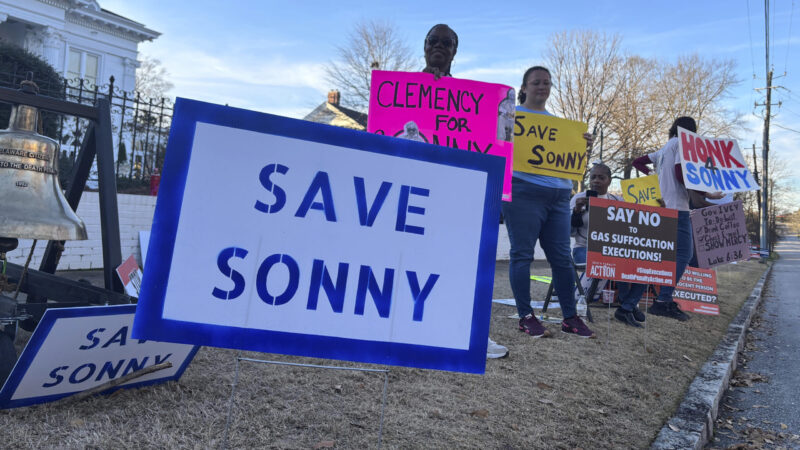
Alabama man facing execution for deadly robbery asks for clemency as he didn’t kill victim
Charles “Sonny” Burton is scheduled to be executed March 12 for his role in a 1991 robbery in which a man was fatally shot. His supporters and attorney are asking the governor for clemency, arguing that his life should be spared because Burton didn’t fire the gun or witness the killing.

Curling had its moment at the Olympics and now Paralympics. It sparked a curling bonanza in America
Hundreds of people become interested in curling every four years and the 2026 numbers already show that boom.
One week into the Iran war, the fallout is global
The war is no longer just about the U.S., Israel and Iran. More countries are getting caught in the political crossfire or being drawn into the fighting themselves.
Iran’s president defies U.S. demands while apologizing for strikes on neighbors
President Masoud Pezeshkian said Saturday that a demand by the U.S. for an unconditional surrender is a "dream that they should take to their grave." He also apologized for Iran's attacks on regional countries.
What the Trump administration says about why it went to war with Iran
The Trump administration says it is "laser focused" and mission driven, but the messaging has been varied. The range of cited motivations for striking Iran now are sometimes at odds with each other.
