
The Vatican installs chimney to signal the selection of the next pope

Workers attached a chimney atop the Sistine Chapel on Friday, ahead of the election process for the next pope.
The chimney, which is attached to the chapel before a new pope is elected, will signal to the public the election of Pope Francis’ successor.
With the death of Pope Francis last month, cardinals, senior members of the Catholic Church, will gather on Wednesday, May 7, for what’s known as a “conclave” to determine the next pope and head of the some 1.4 billion Catholics around the world. There are currently 135 cardinal electors, and to join the conclave, cardinals must be under 80 years old.
Throughout this secretive, locked-door affair, the recently installed chimney will be the only indication to the public about how the process is going. After a ceremony within the Sistine Chapel is held to mark the beginning of the conclave, the doors are locked, Bry Jensen, host of the long-running Pontifacts podcast, told NPR.
That’s when “the verbal and communicative gates go down,” Jensen said. “There is no further communication until a pope has been elected, aside from smoke.”
As the cardinals deliberate, they vote until they reach a two-thirds majority agreement on who to elect. With each vote, they burn their ballots in a stove installed in the Sistine Chapel for this purpose. If black smoke plumes from the chimney, the cardinals aren’t in agreement and will need to vote again. Once white smoke can be seen from the chimney, it signals to the public that the Roman Catholic Church has a new leader. The process relies on chemicals to produce the desired color.
Throughout the election process, the chimney may fill the sky above the Sistine Chapel with black smoke multiple times. Kurt Martens, ordinary professor of canon law at the Catholic University of America, told NPR that an initial round of voting occurs on the first evening the conclave commences. Typically though, he said, the first round is merely an indication of the cardinals’ priorities. The following day, the conclave starts holding two rounds of voting each morning, and another two in the afternoon, until they reach consensus.
Regarding how long conclaves usually last, Jensen said that all of the conclaves from the 1900s onward have ended in under four days. Francis was elected pope at the end of the conclave’s second day in 2013.
House Dem. Leader Jeffries responds to air strikes on Iran by U.S. and Israel
NPR's Emily Kwong speaks to House Minority Leader Hakeem Jeffries (D-NY), who is still calling for a vote on a war powers resolution following a wave of U.S.- and Israel-led airstrikes on Iran.
Iran’s Ayatollah Ali Khamenei is killed in Israeli strike, ending 36-year iron rule
Khamenei, the Islamic Republic's second supreme leader, has been killed. He had held power since 1989, guiding Iran through difficult times — and overseeing the violent suppression of dissent.
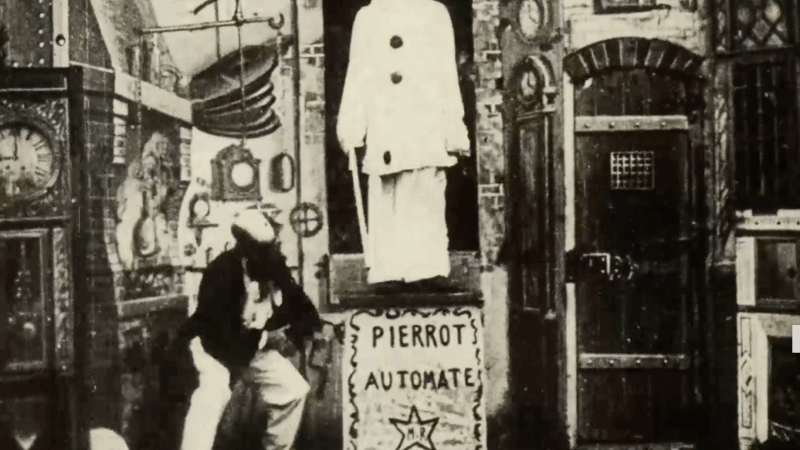
Found: The 19th century silent film that first captured a robot attack
A newly rediscovered 1897 short by famed French filmmaker Georges Méliès is being hailed as the first-ever depiction of a robot in cinema.
‘One year of failure.’ The Lancet slams RFK Jr.’s first year as health chief
In a scathing review, the top US medical journal's editorial board warned that the "destruction that Kennedy has wrought in 1 in office might take generations to repair."
Here’s how world leaders are reacting to the US-Israel strikes on Iran
Several leaders voiced support for the operation – but most, including those who stopped short of condemning it, called for restraint moving forward.

How could the U.S. strikes in Iran affect the world’s oil supply?
Despite sanctions, Iran is one of the world's major oil producers, with much of its crude exported to China.
