
The global economy will be hit hard by Trump’s tariffs, IMF warns
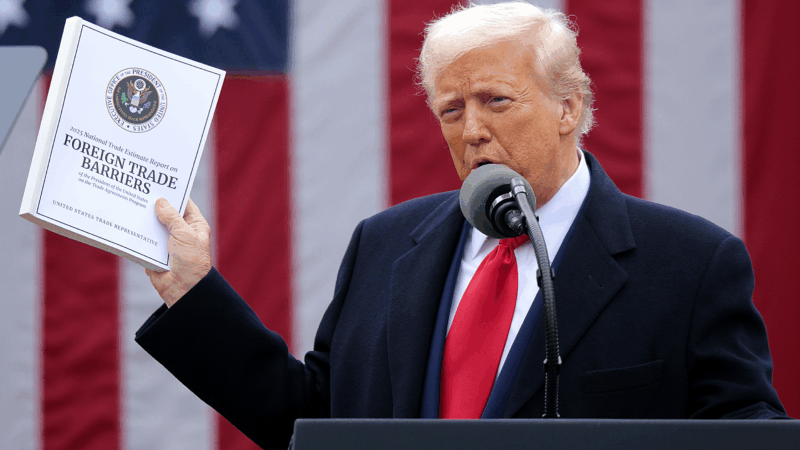
The International Monetary Fund warned on Tuesday that the global economy could be hit hard as President Trump’s sweeping tariffs threaten to spark an all-out trade war.
The IMF predicted the global economy would grow 2.8% this year, down from 3.3% in 2024. Back in January, the multilateral organization had predicted global growth would expand at the same rate as last year.
At the same time, the IMF slashed its forecast for U.S. growth to 1.8% this year, down from the 2.8% it had predicted in January.
But the IMF also recognized just how unpredictable things had become for the global economy since Trump unveiled a number of tariffs this year including on steel and aluminum imports. Although he has paused many of them, the U.S. has still imposed a 10% tariff on all imports. Meanwhile, he has slapped an additional 145% tariff on China so far on his second term.
“We’re entering a new era as the global economic system that has operated for the last 80 years is being reset,” said Pierre-Olivier Gourinchas, IMF’s chief economist, in a news conference.
“Beyond the abrupt increase in tariffs, the surge in policy uncertainty is a major driver of the economic outlook,” he added. “If sustained, the increase in trade tensions and uncertainty will slow global growth significantly.”
Global markets have tumbled in the wake of Trump’s latest tariffs earlier this month, while fears are rising that foreign investors may be cutting their exposure to the U.S. and no longer considering the world’s biggest economy the safe haven it has been for decades.
One of the biggest fears by investors is that countries targeted by Trump will retaliate, leading to more widespread tensions. Trump has temporarily paused most of the reciprocal tariffs he had imposed on countries, except for China, as his administration seeks to negotiate deals.
So far, China and Canada have hit back at the U.S. with their own tariffs, while the European Union has said it’s prepared to retaliate but is willing to give negotiations a try.
Scott Horsley contributed to this report.
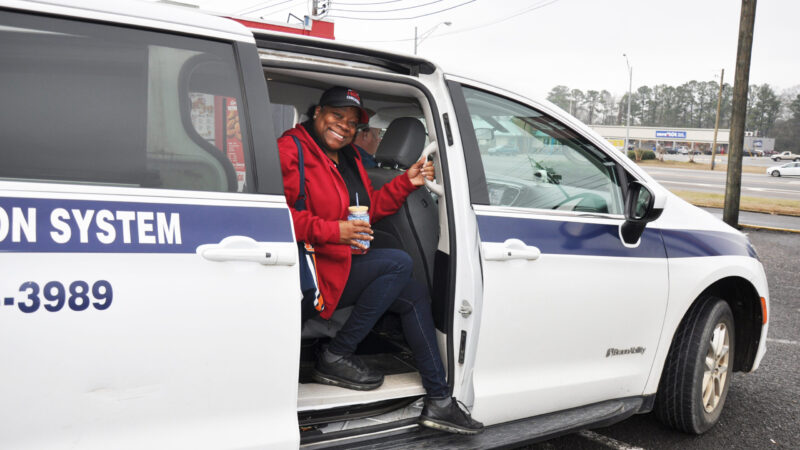
Lack of transportation keeps many Alabamians from working. Rural public transit programs are trying to help
While lack of transportation is a major employment barrier in Alabama, few people take public transit to work. That dynamic is even more pronounced in rural areas.

When a horse whinnies, there’s more than meets the ear
A new study finds that horse whinnies are made of both a high and a low frequency, generated by different parts of the vocal tract. The two-tone sound may help horses convey more complex information.
Trump’s many tariff tools mean consumer prices won’t go down, analysts say
The Supreme Court struck down President Trump's signature tariffs. But the president has other tariff tools, and consumers shouldn't expect cheaper prices anytime soon, economists say.
Hundreds of American nurses choose Canada over the U.S. under Trump
More than 1,000 American nurses have successfully applied for licensure in British Columbia since April, a massive increase over prior years.

Tax credits for solar panels are available, but the catch is you can’t own them
Rooftop solar installers are steering customers toward leases instead of purchases. Federal tax credits for purchased systems have ended but are still available for leased ones.
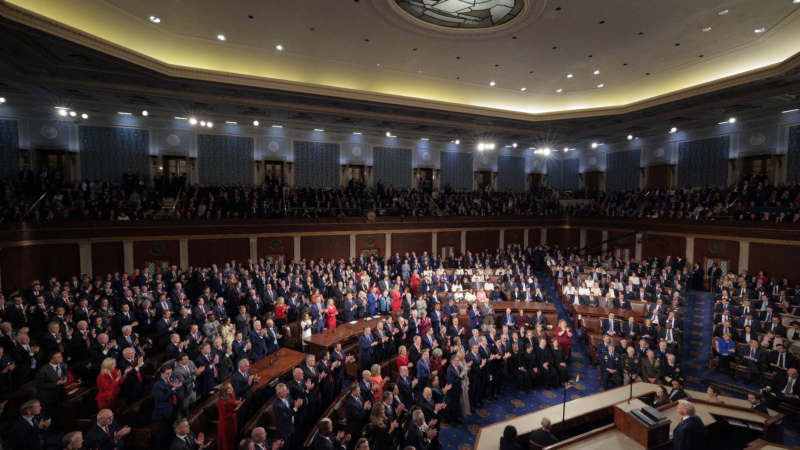
5 takeaways from Trump’s State of the Union address
President Trump hit familiar notes on immigration and culture in his speech Tuesday night, but he largely underplayed the economic problems that voters say they are most concerned about.
