
The Booker shortlist honors authors ‘in total command’ of their craft
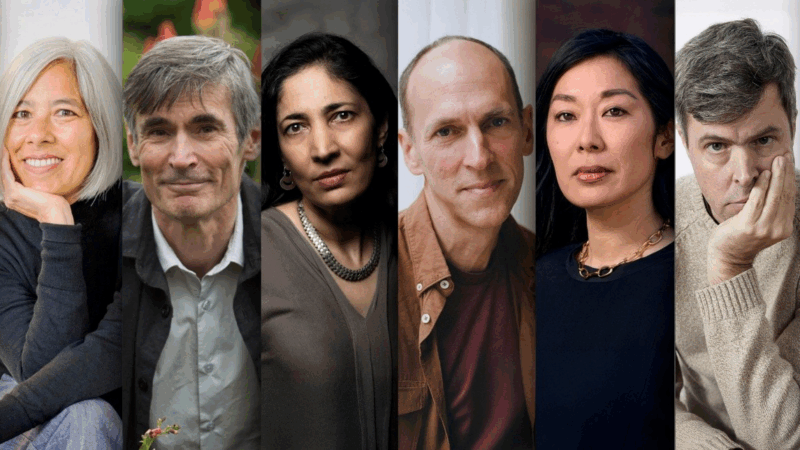
The 2025 Booker shortlist is made up of works by veteran authors, most of whom have more than five books to their name. In a statement, author Roddy Doyle, the chair of judges, writes that the shortlisters are “in total command of their own store of English, their own rhythm, their own expertise.”
Each of the six shortlisted authors receives £2,500 ($3,380) and “a specially bound edition of their book.” The Booker Prize winner will be announced Monday, Nov. 10, in a ceremony that will be broadcast on BBC Radio 4 and livestreamed on the Booker Prizes’ social channels. The winner will receive £50,000 ($67,600).
This year’s Booker Shortlist winners are:
Flashlight by Susan Choi
Susan Choi’s sixth novel began as a short story published in The New Yorker. Inspired by her own experiences growing up in the midwest as the daughter of a Korean father and a Russian-Jewish mother, Choi told NPR Flashlight “kind of wrote itself like a snail shell. It just kept spiraling outward in both directions.”
The Loneliness of Sonia and Sunny by Kiran Desai
Desai won the Booker Prize in 2006 for The Inheritance of Loss. She spent almost 20 years writing The Loneliness of Sonia and Sunny, a novel about Indians in America that the Booker Prize judges hailed as “a magical realist fable within a social novel within a love story.”
Audition by Katie Kitamura
Kitamura told NPR she got the idea for Audition from a headline that read “A stranger told me he was my son.” She said she” was completely captivated by the idea that in a single encounter, in a single moment, everything you understand about yourself and your place in the world could be overturned.” A live-action movie adaptation of Audition will star Lucy Liu and Charles Melton.
The Rest of Our Lives by Ben Markovits
Former professional basketball player Ben Markovits’ novel is described by the Booker judges as a “remarkably satisfying road trip full of strangers, friends, and self-discovery.” Markovits said in a statement, “My kids were getting older and I wanted to write something about a certain period of family life coming to an end.”
The Land in Winter by Andrew Miller
This is Andrew Miller’s 10th novel and his second to make the Booker shortlist (Oxygen made the list in 2001). The book tells the story of two young couples during the U.K.’s Big Freeze of 1962-63; The Guardian wrote that Miller “turns to the difficulty of loving in an unlovely world.”
Flesh by David Szalay
Szalay’s second novel to make the Booker shortlist (the first was All That Man Is in 2016) is set in Hungary and follows the young man István from his teen years into adulthood. “Spare and detached on the page, lush in resonance beyond it, Szalay’s new novel reads a bit like an immigrant bildungsroman flavored with Albert Camus,” writes Colin Dwyer for NPR.
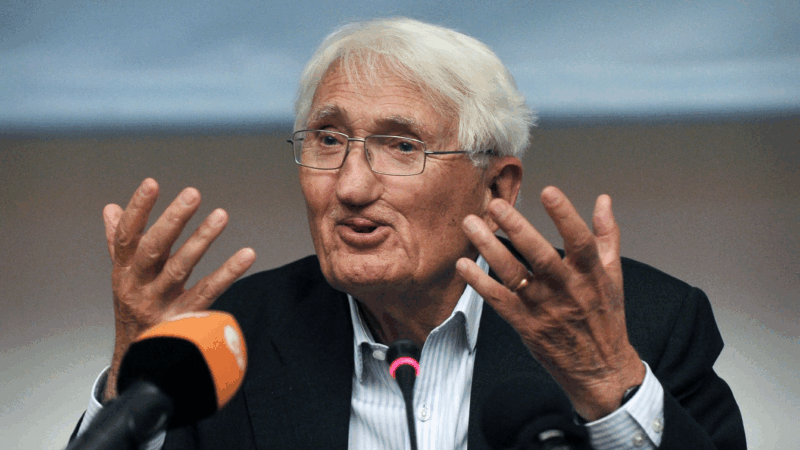
Acclaimed 20th century philosopher Jürgen Habermas dies at 96
Associated with the Frankfurt School, Habermas was a world-renowned thinker on modernity and democracy who helped shape German post-war and post-reunification political discourse.
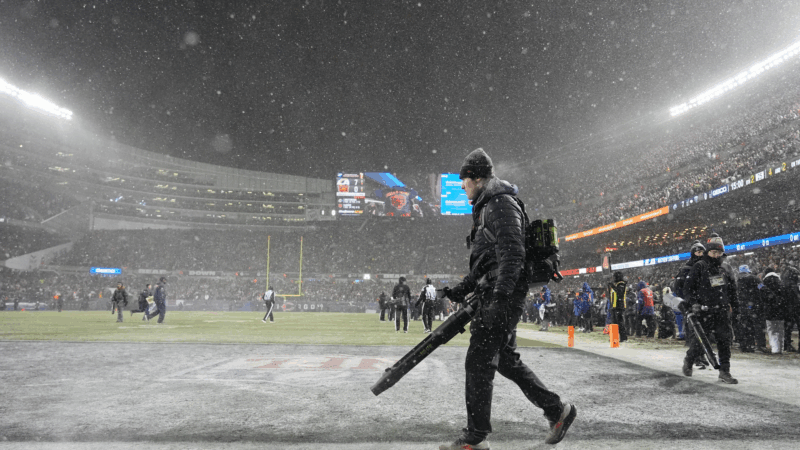
Why the Chicago Bears could be moving to Indiana
While Illinois is trying to keep the team in Chicago's suburbs, Indiana lawmakers are offering a plan to finance a new stadium
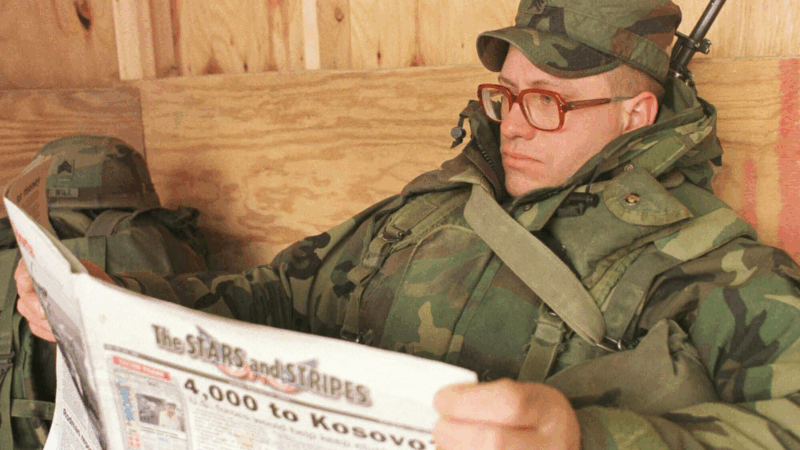
Pentagon tightens controls over Stars and Stripes after calling it “woke”
The new rules for the independent military newspaper are the Defense Department's latest effort to put extraordinary restrictions on journalists covering the agency.
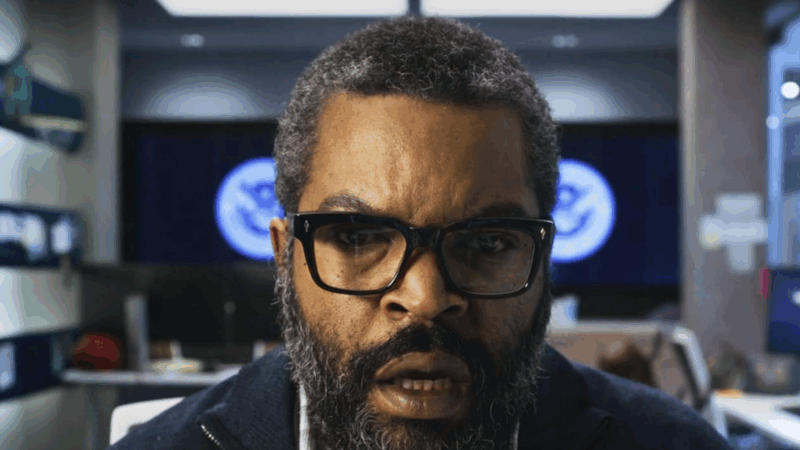
‘War of the Worlds’ remake sinks to the bottom at this year’s Razzie Awards
The surveillance industry version of HG Wells' 1898 classic sci-fi novel stars Ice Cube, and won accolades for worst picture, actor, director and more.
Russian strike on Kyiv region kills 4 and wounds 15, with peace talks stalled
The strikes comes after the United States paused ceasefire talks between Russia and Ukraine due to the war with Iran.
As the risk of measles grows, why are parents so divided on vaccines?
In South Carolina, some parents embrace vaccines, others opt out. Why do people make such different choices? A mix of politics, distrust and misinformation is pushing neighbors apart.
