
Texas’ measles outbreak isn’t slowing down. How can that change?
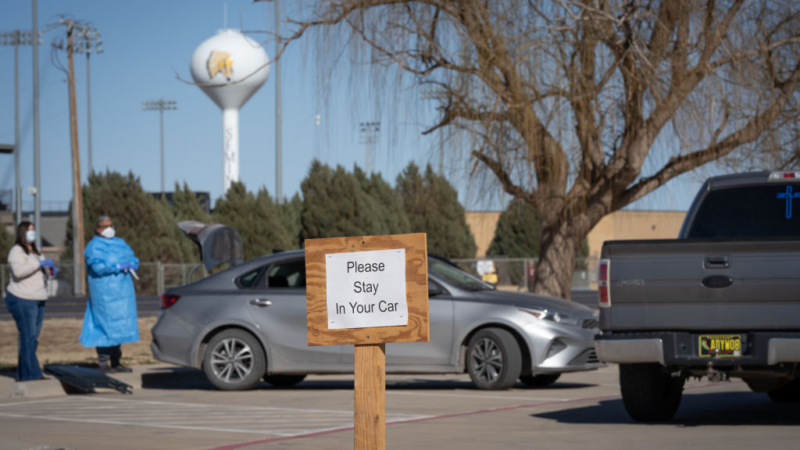
Slipping vaccination rates in West Texas have led to the state’s largest measles outbreak in over 30 years, with more than 500 patients affected as of April 8 and cases spreading to New Mexico and Oklahoma. Last week, an unvaccinated Texas child died from measles, marking the third death tied to the outbreak.
Public health experts say there is a playbook for slowing outbreaks like this one: Identify cases. Isolate patients. Track where they’ve been and who they may have exposed. Most of all, drive up the vaccination rate.
“That’s the way to stop it. This only ends with immunity,” said Jennifer Nuzzo, director of the Pandemic Center at The Brown University School of Public Health.
This strategy isn’t novel. The benefits of measles vaccination have been well-established for more than half a century. The emergence of the vaccine in the 1960s meant parents no longer had to accept the risks of serious complications or death that came with the common childhood disease.
By 2000, measles was considered eliminated in the U.S. — thanks to vaccination. But misinformation about the vaccine began to spread around the same time.
Katherine Wells, director of public health in Lubbock, the largest city in the West Texas region affected by the outbreak, said she is seeing the impact of that misinformation today.
“Talking to the community, they really stopped vaccinating about 20 years ago, which is in line with what we’ve seen in other communities across the United States,” she said.
The vaccine is safe and effective, according to the Centers for Disease Control and Prevention, with rare and usually mild side effects.
Yet U.S. vaccination rates have dipped for everything from measles to flu over the past five years, according to CDC data.
In Texas, measles immunization rates in the state and kindergarteners dropped around two and a half percent between 2019 and 2023, according to the Texas Department of State Health Services.
The same is true at the national level, CDC data shows.
In Gaines County, the epicenter of the West Texas outbreak, only around 82% of kindergarteners were vaccinated for measles in the 2023-24 school year, compared to the 95% recommended by the World Health Organization to maintain herd immunity.
Wells also said she and her colleagues have ramped up testing and vaccination efforts in the area, with some success.
Still, it’s an uphill battle.
“The uptake for vaccines has … definitely been a struggle. I want to be honest with that,” Wells said.
She said her department is following the established measles playbook: conducting contact tracing, letting the public know about possible exposures and encouraging isolation.
Unless Texas declares a public health emergency, local officials can’t take more aggressive steps, like preemptively quarantining unvaccinated kids.
Chris Van Deusen, director of media relations for the Texas Department of State Health Services, said there are no plans to declare an emergency.

Conflicting language
While the outbreak grows, a range of bills aimed at loosening vaccine mandates are being considered by the Republican-controlled Texas Legislature.
And at the national level, the Secretary of Health and Human Services, Robert F. Kennedy Jr., has at times downplayed the importance of vaccines and promoted unproven alternative treatments for measles.
In an op-ed published last month, he suggested vitamin A could “dramatically reduce measles mortality.”
And while the American Academy of Pediatrics does recommend two doses of vitamin A for children to relieve measles symptoms, especially if they’re so sick they’re hospitalized, vitamin A is not a cure and does not prevent transmission of the disease.
After a second child in Texas died from measles last weekend, Kennedy said in a social media statement that he had traveled to visit the child’s family. He said in the statement that vaccines are the most effective defense against this disease.
Nuzzo said conflicting messaging adds a layer of difficulty for health professionals responding to the outbreak on the ground.
“I think the federal communications is muddying the waters and making the jobs that the local officials have in responding to this outbreak harder,” she said.
Proposed federal funding cuts are also shaping up to be an obstacle.
In March, the Department of Government Efficiency announced it would terminate hundreds of millions of dollars in grants to the Texas Department of State Health Services.
Van Deusen said the agency has notified more than 50 local health departments to stop spending funds under the affected federal awards — some of which have been used for immunization programs.
Lacey Nobles, Lubbock’s director of communications, said the city is still assessing what the impact of those lost funds will be locally.
As the confirmed cases in Texas surpass 500, Wells is bracing for a long road.
“This is going to be a large outbreak, and we are still on the side where we are increasing the number of cases,” she said.
She expects it to be a year before the case count is back to zero.
Opinion: Remembering Ai, a remarkably intelligent chimpanzee
We remember Ai, a highly intelligent chimpanzee who lived at the Primate Research Institute of Kyoto University for most of her life, except the time she escaped and walked around campus.
The near death — and last-minute reprieve — of a trial for an HIV vaccine
A trial was about to launch for a vaccine that would ward off the HIV virus. It would be an incredible breakthrough. Then it looked as if it would be over before it started.

Bessemer data center developer to request rezoning for additional 900 acres
The city’s attorney informed council members of the request on Tuesday, warning that there may be media scrutiny.
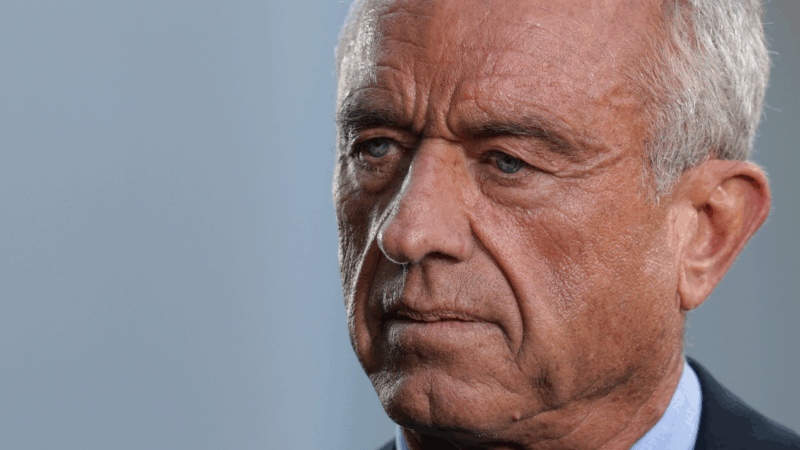
Is RFK Jr.’s Administration for a Healthy America — AHA — in the works or not?
The Administration for a Healthy America is RFK Jr.'s plan to tackle chronic disease, addiction and other persistent problems. But so far it's not being set up like previous new agencies.
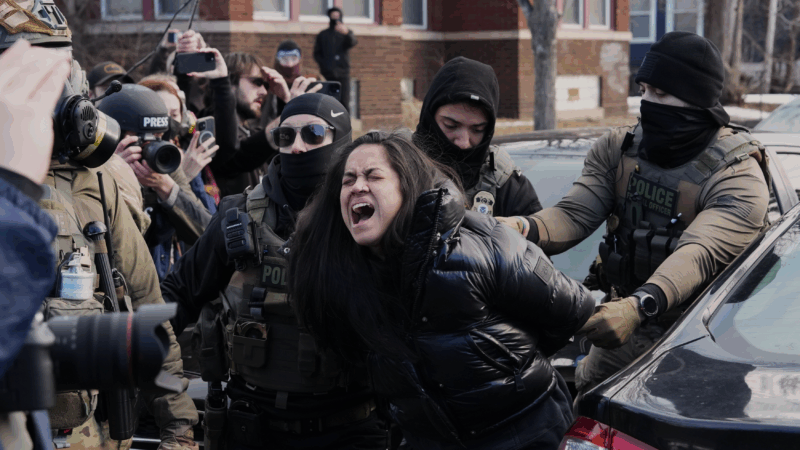
Events in Minneapolis show how immigration enforcement has changed. What’s the impact?
Minneapolis is at the center of sweeping, evolving federal immigration push. It demonstrates how different immigration enforcement is under Trump's second administration - and raises questions about the lingering effects on local communities and law enforcement.
They quit their day jobs to bet on current events. A look inside the prediction market mania
Prediction market apps are thriving in Trump's second term, with traders betting on migrant deportations to election outcomes. A community of young, mostly male and very online traders are driving the industry's bonanza.
