
Supreme Court to hear challenge to Hawaii’s limits on guns
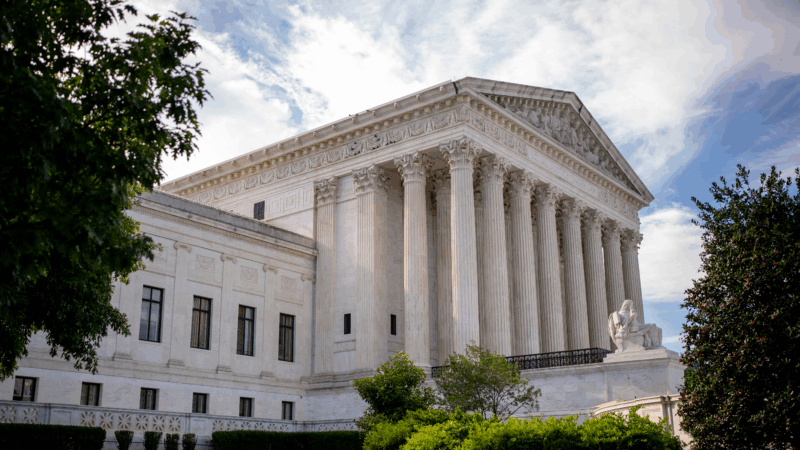
The Supreme Court waded Friday back into gun-rights in a case that tests the constitutionality of a Hawaii law that restricts where gun owners can carry their weapons.
At issue is the state law that bans guns on private property that is open to the public — places like clubs, bars and restaurants — unless the property’s owners have allowed them. The Ninth Circuit, which oversees Hawaii, held that the 2023 law is constitutional. The Second Circuit disagreed and paused an identical New York law.
The U.S. Supreme Court in 2022 struck down a century-old gun law in New York and ruled that there is a a constitutional right to carry a handgun in public for self defense. The court could use the Hawaii case to further broaden gun rights.
Historical analysis will be at the heart of the arguments at the court in this case. In the Ninth Circuit, Hawaii cited a 1771 New Jersey law and an 1865 Louisiana law that mandated gun wielders get owner consent before bringing guns onto any form of private property.
The gun owners challenging this law argue that the Louisiana and New Jersey laws are historical outliers. And they note that the state law restricts Hawaiians’ ability to live their lives as they can be barred from social spaces.
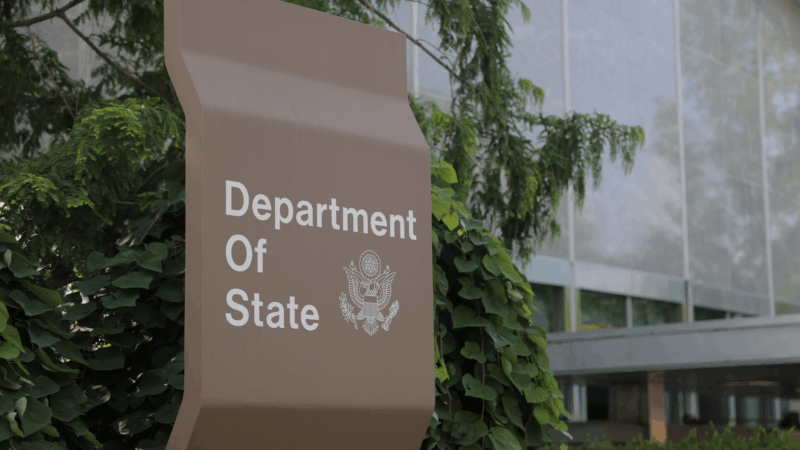
State Department will delete X posts from before Trump returned to office
The policy change orders the removal of any post made by official State Department accounts on X before President Trump returned to office in 2025.
The CIA World Factbook is dead. Here’s how I came to love it
The Factbook survived the Cold War and became a hit online. It mixed quirky cultural notes and trivia with maps, data, and photos taken by CIA officers. But it was discontinued this week.
DVDs and public transit: Boycott drives people to ditch Big Tech to protest ICE
A sweeping boycott has begun — targeting tech giants who participants believe are enabling President Trump and his immigration crackdown.
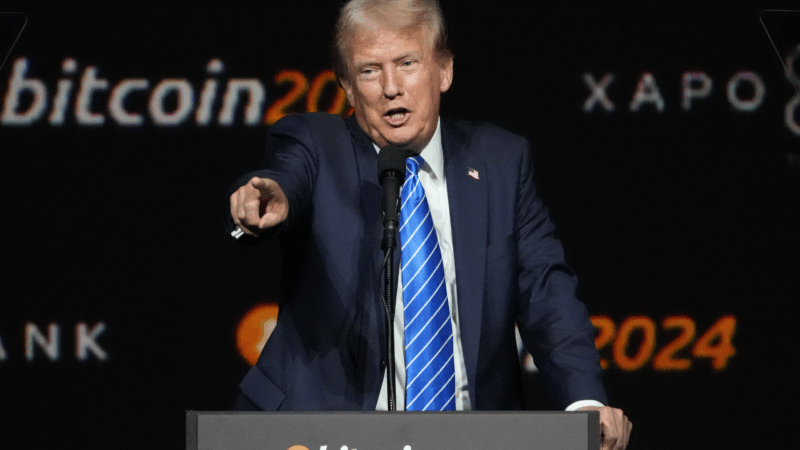
Trump promised a crypto revolution. So why is bitcoin crashing?
Trump got elected promising to usher in a crypto revolution. More than a year later, bitcoin's price has come tumbling down. What happened?
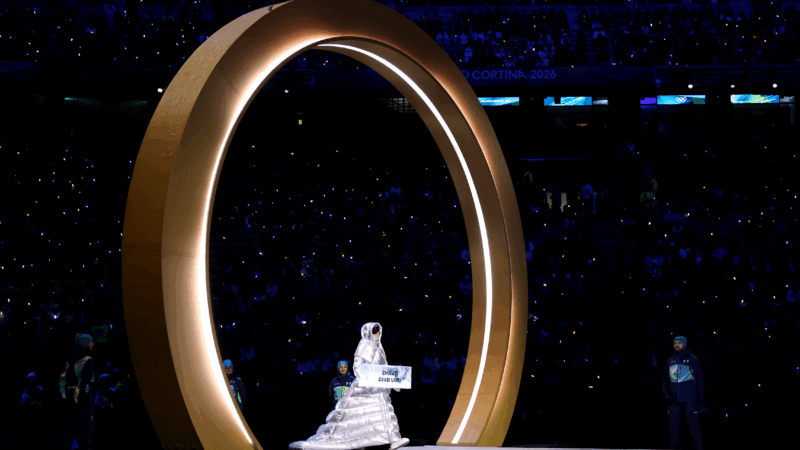
Mariah Carey, coffee makers and other highlights from the Olympic opening ceremony
NPR reporters at the Milan opening ceremony layered up and took notes.
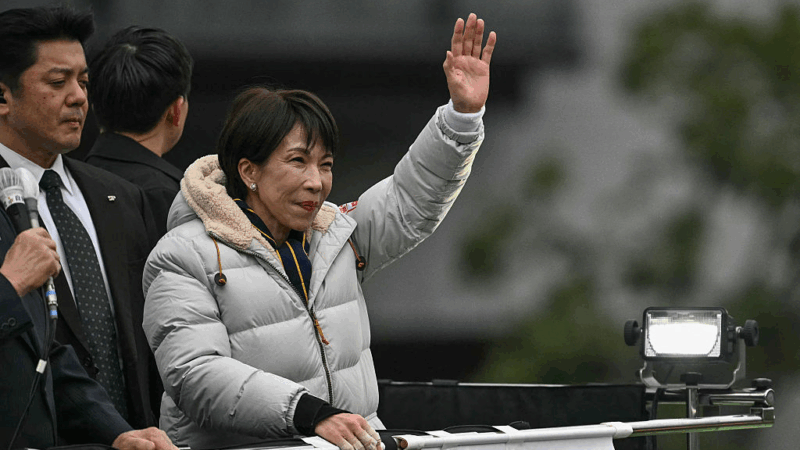
Japan’s first female prime minister stakes her future on snap elections
Japan's first female premier has called snap elections for Sunday. She seeks a mandate for what could be sweeping changes and possibly a lurch to the political right.
