
Supreme Court press corps asks chief justice to live-stream court’s opinions
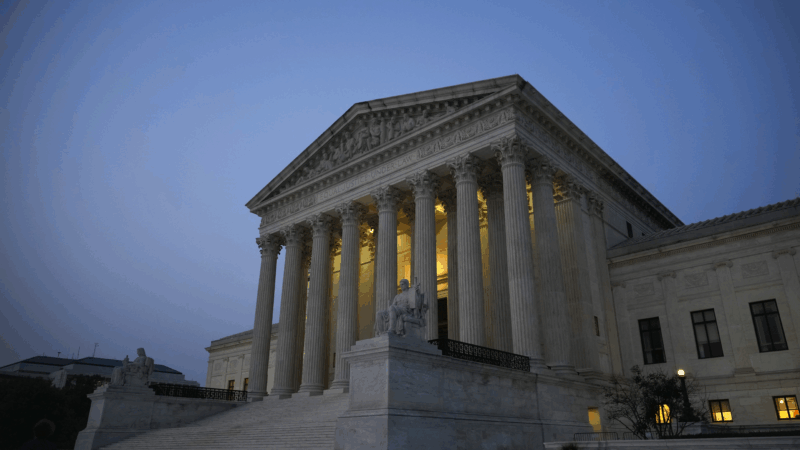
Members of the Supreme Court press corps released a public letter Wednesday asking that the audio of the court’s opinions and oral dissents be streamed online. The letter was originally sent to Chief Justice John Roberts privately one year ago, and has not received a response.
The signatories were representatives from all the major radio and TV networks as well as the newspaper and news agencies that cover the court, including NPR.
As it stands now, over the coming days as the U.S. Supreme Court announces a variety of highly significant decisions from the bench, only the lawyers, public attendees and members of the press corps who happen to be in the courtroom will hear directly from the justice of the opinion as he or she reads a summary of the decision.
The audio of that announcement will not be available until the next term begins in the fall, when it can be listened to at the National Archives or on the Oyez website.
The letter notes that the court began providing live audio of oral arguments in 2020 when the pandemic prevented the justices from hearing oral arguments together. Until then the court had resisted broadcasting oral arguments except in very rare cases, such as Bush v. Gore, the case that decided the 2000 election. But after the pandemic subsided and normal arguments resumed, the court continued the practice of live-streaming oral arguments — though continued to bar live streaming of opinion announcements.
The letter argues that while the justices would like people to read their opinions in their entirety for themselves, most people will not devote the hours needed to do that. It goes on to say that “in this era of misinformation, providing live audio of opinion announcements would allow the Court to speak directly to the American people on issues of extraordinary importance.”
It concludes that “just as the Court’s live streaming of oral arguments has made your work accessible to a much wider audience, taking the next stop to allow the court’s opinion announcements to be heard in real time will lead to greater understanding and appreciation of the court’s final decisions.”
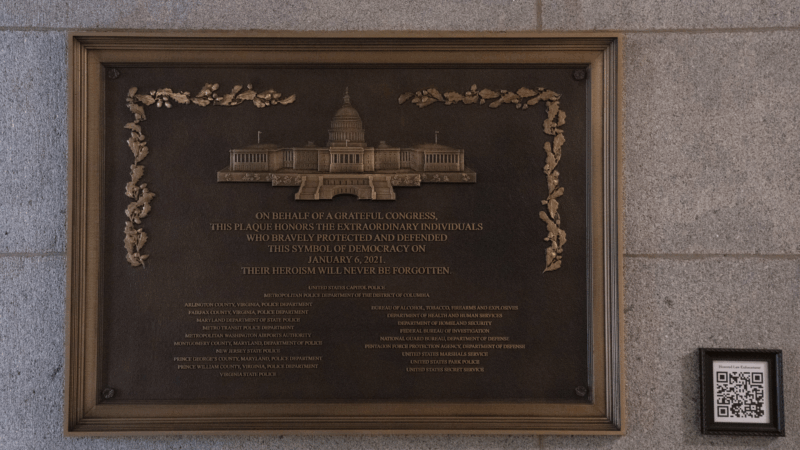
Jan. 6 plaque honoring police officers is now displayed at the Capitol after a 3-year delay
Visitors to the Capitol in Washington now have a visible reminder of the siege there on Jan. 6, 2021, and the officers who fought and were injured that day.

Authorities searching debris after suspected tornadoes kill 6 in Michigan, Oklahoma
A 12-year-old boy is reported to be among the dead following powerful storms that stretched across the middle of the country.

Opinion: The immorality of betting on war
Traders on prediction markets bet on nearly anything. One made more than half a million dollars betting on the U.S. strike against Iran. But should people wager on human suffering?
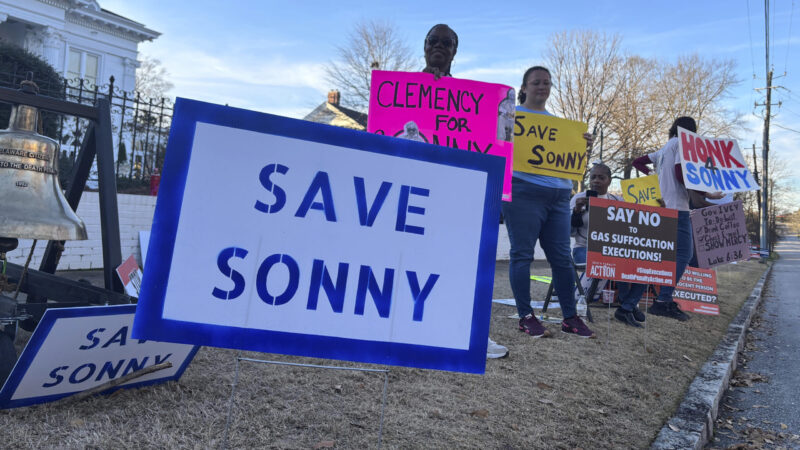
Alabama man facing execution for deadly robbery asks for clemency as he didn’t kill victim
Charles “Sonny” Burton is scheduled to be executed March 12 for his role in a 1991 robbery in which a man was fatally shot. His supporters and attorney are asking the governor for clemency, arguing that his life should be spared because Burton didn’t fire the gun or witness the killing.

Curling had its moment at the Olympics and now Paralympics. It sparked a curling bonanza in America
Hundreds of people become interested in curling every four years and the 2026 numbers already show that boom.
One week into the Iran war, the fallout is global
The war is no longer just about the U.S., Israel and Iran. More countries are getting caught in the political crossfire or being drawn into the fighting themselves.
