
Secrets and silence haunt a grieving family in this spellbinding melodrama
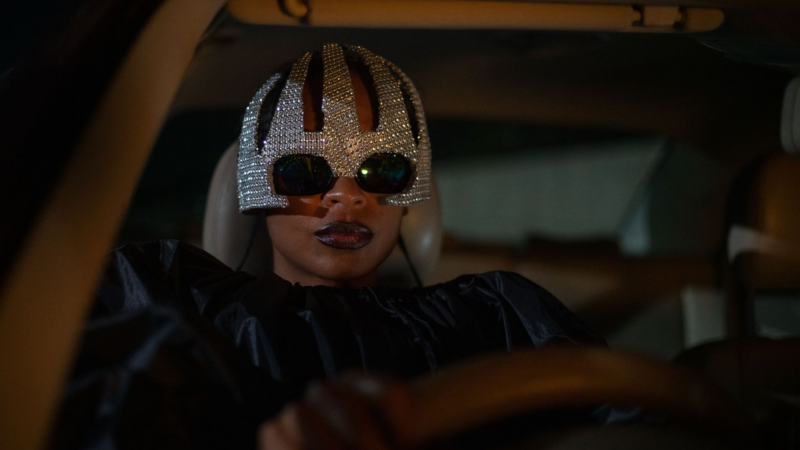
Filmmaker Rungano Nyoni’s spellbinding melodrama On Becoming a Guinea Fowl begins with a woman named Shula (Susan Chardy) happening upon the dead body of her Uncle Fred on the side of an empty dirt road in Zambia one evening. Shula is eerily unmoved. She in fact appears more inconvenienced and annoyed than anything else — now she must wait with him until the authorities come, which takes hours.
This opening scene unfolds in a surreal manner, underlined by a sprinkling of magical realism and Shula’s outfit — an apparent reference to Missy Elliott’s futuristic puffy jumpsuit, bug-eyed sunglasses, and rhinestone helmet in the music video for “The Rain (Supa Dupa Fly).” Everything about it is a bit off, unmoored. But eventually, as Nyoni carefully and compassionately allows the pieces to fall into place, it makes all the sense. When it does, it resonates deeply.
Family traveling from near and far converge upon one person’s house for several days of mourning, including Shula’s grief-stricken mother (Doris Naulapwa). Most of these characters don’t stand out on their own — there are so many aunties, and with one exception, the men aren’t really the focus here — but Nyoni immerses the viewer in the complex dynamics and hierarchies at play through carefully observed interactions, right down to practices as seemingly anodyne as the preparation and serving of meals. The elders are content to let things play out as they always do, to the point of dogmatism. But an evil spirit hangs over this ritual, and it bonds Shula with her cousins Nsansa (Elizabeth Chisela) and Bupe (Esther Singini), even if they don’t recognize it at first. That spirit is in danger of being buried with Fred, instead of confronted and dealt with head-on.

Guinea Fowl‘s themes are familiar but potent, and always bear repeating when rendered as clearly and evocatively as they are here: Dark secrets regarding abuse and trauma are kept to preserve “norms” and “unity,” often at the expense of victims who suffer in silence. Older generations set the template, and each subsequent generation must decide whether to follow that example or reject it.
It’s striking to watch how the cousins attempt to resist in distinct ways. As Shula, Chardy is a stirring presence who doesn’t have to say much to convey her character’s inner turmoil and resentment, which simmer beneath her stony-faced exterior while she goes through the performative motions of grief. Nsansa too is a black sheep — boisterous, constantly drunk and blunt in her disdain for the ceremony of Fred. As the pre-burial proceedings roll on, that rough persona gives way to a softer, more vulnerable side that Chisela, a fine performer, captures wonderfully. Bupe, the youngest and most impressionable, makes more drastic choices out of a sense of helplessness.
Older generations set the template, and each subsequent generation must decide whether to follow that example or reject it.
Writer/director Nyoni, who is British-Zambian, has established herself as adept at this kind of vividly odd worldbuilding. In her great feature debut I Am Not a Witch, she cheekily and tragically explored the misogynistic and conservative social constructs which have allowed for the existence of “witch camps,” where women accused of being witches are ostracized and forced to work for local chiefs. Guinea Fowl is similarly critical of and deeply curious about the reinforcement of group-think and the power of tradition within communities, as Uncle Fred’s death sets into motion a series of long-held customs of grieving.
The film echoes I Am Not a Witch in another, very direct way: Their protagonists share the same name. In the latter, Shula (Maggie Mulubwa) is an orphaned child banished to the community of elder “witches”; they give her this name because, we’re told, it means “uprooted.” In Guinea Fowl, Shula is a grown woman, but she as well as Nsansa and Bupe are also uprooted in a way, outsiders less tethered to the ritual their elders cling to. Their rebellion doesn’t come easy, nor does it necessarily come out strong. But that’s exactly the point — the crushing weight of familial obligation and long-held social mores help explain why the cycle of obfuscation can persist.
Nyoni leaves room for hope, however, that the silence will eventually become too loud to ignore.
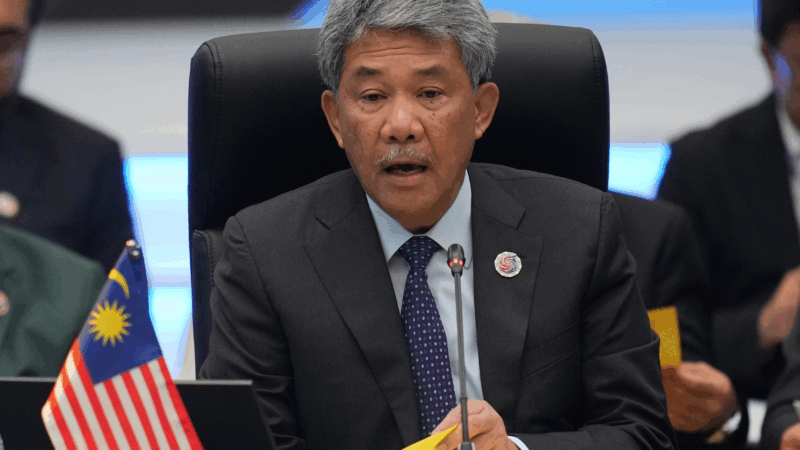
ASEAN won’t endorse election in military-ruled Myanmar, Malaysia says
Malaysia's foreign minister Mohamad Hasan cited concerns over the lack of inclusive and free participation.
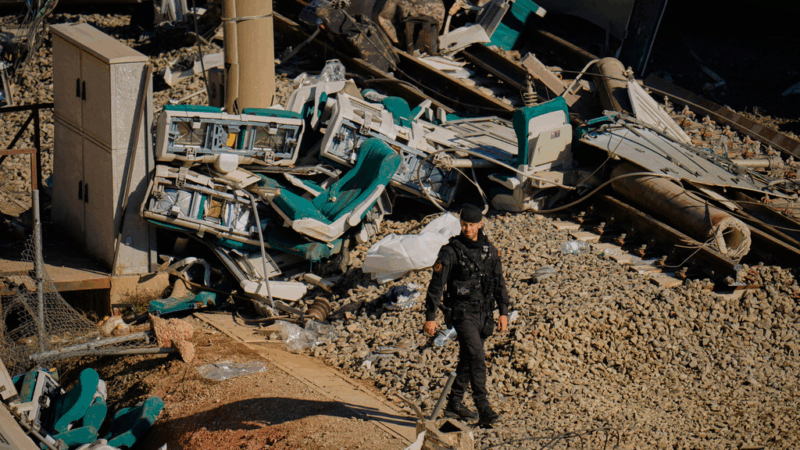
‘The miracle’: A 6-year-old walked away from the train wreck that killed her family
Her parents, brother and cousin were killed in the collision, but the girl was found walking barefoot on the tracks. She's being cared for by grandparents after receiving three stitches in her head.

Trump says U.K. return of Chagos Islands to Mauritius is a reason to acquire Greenland
The president previously supported Britain's agreement to hand back sovereignty of the Indian Ocean archipelago, where the U.K. continues to lease the U.S.-U.K. Diego Garcia military base.
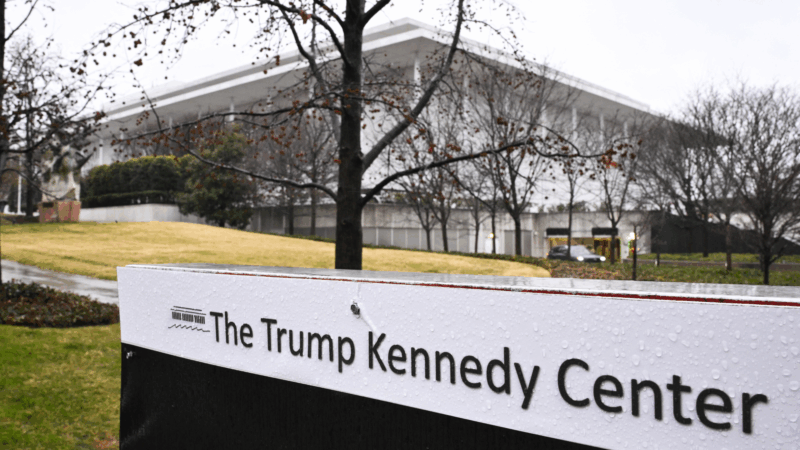
Here’s who’s canceled their Kennedy Center performances since Trump took over
The Martha Graham Dance Company is just the latest to say they will no longer perform at the Kennedy Center since Trump took over last year.

An Alabama mayor signed an NDA with a data center developer. Read it here.
The non-disclosure agreement was a major sticking point in a lively town hall that featured city officials, data center representatives and more than a hundred frustrated residents.
The divorce between the U.S. and WHO is final this week. Or is it?
The U.S. is the only country allowed to withdraw from the World Health Organization. And Jan. 22 is the day when Trump's pullout announcement should go into effect. But ... it's complicated.
