
Say bye-bye to the beeps and boops of AOL’s dial-up internet service

Beep, bop, boop, boooopp, scrsssshh…
Such was the sound of AOL’s dial-up service, a marker of trying to connect to the internet in the 1990s. Now the company has announced it’s getting rid of dial-up.
“AOL routinely evaluates its products and services and has decided to discontinue Dial-up Internet,” its website says.
The service will run until Sep. 30. NPR’s efforts to reach AOL for comment were unsuccessful.
What is dial-up?
Dial-up uses a modem to convert digital data from a computer into audio signals, which can then travel over standard phone lines, said W. Patrick McCray, a tech historian at the University of California, Santa Barbara.
Users have to plug their computers into a phone jack and install software that allows the computer and dial-up service to communicate.
The process resulted in a robotic, staticky noise.
“In some ways, it was kind of like the sound of the 1990s,” McCray said.
But it had its drawbacks, such as users not being able to use the phone and internet at the same time. It also had a fraction of the speed available in today’s internet landscape. Downloading a song took several minutes, and downloading a movie was unheard of, McCray said.
AOL’s significance on the Internet
AOL rolled out its dial-up service in 1991, when lawmakers were focused on closing the “digital divide,” the idea that people living in poorer or more rural areas would not have equitable access to the internet, McCray said.
The company was known for handing out discs and CDs that gave users several hours of internet access for free. They were so embedded in 1990s American culture that one of those discs now sits in the Smithsonian’s collection. The CDs can be bought in lots on eBay.
Dial-up was considered accessible at the time, as it requires a landline, technology that many Americans already had. However, it has largely been replaced by broadband internet, which does not have as extensive an infrastructure.
As of 2022, 0.1% of American households relied on dial-up to access the internet, according to the Census Bureau’s American Community Survey.
“For those people who live in those rural communities today, they’re going to have to find an alternative, ” McCray said.
AOL did not introduce dial-up, but it became popular because of its ease of use and interface, which included things like news and email on the homepage, McCray said.
AOL says members’ other benefits will not be impacted by the discontinuation of dial-up.
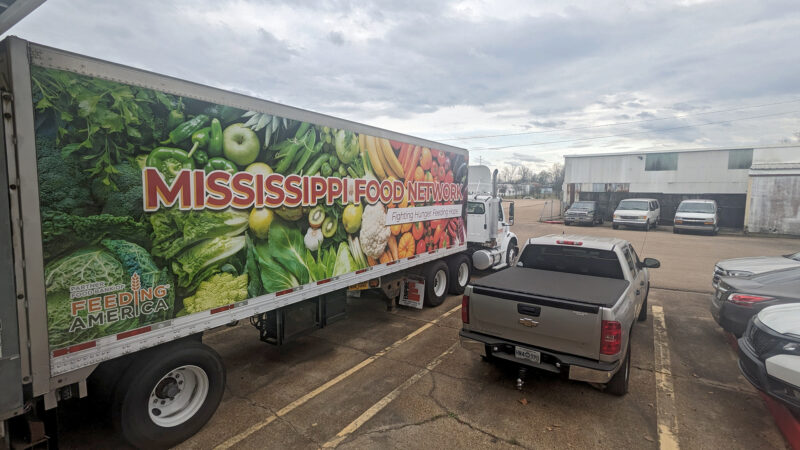
Gulf South food banks look back on a challenging year as another shutdown looms
Federal funding cuts and a 43-day government shutdown made 2025 a chaotic year for Gulf South food banks. For many, the challenges provide a road map for 2026.
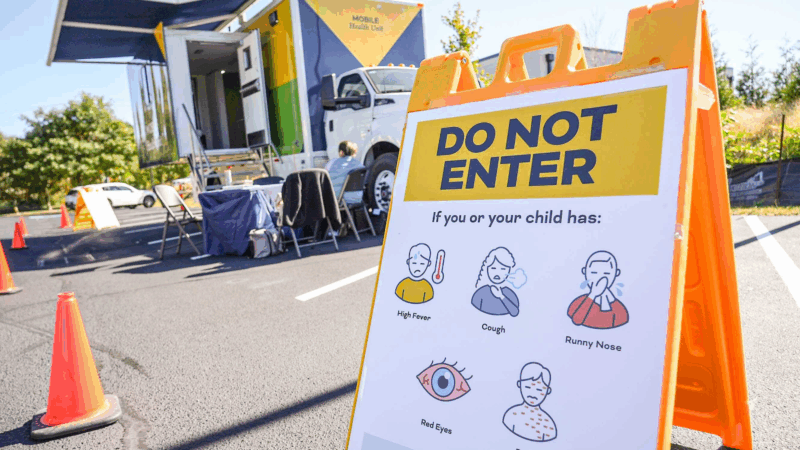
Measles is spreading fast in S.C. Here’s what it says about vaccine exemptions
More than 550 people have contracted measles in Spartanburg County, S.C., in a fast-growing outbreak. Like a majority of U.S. counties, nonmedical exemptions to school vaccination are also rising.
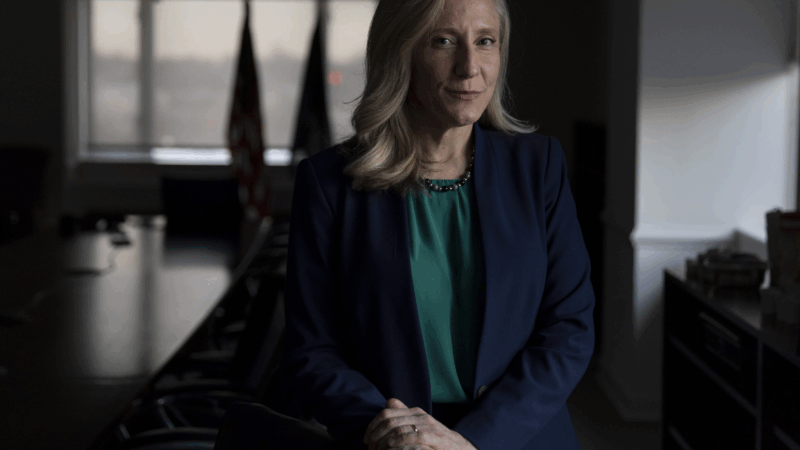
It took 75 governors to elect a woman. Spanberger will soon be at Virginia’s helm
Abigail Spanberger, a former CIA officer and three-term congresswoman, is breaking long-held traditions on inauguration day. She says she wants her swearing-in to showcase the state's modern vibrancy.
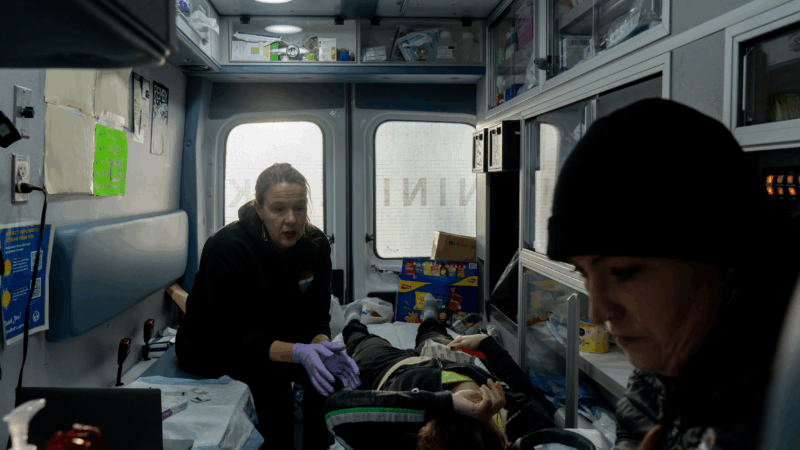
For those with addiction, going into and coming out of prison can be a minefield.
Many jails and prisons around the country don't provide medication treatment for opioid use disorder. Studies show that medication makes recovery more likely and reduces the risk of overdose death.

Trump struck deals with 16 drug companies. But they’re still raising prices this year
All 16 drug companies that inked deals with the Trump administration over the past few months still raised some of their prices for 2026.
This hospice has a bold new mission: saving lives
A hospice in Uganda asked itself: Can we do more than ease the pain of dying? Can we actually prevent deaths from cervical and breast cancer?
