
Retail sales jump as people rush to buy cars ahead of tariffs

Retail spending — one of the key drivers in the economy — saw its biggest jump in more than two years during March, as more people rushed to buy cars and other big-ticket items ahead of President Trump’s new tariffs.
Spending at stores, restaurants and car dealerships grew 1.4% in March compared to February, according to Wednesday’s data from the Commerce Department. That’s the biggest increase since January 2023 — and the driver was mainly autos.
Spending on cars, trucks and auto parts rose more than 5% over last month.
Automakers have offered discounts and shoppers rushed to auto lots in anticipation of prices rising as a result of new tariffs, which Trump announced last month and started applying for many imported vehicles early in April.
The car data group Cox Automotive had reported March as delivering the hottest new car sales in four years. Economists at Cox Automotive now predict the car-buying might last a couple of months before tariff-fueled price increases would cause sales to slow.
Even with a notable rise in retail sales last month, there are concerns that consumer spending could wane as the wider effects of tariffs kick in. Major retailers and big brands have begun scaling back their financial forecasts for the year.
The latest survey of consumer sentiment by the University of Michigan is noting steep declines in how people feel about the future of the economy, as anxiety rises over tariffs’ impact on prices. But March data, for now, still has people spending generously — on building and gardening supplies, sporting goods and going out to eat.
“The job market is holding tough and incomes are rising, and those are the main factors that drive consumer spending,” said Robert Frick, an economist at Navy Federal Credit Union, in a statement.
For comparison, retail spending in February barely rose, and it declined in January. Compared to a year ago, retail sales in March increased 4.6%.
NPR’s Camila Domonoske contributed to this report.

When a horse whinnies, there’s more than meets the ear
A new study finds that horse whinnies are made of both a high and a low frequency, generated by different parts of the vocal tract. The two-tone sound may help horses convey more complex information.

Trump’s many tariff tools mean consumer prices won’t go down, analysts say
The Supreme Court struck down President Trump's signature tariffs. But the president has other tariff tools, and consumers shouldn't expect cheaper prices anytime soon, economists say.
Hundreds of American nurses choose Canada over the U.S. under Trump
More than 1,000 American nurses have successfully applied for licensure in British Columbia since April, a massive increase over prior years.

Tax credits for solar panels are available, but the catch is you can’t own them
Rooftop solar installers are steering customers toward leases instead of purchases. Federal tax credits for purchased systems have ended but are still available for leased ones.
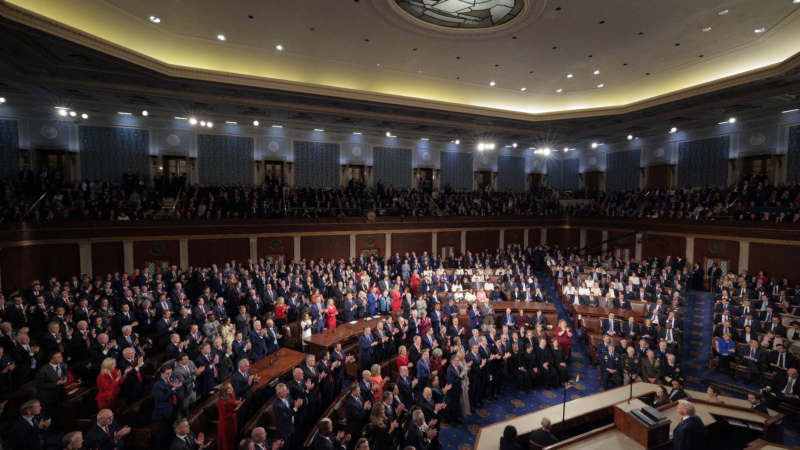
5 takeaways from Trump’s State of the Union address
President Trump hit familiar notes on immigration and culture in his speech Tuesday night, but he largely underplayed the economic problems that voters say they are most concerned about.

China restricts exports to 40 Japanese entities with ties to military
China on Tuesday restricted exports to 40 Japanese entities it says are contributing to Japan's "remilitarization," in the latest escalation of tensions with Tokyo.
