
Raila Odinga, Kenya’s former Prime Minister, dies at 80
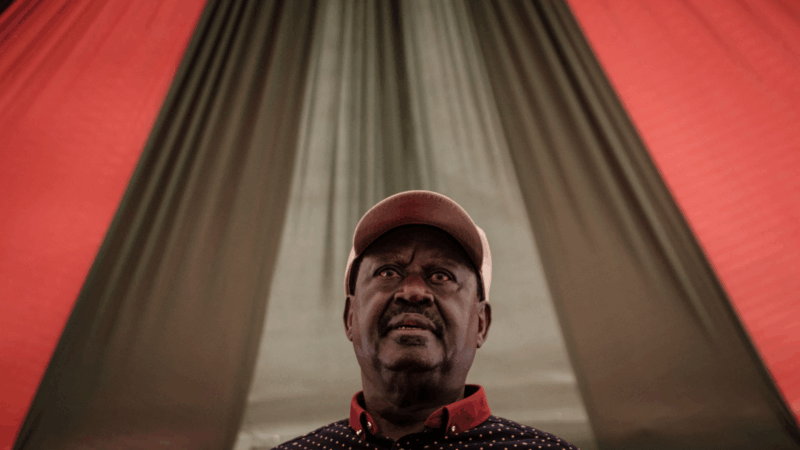
Kenya’s former Prime Minister and veteran opposition leader Raila Odinga has died at the age of 80. Widely regarded as one of the country’s most influential political figures, Odinga shaped Kenya’s modern democracy over a career spanning more than four decades.
The Devamatha Hospital in Kerala, India, confirmed his death after he suffered a cardiac arrest during a morning walk on Wednesday.
Odinga ran for president five times without success, including in the disputed 2007 election that triggered widespread ethnic violence, leaving nearly 1,000 people dead.
In a live address to the nation, Kenya’s President William Ruto, declared seven days of national mourning. He paid tribute to Odinga as “the father of our democracy,” and a “giant” of Kenyan politics.
“Raila Amolo Odinga was a once-in-a-generation leader — a man whose ideals rose above politics and whose legacy will continue to shape Kenya’s destiny,” Ruto said.
Despite never attaining the presidency, he was credited with helping dismantle Kenya’s one-party rule under Daniel arap Moi in 1992 and championing the progressive 2010 constitution, which ushered in far-reaching political reforms.

In recent months, Odinga made headlines for signing a political deal with President William Ruto, following weeks of youth-led anti-government protests that left hundreds dead. The move divided opinion in Kenya but underscored Odinga’s enduring role as a political power broker.
Born in 1945 western Kenya, Odinga commanded a passionate and loyal following across the country — from his home region to Nairobi’s Kibera, one of Africa’s largest slums, where his support ran deep.
See the Oscars red carpet looks
Stars are arriving for the Academy Awards. The show starts at 7 p.m. ET, 4 p.m. PT on ABC and Hulu.
Selection Sunday is here. Here’s what to know ahead of March Madness
Brackets for the men's and women's NCAA basketball tournaments are set to be revealed. Duke is expected to be the men's top overall seed. The undefeated UConn Huskies will likely lead the women's.
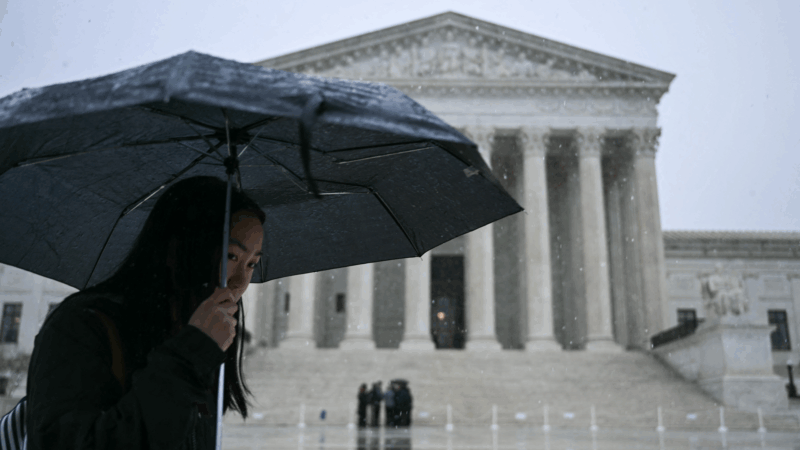
Snow and wind batter parts of US, with threat of thunderstorms and tornadoes
A broad and erratic patchwork of severe weather rumbled across much of the U.S. on Sunday, dumping heavy snow in the Upper Midwest while damaging high winds swept across the Plains.
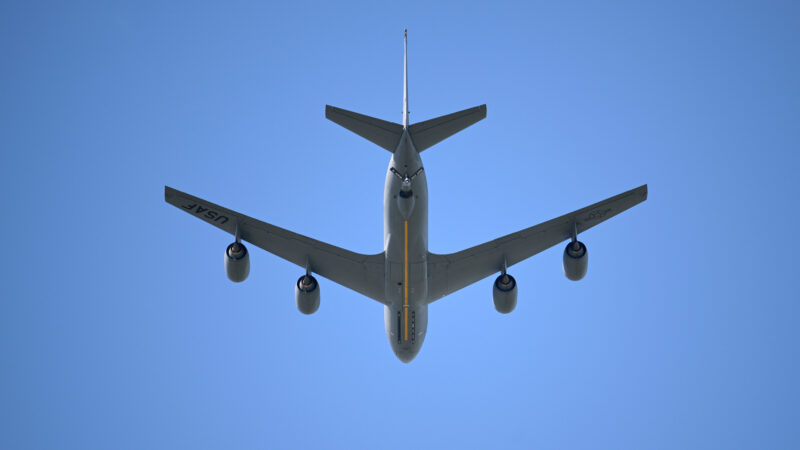
Crew of fatal US military crash included Alabama father recently deployed
The six U.S. service members who died in the crash of a U.S. military refueling aircraft included an Alabama father who had just been promoted and deployed. The U.S. government released the identities of the deceased service members Saturday.
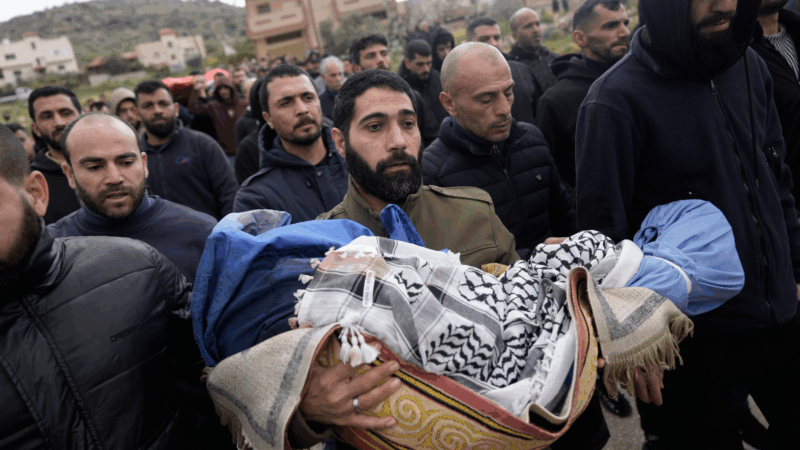
Israeli soldiers fire on family car in occupied West Bank, killing 4
Israeli soldiers fired on a car carrying a family in the northern West Bank, killing four people including two children, the Palestinian Authority's Health Ministry said.

U.S. military names six killed in plane crash as Iran war enters third week
The conflict in the Middle East has entered a third week, with Israel announcing a barrage of new strikes on western Iran on Sunday, while the U.S. defense department released the names of six service members who died when their military refueling aircraft crashed.
