
Questions remain about deceased Israeli hostages in Gaza
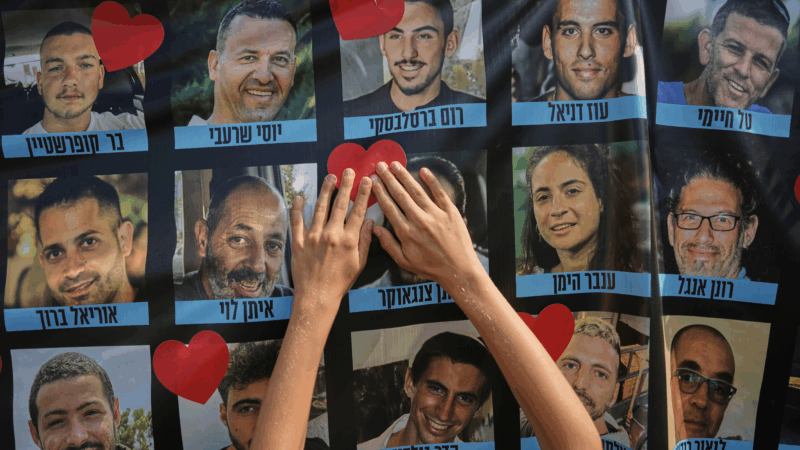
TEL AVIV, Israel — The tenuous ceasefire in the two-year Israel-Hamas war was holding Tuesday even as complex issues remained ahead, a day after widespread jubilation over the return to Israel of the last 20 living hostages held in Gaza and the release of hundreds of Palestinian prisoners and detainees in exchange.
The list of more immediate questions includes those on when Hamas will return to Israel the bodies of the 24 hostages believed to be dead in Gaza, as well as the health conditions of the released hostages and freed Palestinians.
Only four of the deceased hostages — whose release is also part of the first phase of the ceasefire deal brokered by U.S. President Donald Trump — were turned over to Israeli authorities on Monday. On Tuesday, the Israeli military identified two of them — Guy Illouz from Israel and Bipin Joshi, a student from Nepal.

The two men were both in their 20s when Hamas-led militants took them during the Oct. 7, 2023 attack on that ignited the war – Illouz from the Nova music festival and Joshi from a bomb shelter.
Israel said Illouz died of his wounds while being held captive without proper medical treatment, while Joshi was murdered in captivity in the first months of the war — adding that the National Center of Forensic Medicine would later provide the final cause of death.
The freed Israeli hostages were in medical care on Tuesday, and some families said it would be weeks before the men could go home. In the West Bank and Gaza, where hundreds of prisoners were released, several were also taken to hospitals.
Separately, the Israeli military said troops in the northern Gaza Strip had “opened fire to remove the threat” of several people approaching them on Tuesday across the “yellow line” and not complying with orders to stop. It didn’t immediately comment on any casualties in the incident.
Part of the ceasefire agreement is that Israel would pull back in Gaza to the so-called yellow line where its forces were in August, before launching their latest offensive on the Gaza City in the strip’s north.
Longer-term issues also hang in the balance, including whether Hamas will disarm, who will govern and help rebuild Gaza, and the overarching question of Palestinian statehood, which is central for Palestinians and many countries in the region.
“The first steps to peace are always the hardest,” Trump had said as he stood with foreign leaders in Egypt on Monday for a summit on Gaza’s future. He hailed the ceasefire deal he brokered between Israel and Hamas as the end of the war in Gaza — and start of rebuilding the devastated territory.
On Tuesday, the U.N. development agency said the latest joint estimate from the U.N., the European Union and the World Bank is that $70 billion will be required to rebuild Gaza. Jaco Cillers, special representative of UNDP administrator for a program to help Palestinians, said $20 billion would be needed in the next three years, and the rest would be needed over a longer period — possibly decades.
In Egypt, Trump urged regional leaders to “put old feuds aside” as world leaders met to discuss the challenges ahead in securing a lasting peace. Representatives from Israel or Hamas were not at the summit.

Why the Chicago Bears could be moving to Indiana
While Illinois is trying to keep the team in Chicago's suburbs, Indiana lawmakers are offering a plan to finance a new stadium
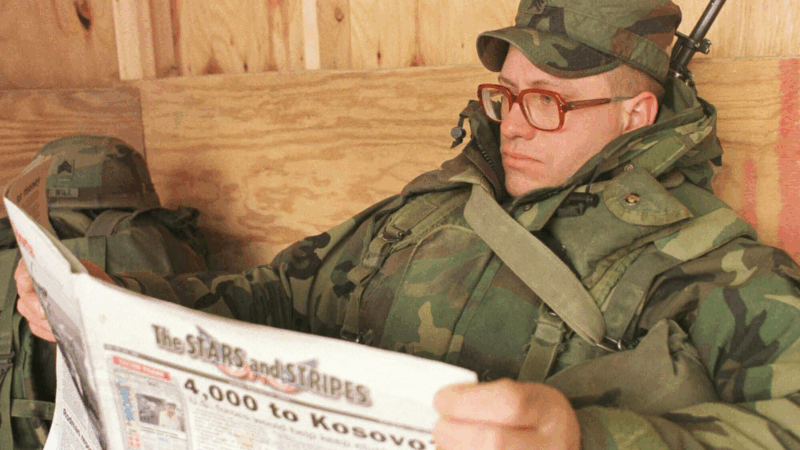
Pentagon tightens controls over Stars and Stripes after calling it “woke”
The new rules for the independent military newspaper are the Defense Department's latest effort to put extraordinary restrictions on journalists covering the agency.

‘War of the Worlds’ remake sinks to the bottom at this year’s Razzie Awards
The surveillance industry version of HG Wells' 1898 classic sci-fi novel stars Ice Cube, and won accolades for worst picture, actor, director and more.
Russian strike on Kyiv region kills 4 and wounds 15, with peace talks stalled
The strikes comes after the United States paused ceasefire talks between Russia and Ukraine due to the war with Iran.
As the risk of measles grows, why are parents so divided on vaccines?
In South Carolina, some parents embrace vaccines, others opt out. Why do people make such different choices? A mix of politics, distrust and misinformation is pushing neighbors apart.
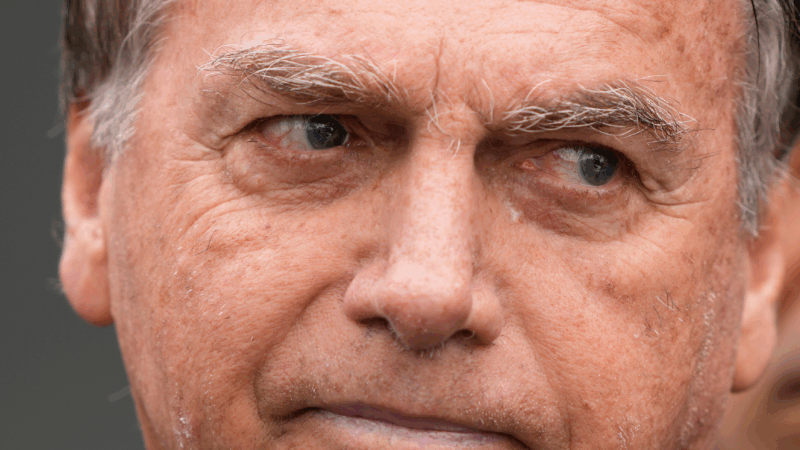
Brazil’s ex-President Bolsonaro is in intensive care with pneumonia, hospital says
One of Bolsonaro's doctor's described the former Brazilian president's medical condition as "serious."
