
Pope Leo criticizes political nationalism and prays for reconciliation and dialogue

VATICAN CITY — Pope Leo XIV criticized the surge of nationalist political movements in the world as he prayed Sunday for reconciliation and dialogue — a message in line with his pledges to make the Catholic Church a symbol of peace.
The pope celebrated Sunday Mass in St. Peter’s Square in front of tens of thousands faithful, and asked the Holy Spirit to “break down barriers and tear down the walls of indifference and hatred.”
“Where there is love, there is no room for prejudice, for ‘security’ zones separating us from our neighbors, for the exclusionary mindset that, tragically, we now see emerging also in political nationalisms,” the first American pontiff said.
He did not name any specific country or politician.
Leo also recalled the words of late Pope Francis, who — on the feast of Pentecost in May 2023 — observed that in our world “we are all connected, yet find ourselves disconnected from one another, anaesthetized by indifference and overwhelmed by solitude.”
The pope also condemned wars, which “are plaguing our world,” and asked the Holy Spirit for “the gift of peace.”
“First of all, peace in our hearts, for only a peaceful heart can spread peace in the family, society and international relations,” Leo said, then prayed for reconciliation and dialogue wherever there is war in the world.
Soon after becoming pope, Leo pledged to work for unity and peace. His first message, “Peace be with you all,” set the importance of peace as a pillar of his papacy.
He has also appealed for a genuine and just peace in Ukraine and a ceasefire in Gaza.
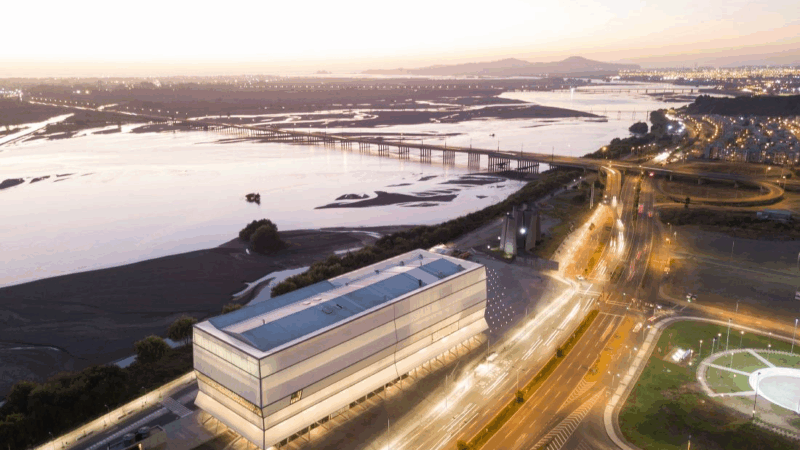
Chilean Smiljan Radić Clarke wins architecture’s highest honor
The Pritzker Prize was awarded Thursday. "In every work, he is able to answer with radical originality, making the unobvious obvious," said fellow Chilean architect and prize chair Alejandro Aravena.
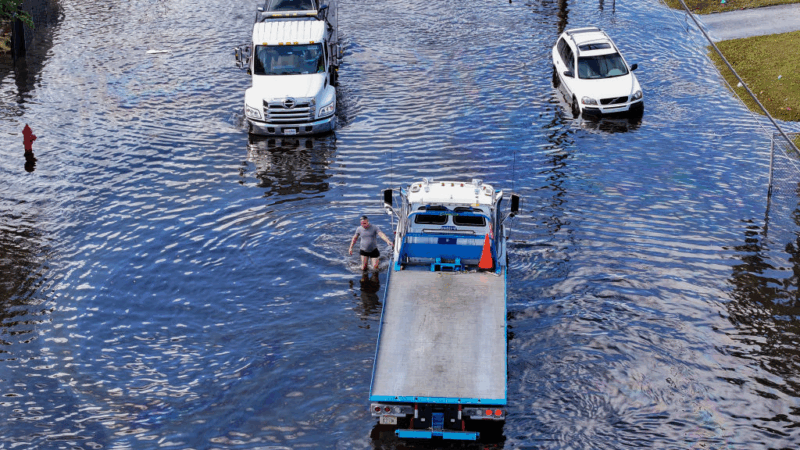
El Niño is set to take hold this summer, driving up global temperatures
A potentially strong El Niño weather pattern will likely emerge this summer and persist through the rest of the year. The hottest years on record generally occur in years when El Niño is active.
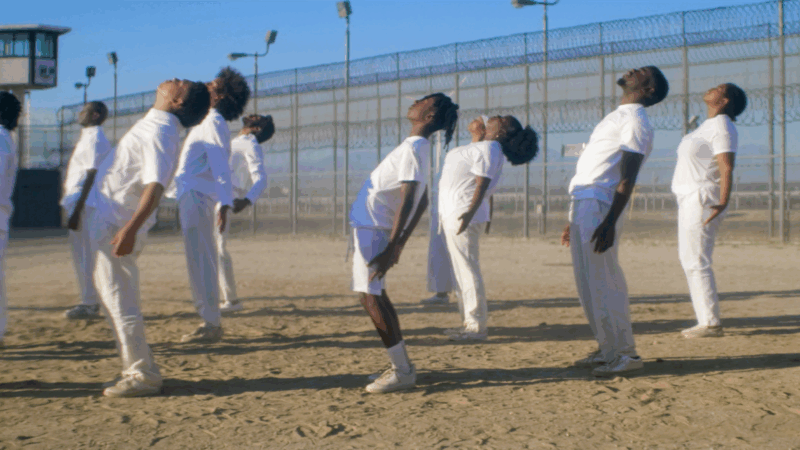
‘Songs from the Hole’: The story behind JJ’88’s documentary and visual album
The visual album and documentary Songs from the Hole tells the story of James Jacobs, the hip-hop artist JJ'88, as he reflects on his coming-of-age within California's state prison system.
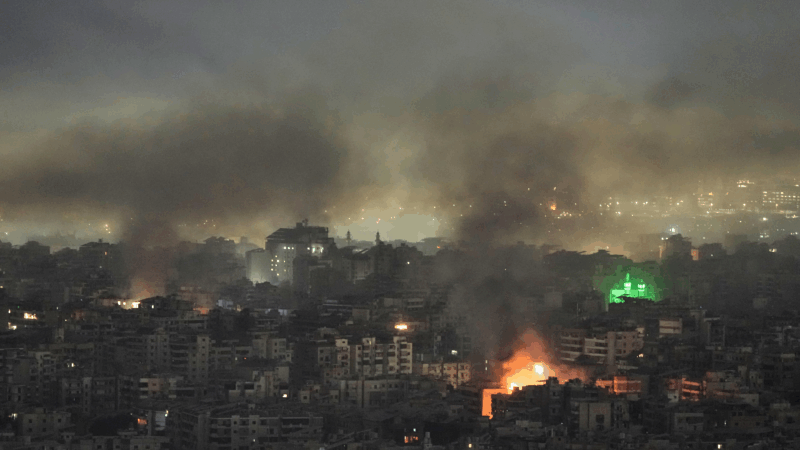
Oil price surges as Iran steps up attacks on ships in the Persian Gulf
Markets seesawed on Day 13 of the war in the Middle East, as two oil tankers were struck by projectiles near Iraq's southern ports and attacks between Israel and Hezbollah intensified.
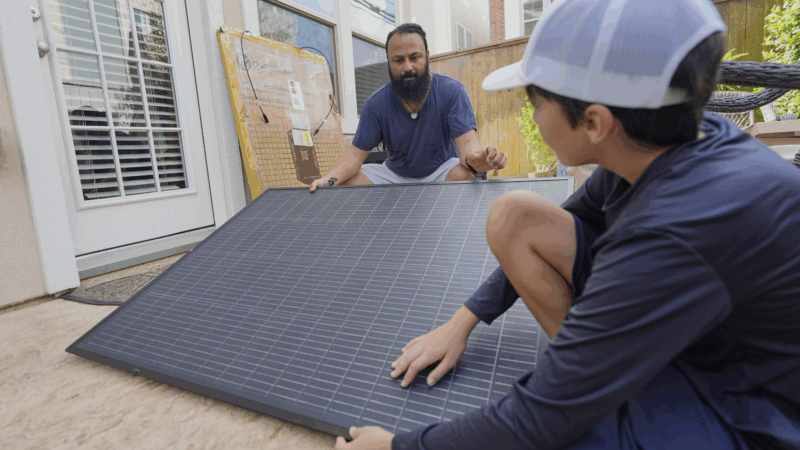
Easy-to-use solar panels are coming, but utilities are trying to delay them
Utilities are convincing lawmakers around the U.S. to delay bills that would allow people to buy solar panels, plug them into an outlet and begin generating electricity.
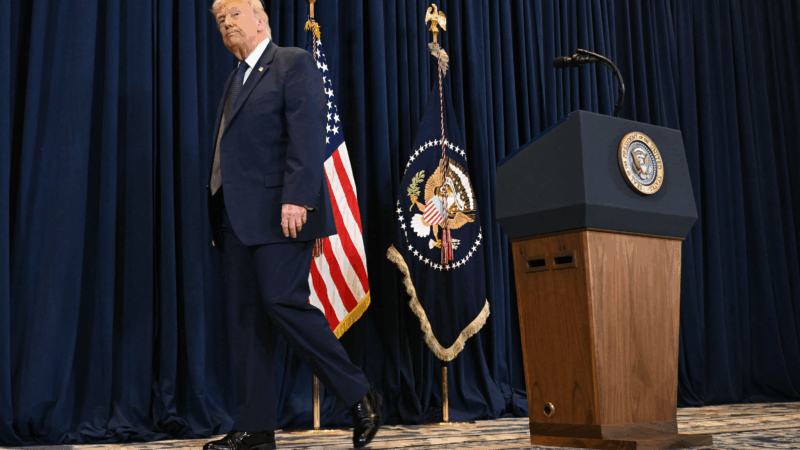
Trump’s war with Iran is angering some swing voters who want money spent at home
Swing voters who helped reelect President Trump in 2024 don't support his decision to go to war in Iran and instead want to see U.S. tax dollars spent tackling economic pressures facing Americans.
