
Pope Francis died of a stroke and ‘cardiocirculatory collapse’

The Vatican says Pope Francis died of a “a stroke, followed by a coma and irreversible cardiocirculatory collapse.”
The official certification came from professor Andrea Arcangeli, the director of the Directorate of Health and Hygiene of the Vatican City State, according to Vatican News, an official publication of the Vatican.
Francis had a “prior history of acute respiratory failure caused by multimicrobial bilateral pneumonia, multiple bronchiectases, high blood pressure, and type II diabetes,” the medical report said.
The pope’s death was confirmed using electrocardiographic thanatography, Vatican News reported.
Francis was hospitalized for over a month earlier this year for a lengthy illness, which included a severe respiratory infection and bilateral pneumonia.
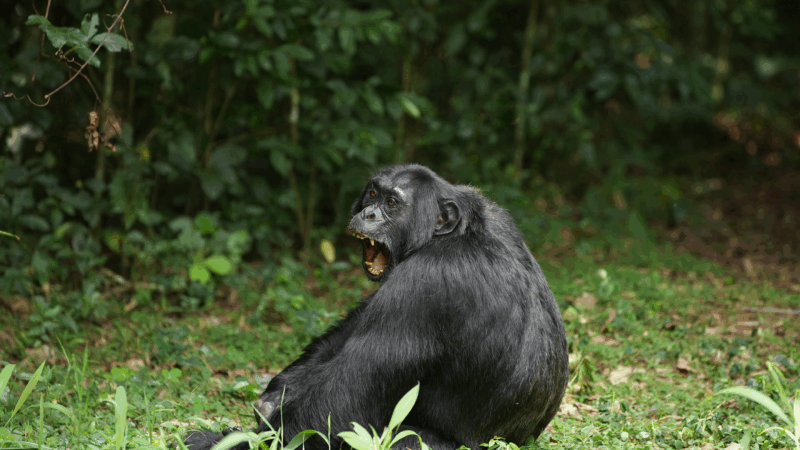
Chimps’ taste for fermented fruit hints at origins of human love of alcohol
Scientists analyzed the urine of wild chimpanzees who'd feasted on fallen fruit to see how much alcohol they consumed from the fermented sugars.

12 years on, renewed hunt for missing Malaysia Airlines flight comes up empty
Twelve years after Malaysia Airlines Flight MH370 vanished with 239 people aboard, a deep-sea search has so far failed to locate the missing aircraft, as families pressed for the effort to continue.

U.S. military kills 6 in strike on alleged drug boat in the Eastern Pacific
Sunday's attack brought the death toll to at least 157 people since the Trump administration began targeting alleged drug-smuggling vessels, in early September.

Video appears to show U.S. cruise missile striking Iranian school compound
The seven-second video was released by Iranian state media and directly contradicts statements made by President Trump, who said Iran was responsible for the strike.
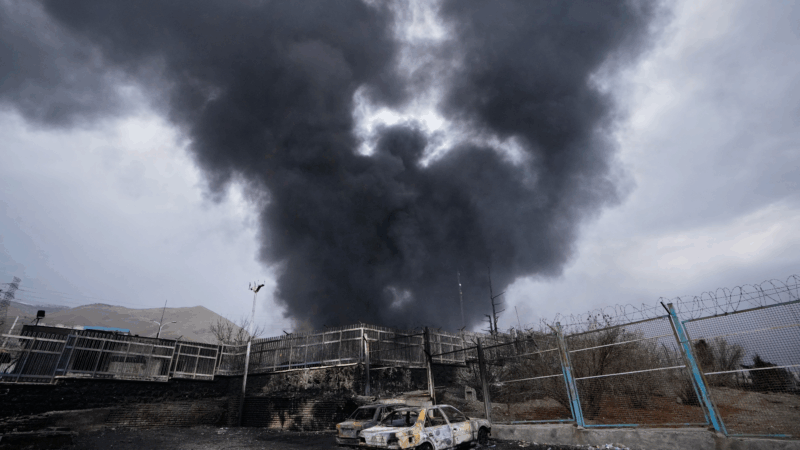
Crude oil rockets past $100 as markets lose hope for a quick resolution in Iran
Brent crude reached its highest price since Russia invaded Ukraine in 2022. Gasoline prices in the U.S. are expected to continue to rise.
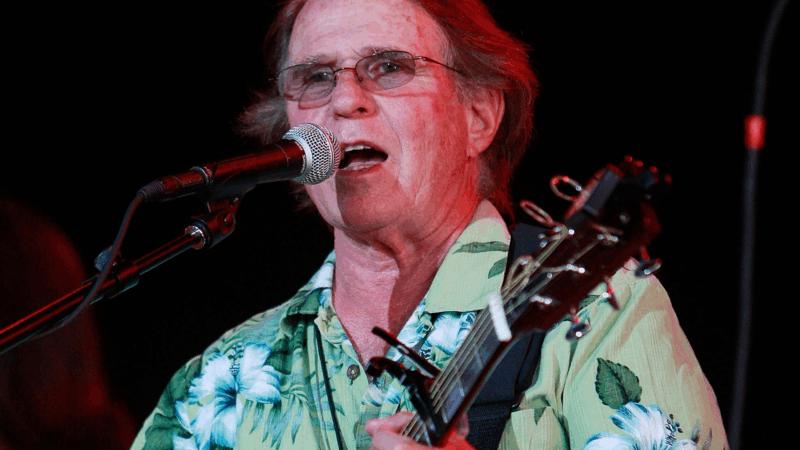
Country Joe McDonald, anti-war singer who electrified Woodstock, dies at 84
Country Joe and the Fish's best-known song, "I-Feel-Like-I'm-Fixin'-to-Die Rag," captured the growing anti-war sentiment of the Vietnam era.
