Peru: Chicha Cumbia, the electric pulse of Lima

Pedro Tolomeo Rojas, known as Monky, enters his studio in Lima on Oct. 21, 2024. Monky was a pioneer in the making of the posters that publicize cumbia concerts and are now considered chicha art. His posters still cover Lima and cities beyond, advertising upcoming concerts.
Pedro Tolomeo Rojas, known as Monky, enters his studio in Lima on Oct. 21, 2024. Monky was a pioneer in the making of the posters that publicize cumbia concerts and are now considered chicha art. His posters still cover Lima and cities beyond, advertising upcoming concerts. (Ivan Kashinsky)

This is part of a special series, Cumbia Across Latin America, a visual report across six countries developed over several years, covering the people, places and cultures that keep this music genre alive.

The people of Peru have many definitions for the word chicha: a sacred fermented corn drink, popular culture, popular art and, of course, Peruvian cumbia. It has also been used as a derogatory term, mocking immigrant culture in Lima during the mass migrations of Indigenous Andean people to Lima in the 20th century. When it comes to music, the term has become extremely controversial.
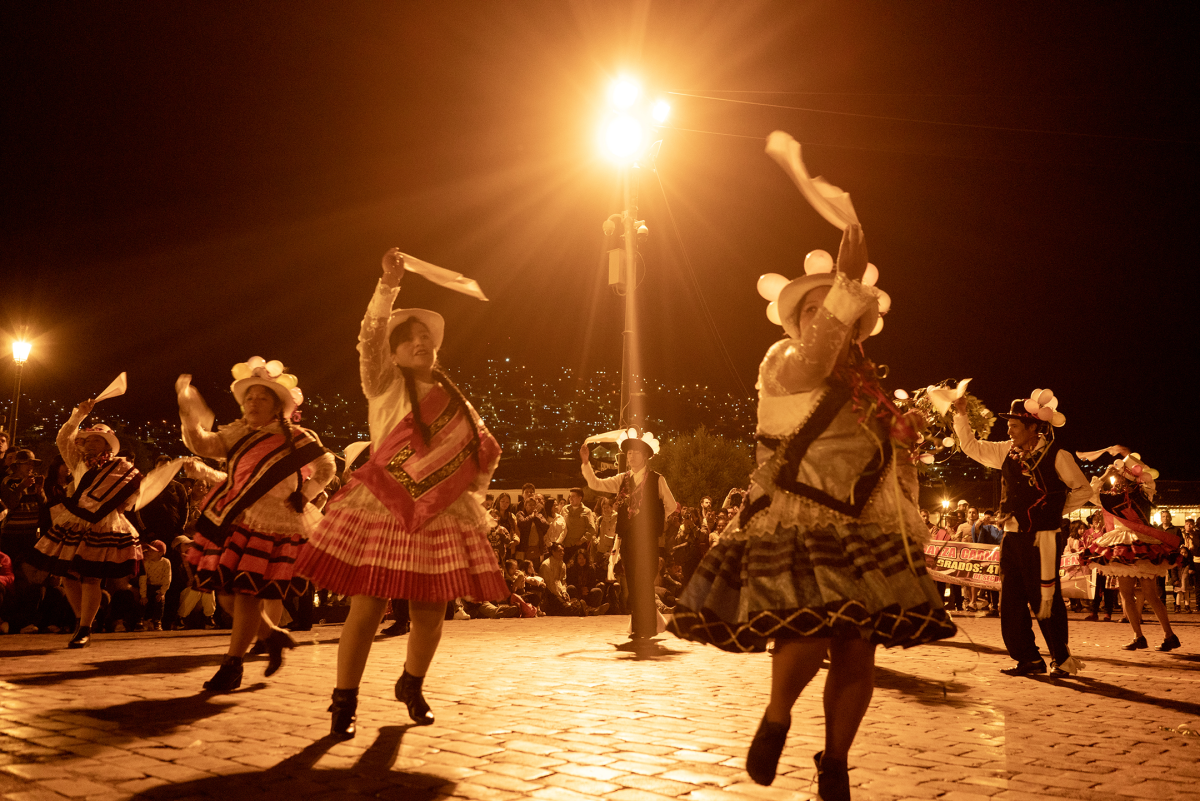
High school students dance folkloric music, such as huayno, in the Plaza de Armas in Cusco, Peru, on Nov. 3, 2024.
High school students dance folkloric music, such as huayno, in the Plaza de Armas in Cusco, Peru, on Nov. 3, 2024. (Ivan Kashinsky)
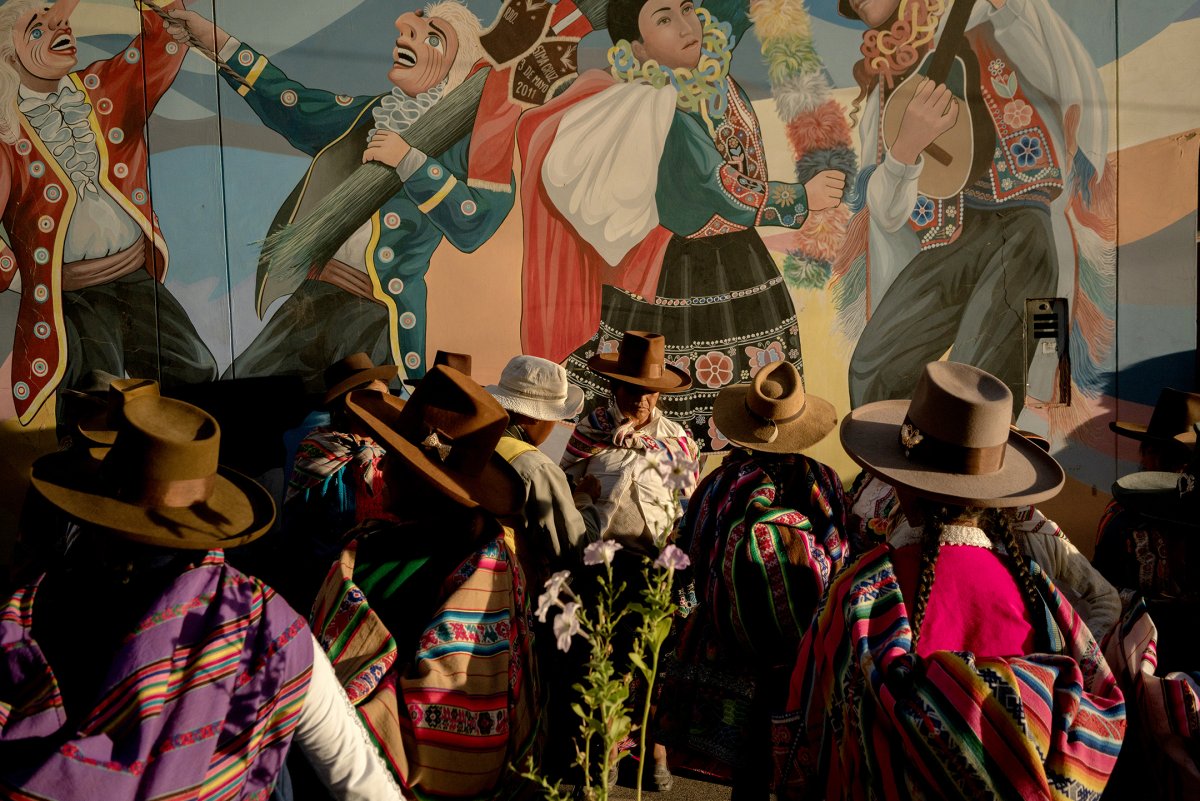
Women gather after a celebration for the 137th anniversary for the city of Sicuani, Peru, on Nov. 4, 2024. Armonía 10, a Peruvian orchestra that plays cumbia and was originally founded in 1972, played in Sicuani that night.
Women gather after a celebration for the 137th anniversary for the city of Sicuani, Peru, on Nov. 4, 2024. Armonía 10, a Peruvian orchestra that plays cumbia and was originally founded in 1972, played in Sicuani that night. (Ivan Kashinsky)
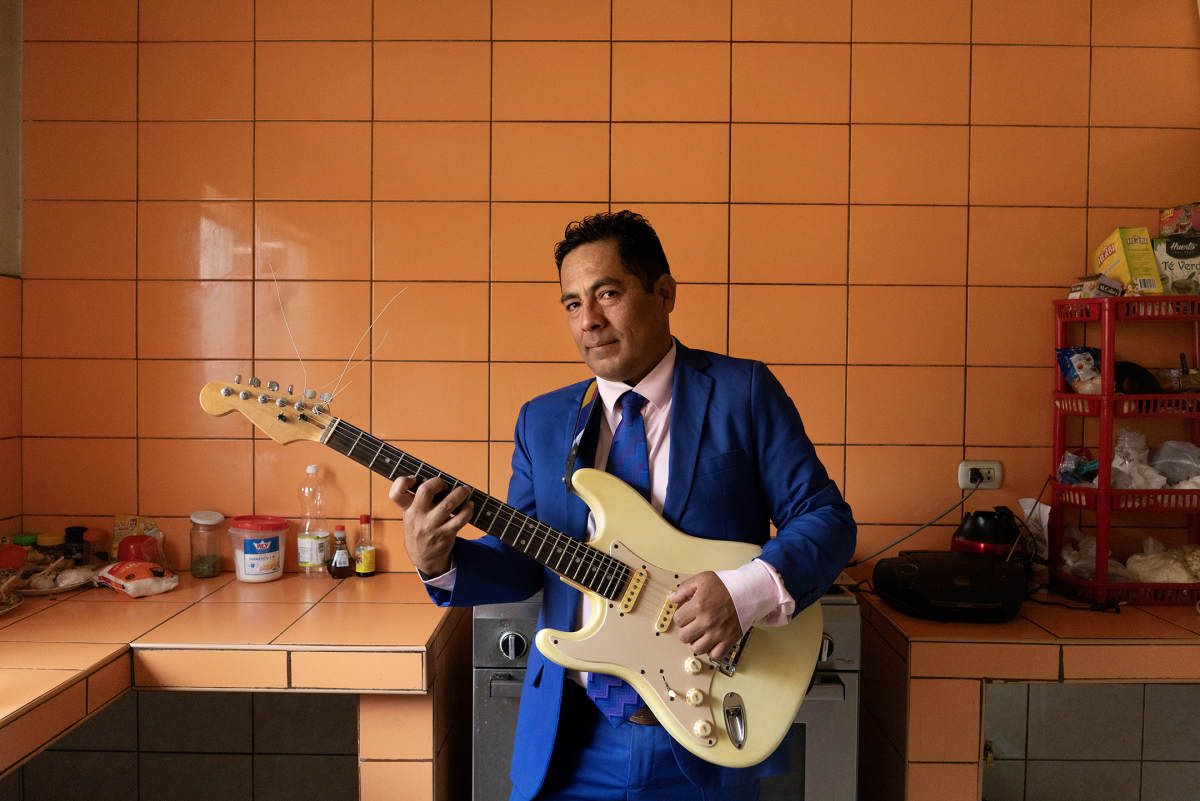
Berardo Hernández Jr., known as Manzanita Jr., holds his guitar in his kitchen in Lima, Peru, on Nov. 2, 2024. Hernández's father, Manzanita, is known for having a part in creating chicha's sound.
Berardo Hernández Jr., known as Manzanita Jr., holds his guitar in his kitchen in Lima, Peru, on Nov. 2, 2024. Hernández’s father, Manzanita, is known for having a part in creating chicha’s sound. (Ivan Kashinsky)

In a small peña, or neighborhood club, in Lima, two legends — Berardo Hernandez Jr., the son of Manzanita, and Pancho Acosta, of Compay Quinto — filled the venue with intricate and melodic electric guitar sounds, soloing at a rapid pace, using their fingers instead of picks. Fans smiled and danced, soaking in the magical sonic experience. Acosta, Manzanita and Enrique Delgado, of Los Destellos, all had a part in creating the chicha genre, which emphasized electric guitar and was uniquely Peruvian.

Berardo, known as Manzanita Jr., aligns with the theory that all Peruvian cumbia can be considered chicha. Pancho, on the other hand, insists that chicha is specifically Tropical Andina, a sub-genre that mixes Colombian cumbia with Andean folkloric music, known as huayno. Alfredo Villar, an author and art historian, says chicha “is the most complex moment of Peruvian identity, because it mixes everything — from its deepest roots to its most extreme and complex external influences. This is why it is so difficult to define … Chicha will always surprise you.”

People drink chicha in Calca, Peru, on Nov. 6, 2024. A fermented corn drink, chicha was sacred to the Indigenous of the region before it became a term to describe Peruvian cumbia.
People drink chicha in Calca, Peru, on Nov. 6, 2024. A fermented corn drink, chicha was sacred to the Indigenous of the region before it became a term to describe Peruvian cumbia. (Ivan Kashinsky)
A woman stands next to an 'Inca cuy' in Lamay, Peru, on Nov. 6, 2024. Like chica, the fermented corn drink, cuyes, or guinea pigs, were sacred to the Indigenous of the region.
A woman stands next to an “Inca cuy” in Lamay, Peru, on Nov. 6, 2024. Like chica, the fermented corn drink, cuyes, or guinea pigs, were sacred to the Indigenous of the region. (Ivan Kashinsky)
Helner Misael Sánchez Casanova, known as Tacto, a member of Los Wembler's de Iquitos, plays a bombo in his house in Iquitos, Peru, on Oct. 26, 2024. Los Wembler's was founded in 1968 and was one of the first to play a new sub-genre of Peruvian cumbia, known a cumbia Amazonica. The band mixed Colombian cumbia with Amazonian rhythms, psychedelic electric guitar, animal sounds from the jungle and other styles of music to create a unique genre.
Helner Misael Sánchez Casanova, known as Tacto, a member of Los Wembler’s de Iquitos, plays a bombo in his house in Iquitos, Peru, on Oct. 26, 2024. Los Wembler’s was founded in 1968 and was one of the first to play a new sub-genre of Peruvian cumbia, known a cumbia Amazonica. The band mixed Colombian cumbia with Amazonian rhythms, psychedelic electric guitar, animal sounds from the jungle and other styles of music to create a unique genre. (Ivan Kashinsky)
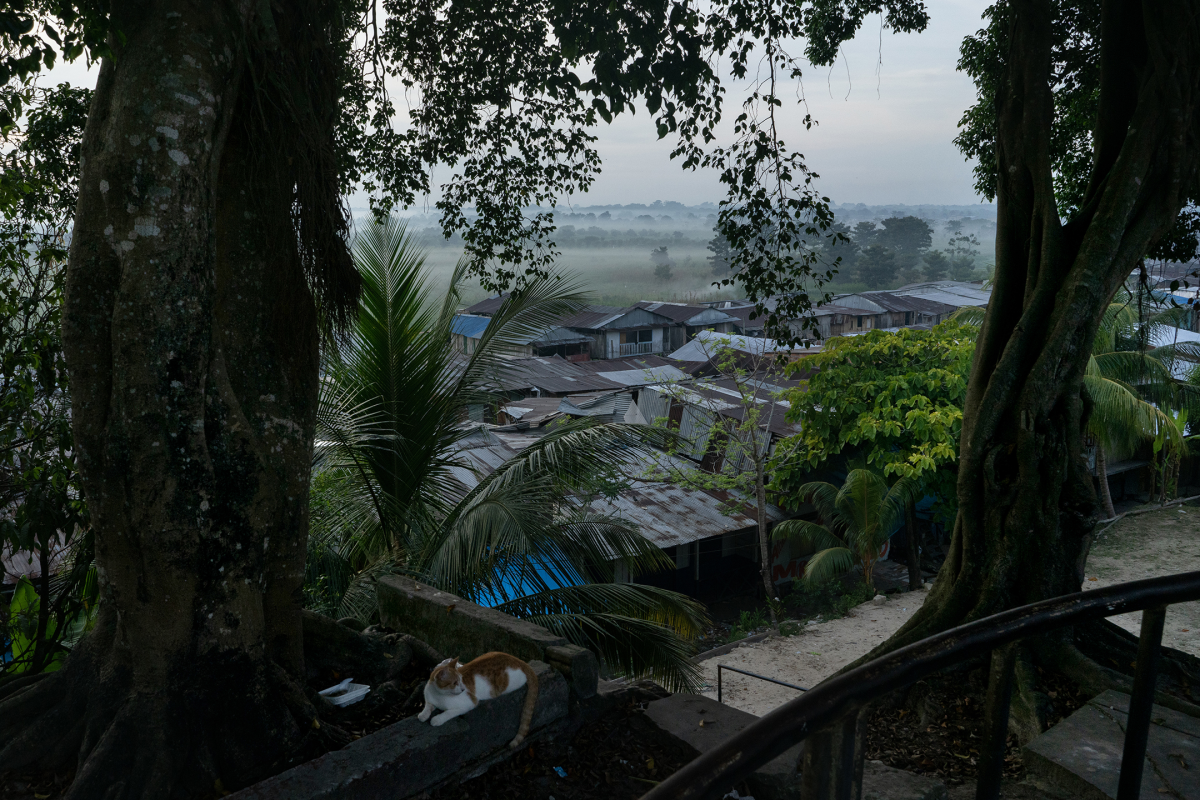
A view of the barrio of Belén seen from the city of Iquitos, Peru, on Oct. 26, 2024.
A view of the barrio of Belén seen from the city of Iquitos, Peru, on Oct. 26, 2024. (Ivan Kashinsky)

The inconceivable mix of Colombian cumbia, Cuban guaracha, Andean huayno and psychedelic rock, as well as countless other genres, including jazz and bossa nova, that melted together in Lima at the end of the 1960s created a truly delicious sound. Chicha peaked in the ’80s as Lorenzo Palacios Quispe, known as Chacalón or El Faraón de la Cumbia, and Los Shapis, an Andean band from Huancayo, brought chicha to the masses.

Art by José 'Ashuco' Araujo, a Amazonian chicha artist, covers the walls of El Refugio, a bar in Iquitos, Peru, that's known for live cumbia as and couples dance and talk on Oct. 26, 2024.
Art by José “Ashuco” Araujo, a Amazonian chicha artist, covers the walls of El Refugio, a bar in Iquitos, Peru, that’s known for live cumbia as and couples dance and talk on Oct. 26, 2024. (Ivan Kashinsky)
Alfredo Villar Luquin, a writer who has immersed himself in the world of chicha, puts his hand over a painting of Chacalón in his house on Nov. 11, 2024. The painting is by Pedro Tolomeo Rojas, the pioneering chicha artist better known by 'Monky.' Lorenzo Palacios Quispe, known as Chacalón, brought chicha to the masses in Lima.
Alfredo Villar Luquin, a writer who has immersed himself in the world of chicha, puts his hand over a painting of Chacalón in his house on Nov. 11, 2024. The painting is by Pedro Tolomeo Rojas, the pioneering chicha artist better known by “Monky.” Lorenzo Palacios Quispe, known as Chacalón, brought chicha to the masses in Lima. (Ivan Kashinsky)
Fans of Armonía 10 watch as the band plays at the 137th anniversary celebration for the city of Sicuani, Peru, on Nov. 4, 2024. A Peruvian orchestra that plays cumbia, Armonía 10 was originally founded in 1972.
Fans of Armonía 10 watch as the band plays at the 137th anniversary celebration for the city of Sicuani, Peru, on Nov. 4, 2024. A Peruvian orchestra that plays cumbia, Armonía 10 was originally founded in 1972. (Ivan Kashinsky)

Chacalón, who was the son of migrant parents and grew up in a barrio on the cerro of San Cosme, working odd jobs, became a megastar among marginalized migrants in the capital. Thousands would come down from the barrios on the mountains above Lima to see him sing from the heart about the struggles of daily life and the migrant experience, giving birth to the saying, “When Chacolón sings, the mountains come down.” Los Shapis made history in 1983 when they filled a stadium in Lima, demonstrating the power of chicha and the new Andean residents of Lima. Chacalón died at the age of 44; 60,000 people attended his funeral. Los Shapis would go on to tour the world.
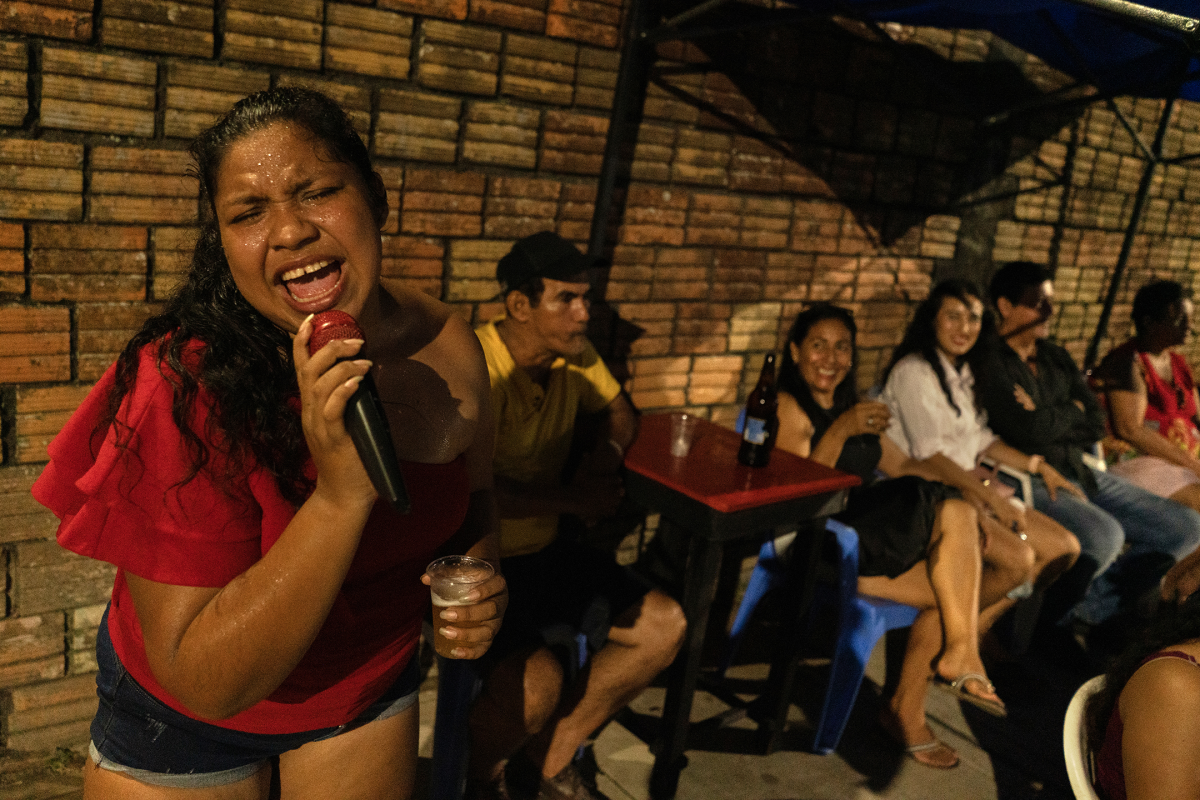
Estella Gonzalez, a member of Son Estrella, sings on the streets of Iquitos on Oct. 27, 2024, to promote the band.
Estella Gonzalez, a member of Son Estrella, sings on the streets of Iquitos on Oct. 27, 2024, to promote the band. (Ivan Kashinsky)
Jose Luis Mendoza Zapata, bongo player, and Leandro Lozada, singer of Armonía 10, pose for a photo in their hotel room before a concert in Sicuani, Peru, on Nov. 4, 2024.
Jose Luis Mendoza Zapata, bongo player, and Leandro Lozada, singer of Armonía 10, pose for a photo in their hotel room before a concert in Sicuani, Peru, on Nov. 4, 2024. (Ivan Kashinsky)
Pancho Acosta, of Compay Quinto, poses for a photo with his guitar in his home in Lima, Peru, on Nov. 2, 2024.
Pancho Acosta, of Compay Quinto, poses for a photo with his guitar in his home in Lima, Peru, on Nov. 2, 2024. (Ivan Kashinsky)

Last November, in Lima’s cemetery of El Sauce, throngs of people crowded around graves bringing food and drink to the deceased during Dia de Todos los Santos, or All Saints’ Day. As the light began to fade over the desert mountains surrounding the capital, four saxophonists played huayno music from Huancayo. The sound echoed off the walls of graves as families danced and drank beer. Chacolón could be heard from the speakers of a street vendor, and a family played Los Shapis on portable speakers while visiting their loved ones. Forty years later, chicha was still very alive in the Peruvian capital.

People sell flowers outside of a cemetery as motorcycles drive by in the Iquitos, Peru, on Oct. 28, 2024.
People sell flowers outside of a cemetery as motorcycles drive by in the Iquitos, Peru, on Oct. 28, 2024. (Ivan Kashinsky)
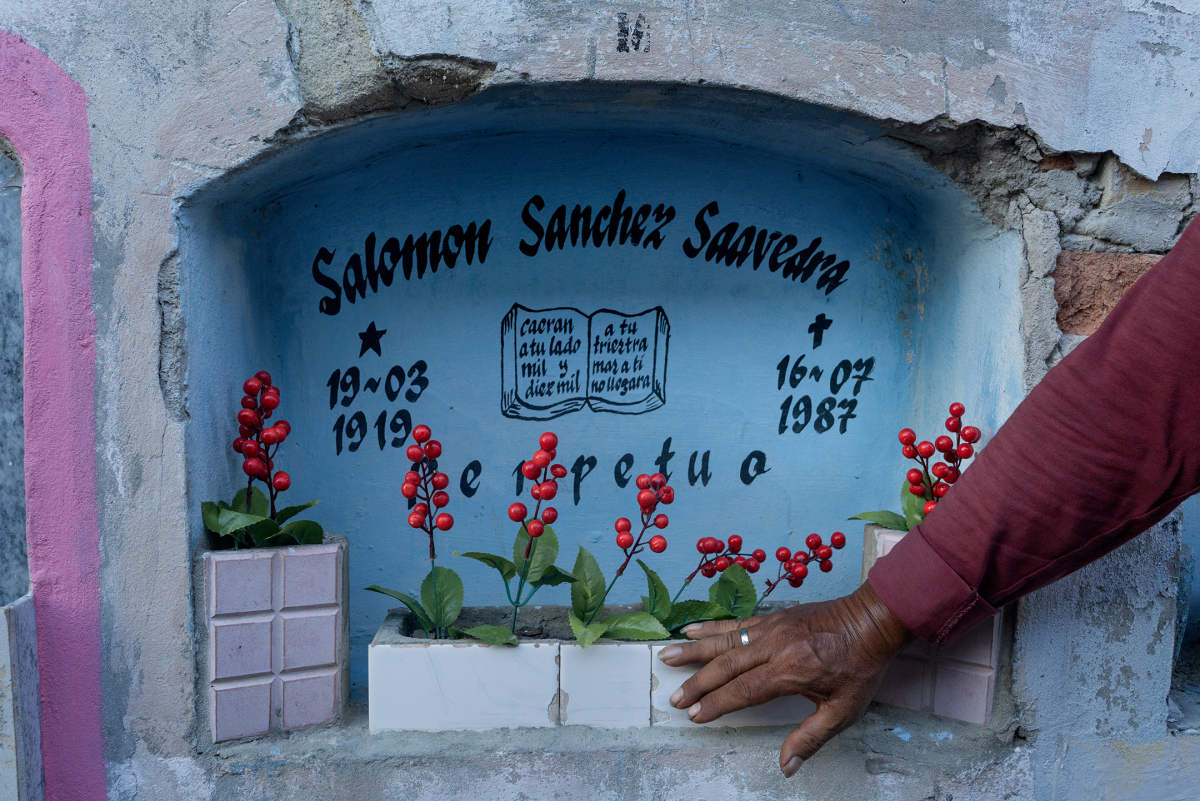
Helner Misael Sánchez Casanova, known as Tacto, a member of Los Wembler's de Iquitos, visits the grave of his father, Salomon Sánchez Saavedra, at Lima's cemetery of El Sauce on Oct. 28, 2024. Salomon founded the band with his five sons in 1968.
Helner Misael Sánchez Casanova, known as Tacto, a member of Los Wembler’s de Iquitos, visits the grave of his father, Salomon Sánchez Saavedra, at Lima’s cemetery of El Sauce on Oct. 28, 2024. Salomon founded the band with his five sons in 1968. (Ivan Kashinsky)
Four saxophonists from Huancayo, Peru, play huayno music as a family dances while they visit their deceased loved ones on Día de Todos los Santos, or All Saints' Day, in Lima's cemetery of El Sauce on Nov. 1, 2024.
Four saxophonists from Huancayo, Peru, play huayno music as a family dances while they visit their deceased loved ones on Día de Todos los Santos, or All Saints’ Day, in Lima’s cemetery of El Sauce on Nov. 1, 2024. (Ivan Kashinsky)

This coverage was made with the support of the National Geographic Explorer program.

Ivan Kashinsky is a photojournalist based in Los Angeles. You can see more of his work on his website, IvanKphoto.com, or on Instagram, at @ivankphoto.

 

Sunday Puzzle: Rhyme Time

NPR's Ayesha Rascoe plays the puzzle with WBUR listener Laurie Rose and Weekend Edition Puzzlemaster Will Shortz.

Alcaraz beats Djokovic to become the youngest man to complete a career Grand Slam

The 22-year-old Spaniard's win against 38-year-old rival Novak Djokovic at Sunday's Australian Open makes him the youngest male player to win all four major tournaments.
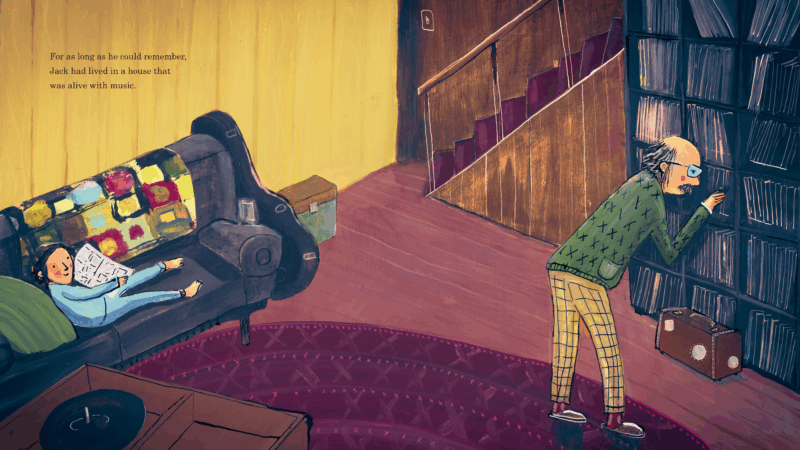
You already know the song — now, ‘The One About the Blackbird’ is also a picture book

In The One About the Blackbird, a young boy learns to play guitar from his grandfather. And there's one song in particular that they love…
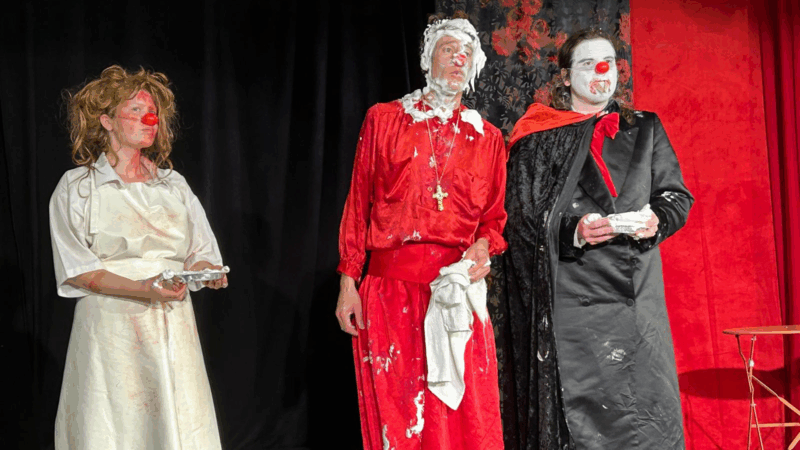
At a clown school near Paris, failure is the lesson

For decades, students at the Ecole Philippe Gaulier have been paying to bomb onstage. The goal isn't laughs — it's learning how to take the humiliation and keep going.
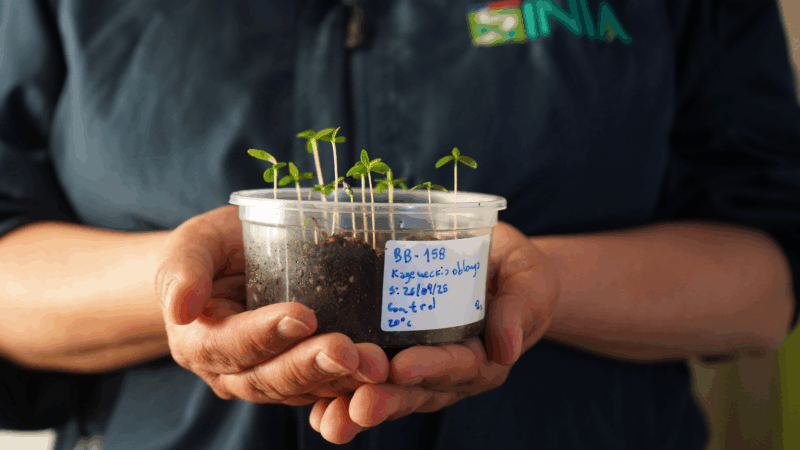
In the world’s driest desert, Chile freezes its future to protect plants

Tucked away in a remote desert town, a hidden vault safeguards Chile's most precious natural treasures. From long-forgotten flowers to endangered crops.

Iran’s supreme leader warns any US attack would spark ‘regional war’

Iran's supreme leader warned Sunday that any attack by the United States would spark a "regional war" in the Mideast, further escalating tensions as President Donald Trump has threatened to militarily strike the Islamic Republic.

More Front Page Coverage