
Nobel Prize winner Machado says Venezuela is in ‘chaos’ under current regime
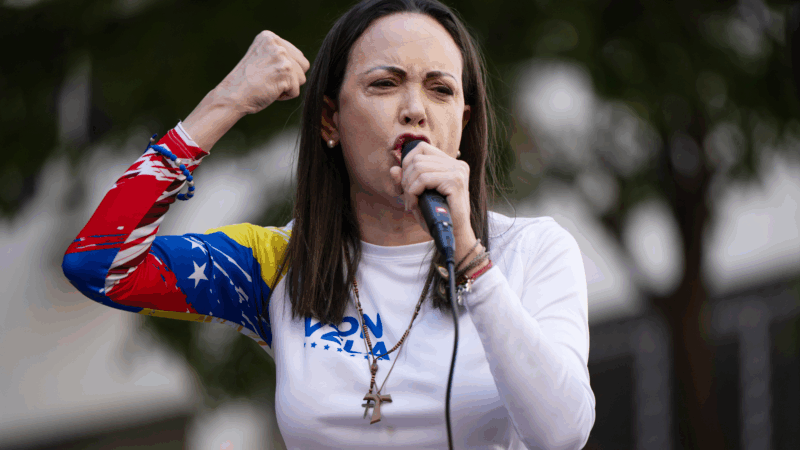
Venezuela opposition leader and Nobel Peace Prize winner María Corina Machado said in an interview with NPR’s Weekend Edition Sunday that her country is in chaos and called for the removal of Venezuela’s authoritarian President Nicolás Maduro.
Speaking while still in hiding within Venezuela’s borders, the far-right leader decried Maduro as an illegitimate strongman who had elbowed his way into a third term despite consistent evidence that his administration had rigged the vote.
“I want to be very clear with this: Regime change was already mandated by the Venezuelan people on July 28, 2024,” Machado said during an interview with NPR’s Ayesha Rascoe on Saturday, citing last year’s controversial, closely watched election.
“The narrative of the regime right now is that if Maduro goes, chaos will come to Venezuela. That’s absolutely false,” she said. “Venezuela is in profound, total chaos right now.”
Machado – whom Maduro’s regime had barred from running in the race – had backed opposition candidate Edmundo González in the race to steer Venezuela as it suffers through a political and economic crisis that has forced more than one-fifth of its residents to flee the country.
Machado has been one of the staunchest critics of the powerful United Socialist Party of Venezuela (PSUV) since it first came to power in the late 1990s. A former legislator in the Venezuelan National Assembly, Machado has been shot at, targeted by federal prosecutors, banned from running for office, and forced into hiding by the government of Maduro, who succeeded PSUV founder Hugo Chávez in 2013.
“We won by a landslide in the presidential election, and we proved it with over 85% of the original tally sheets. The whole world knows that. Even Maduro’s allies know that he was defeated,” Machado said.
Several Latin American countries, alongside the United States, agree that Maduro manipulated the electoral system in order to maintain his grip on Venezuela’s government. The country has been riddled with corruption and, under Maduro’s leadership, seen the country descend into economic collapse and a crackdown on free speech.
The Trump administration has accused Maduro of leading a drug cartel and has ordered deadly strikes on boats it says were carrying drugs. The U.S. State Department is offering a reward of up to $50 million for information that would lead to Maduro’s arrest.
Machado echoed those claims that Maduro is operating as a cartel head and blamed him for the boat strikes and broader international hostility towards Venezuela.
“[The cartel] are destabilizing, intentionally, the region and undermining the institutions in the United States, because they have turned Venezuela into the safe haven of the enemies of the United States – Iran, China, Russia, Hezbollah, Hamas, and others,” she said.
“So, this is a war that was declared by Maduro, not us.”
When asked if she would support U.S. military invasion of Venezuela to see Maduro deposed, Machado declined to speculate on whether President Trump would authorize such actions, but she called Trump a valuable ally in recognizing the “threat” Maduro presents as a leader.
“You cannot have peace without freedom, and you cannot have freedom without strength,” Machado said.
“When you are facing a criminal structure, they have used violence, all the resources of the Venezuelan people against innocent people. People that are in prison right now that are tortured, persecuted and killed,” she said. “We need to stop this because it is a matter of saving lives and the regime has to understand that impunity is over.”
Machado had dedicated her Nobel Peace Prize to Trump, whom she has supported and called on directly to help steer Venezuela towards democracy.
When asked whether she did so in the hopes that it would inspire Trump to help force Maduro out, Machado said: “I dedicated it to the people of Venezuela and President Trump because I think it’s the correct thing to do.”
“I think it is fair, not only for what he has been doing in the last months to solve long and painful conflicts around the world, but precisely for what he’s doing right now for the Americas,” she said, adding that, if and when Maduro is ousted, she hoped to see the fall of other repressive regimes in Cuba and Nicaragua as well.
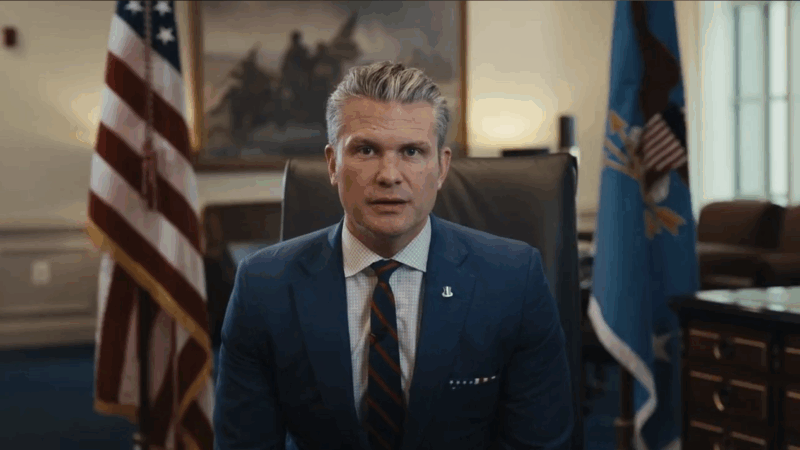
Pentagon puts Scouts ‘on notice’ over DEI and girl-centered policies
After threatening to sever ties with the organization formerly known as the Boy Scouts, Defense Secretary Hegseth announced a 6-month reprieve
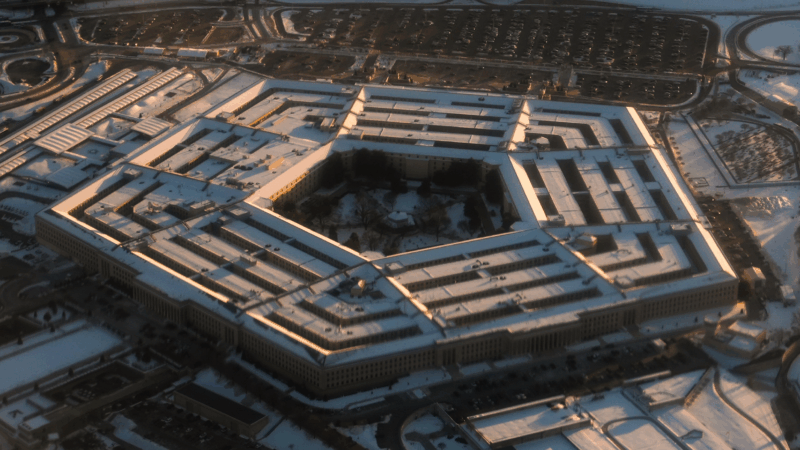
President Trump bans Anthropic from use in government systems
Trump called the AI lab a "RADICAL LEFT, WOKE COMPANY" in a social media post. The Pentagon also ordered all military contractors to stop doing business with Anthropic.
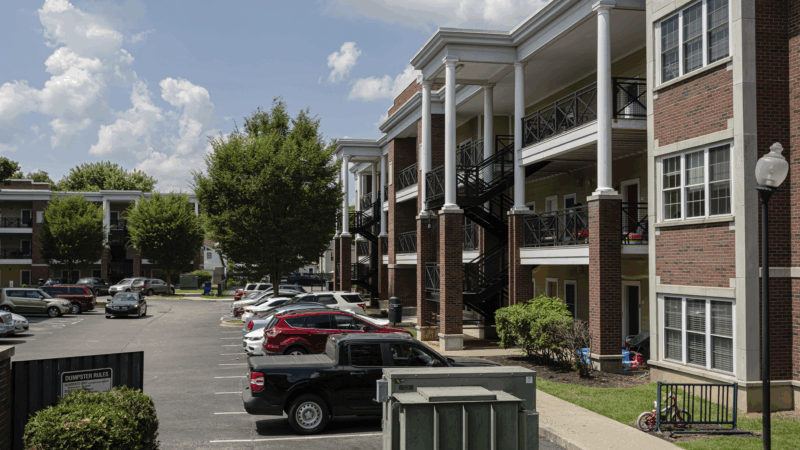
HUD proposes time limits and work requirements for rental aid
The rule would allow housing agencies and landlords to impose such requirements "to encourage self-sufficiency." Critics say most who can work already do, but their wages are low.
Paramount and Warner Bros’ deal is about merging studios, and a whole lot more
The nearly $111 billion marriage would unite Paramount and Warner film studios, streamers and television properties — including CNN — under the control of the wealthy Ellison family.
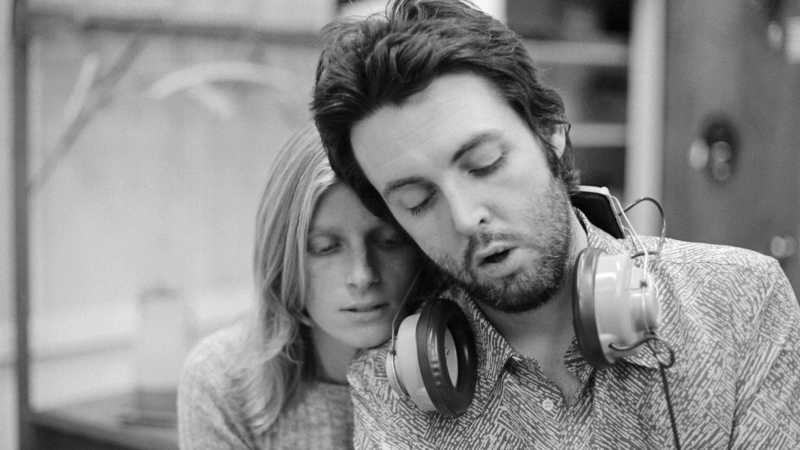
A new film follows Paul McCartney’s 2nd act after The Beatles’ breakup
While previous documentaries captured the frenzy of Beatlemania, Man on the Run focuses on McCartney in the years between the band's breakup and John Lennon's death.
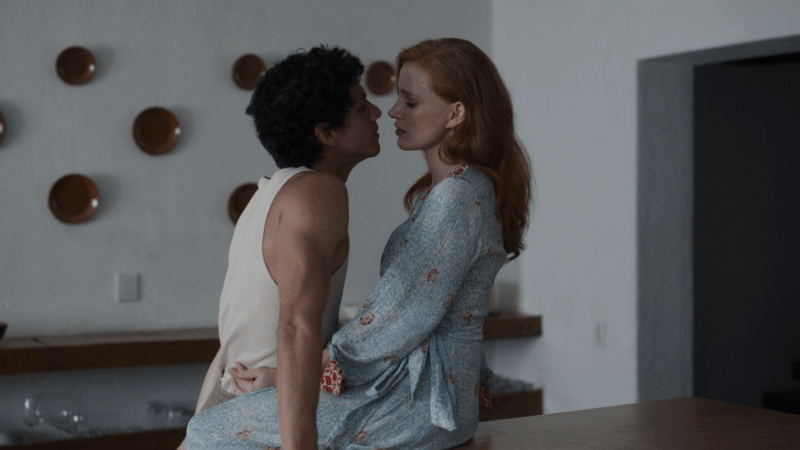
An aspiring dancer. A wealthy benefactor. And ‘Dreams’ turned to nightmare
A new psychological drama from Mexican filmmaker Michel Franco centers on the torrid affair between a wealthy San Francisco philanthropist and an undocumented immigrant who aspires to be a dancer.
