
New lawsuit argues Trump and DOGE’s government overhaul is unconstitutional
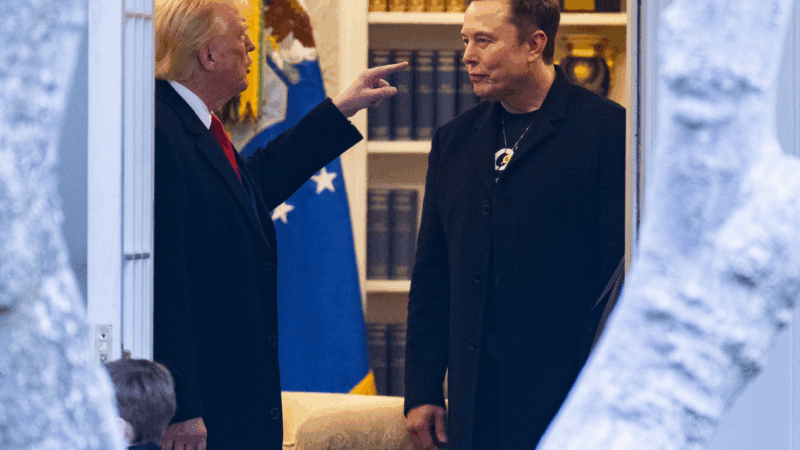
A coalition of labor unions, nonprofits and local governments including Chicago, Baltimore and Harris County, Texas, has mounted the broadest legal challenge yet to President Trump’s massive overhaul of the federal government.
In a lawsuit filed late Monday, the plaintiffs charge that actions taken by the president, Elon Musk and the heads of nearly two dozen federal agencies to dramatically downsize the federal workforce violate the Constitution because Congress has not authorized them.
“Three months into this Administration, there can be no real doubt that impacted federal agencies are acting according to the direction being given by President Trump through DOGE, OMB, and OPM,” the lawsuit states, referring to the government efficiency team that Musk oversees, as well as the Office of Management and Budget (OMB) and the Office of Personnel Management (OPM).
“Over and over, newly appointed agency heads have explained that they are reorganizing, eliminating programs, and cutting thousands upon thousands of jobs, because the President directed them to and because DOGE told them how much and what to cut.”
The plaintiffs include some of the same unions and nonprofits that sued the Trump administration over its mass firing of probationary employees in the same federal court in San Francisco. In that case, U.S. District Judge William Alsup found that OPM illegally directed six federal agencies to terminate recent hires and those newly promoted into new positions. Alsup ordered more than 16,000 fired workers reinstated. The Supreme Court later vacated the reinstatement order but has not yet considered whether the firings were illegal.
The new complaint goes further, arguing that Trump’s Feb. 11 executive order “Implementing the President’s ‘Department of Government Efficiency’ Workforce Optimization Initiative” and actions taken since by his administration to implement it “usurp” Congress’ authority under the Constitution.
The argument dives into history, noting that “since the founding of the nation, federal courts have recognized that the federal agencies are not created by the President,” but by Congress, which has the sole authority to undertake the kind of wholesale transformation Trump has ordered, the plaintiffs argue.
Yet Congress, which is led by Republican allies of Trump, has largely chosen to remain silent as the administration fires federal workers, shuts down government programs and closes federal buildings.
Trump has touted these moves as restoring accountability. He has repeatedly argued that the American people, through the 2024 election, gave him a mandate to eliminate waste, fraud and inefficiency in the federal government.
Citing irreparable harm, the plaintiffs have asked the court to vacate Trump’s executive order, along with accompanying memos to agencies issued by OMB and OPM on how to implement the order. They have also asked the court to void agencies’ “reduction in force” or RIF plans, arguing that the compressed timeline — only a matter of weeks — set forth by the Trump administration for submitting those plans for approval could not have allowed for proper compliance with statutory and regulatory requirements.
The lawsuit takes direct aim at Musk’s DOGE, which is installing representatives in agencies across the government to direct workforce reductions. Noting that unlike with OMB and OPM, Congress has not granted DOGE any kind of statutory power, the plaintiffs write: “DOGE has no authority at all to dictate to the agencies created and governed by Congress any level of staffing cut or spending reduction.”
The White House did not immediately respond to NPR’s request for comment on the lawsuit.

Scientists make a pocket-sized AI brain with help from monkey neurons
A new study suggests AI systems could be a lot more efficient. Researchers were able to shrink an AI vision model to 1/1000th of its original size.

U.S. evacuates diplomats, shuts down some embassies as war enters fourth day
The United States evacuated diplomats across the Middle East and shut down some embassies as war with Iran intensified Tuesday while President Trump signaled the conflict could turn into extended war.
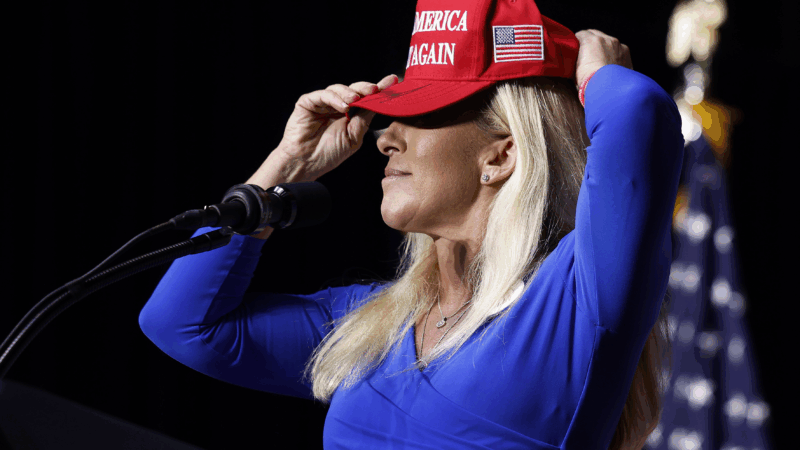
Trump promised the MAGA base no new wars. Then he went to war with Iran
President Trump promised his "Make America Great Again" voters an "America First" foreign policy. With the war in Iran, he's testing MAGA world's willingness to be flexible on one of its core beliefs.
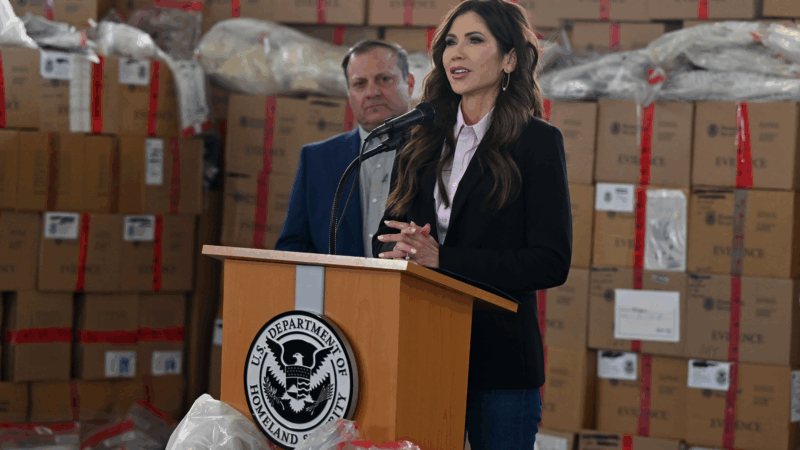
Kristi Noem set to face senators over DHS shutdown, immigration enforcement
The focus of the hearing is likely to be on how Kristi Noem is pursuing President Trump's mass deportation efforts in his second term, after two U.S. citizens were killed by immigration officers.

College students, professors are making their own AI rules. They don’t always agree
More than three years after ChatGPT debuted, AI has become a part of everyday life — and professors and students are still figuring out how or if they should use it.

North Carolina and Texas have primary elections Tuesday. Here’s what you need to know
The midterm elections are officially underway and contests in Texas and North Carolina will be the first major opportunity for parties to hear from voters about what's important to them in 2026.
