
Nepal appoints a former chief justice as interim prime minister and first woman leader
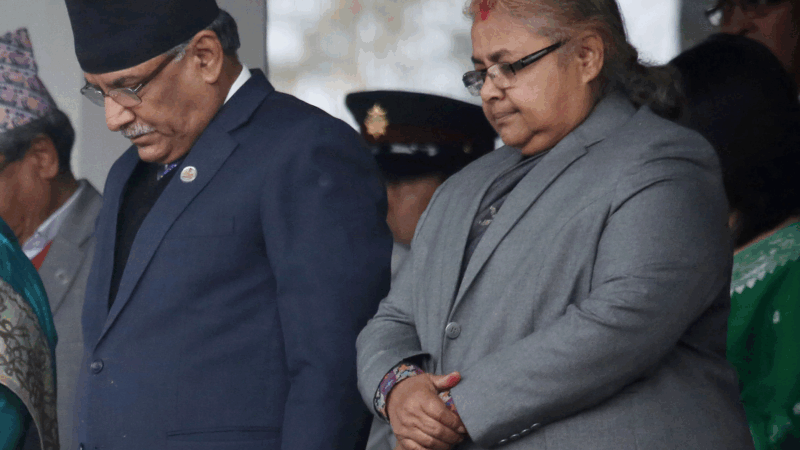
KATHMANDU, Nepal — Nepal ‘s president on Friday appointed former Supreme Court Chief Justice Sushila Karki as interim prime minister and the first woman to head the Himalayan nation’s government, following fiery protests that collapsed the previous administration.
Karki, a popular figure when serving as the court’s only female chief justice in 2016 and 2017, was sworn in by President Ram Chandra Poudel at the presidential residence in a small ceremony broadcast on state-run television. Politicians, officials and foreign diplomats invited at the ceremony congratulated her.
Karki, 73, was known for her stand against corruption in the government while in office. Some lawmakers tried to impeach her in April 2017, accusing her of bias, but the move was unsuccessful and was criticized at the time as an attack on the judiciary.

Street demonstrations starting Monday in Kathmandu over a social media ban turned violent, with protesters attacking government buildings and police opening fire. Though the ban was rescinded, the unrest continued over broader grievances, with tens of thousands of protesters attacking and burning the parliament, the presidential residence and businesses.
The violence prompted Prime Minister Khadga Prasad Oli to resign Tuesday and flee his official residence. Nepal’s army took control of the capital Tuesday night, and started negotiations among the protesters, army and president over an interim government.
Violence over the past week left at least 51 people dead, police said Friday.
Many of the dead were protesters killed by police fire and some were inmates trying to break out of a jail in the capital, Kathmandu. Three police officers also were among the dead, police said.
The military has enforced a curfew since late Tuesday, with residents given a few hours per day to leave their homes to buy food and supplies while soldiers guard the streets of Kathmandu.
The demonstrations — called the protest of Gen Z — originally were sparked by the short-lived ban on platforms including Facebook, X and YouTube, which the government said had failed to register and submit to oversight.
But they soon reflected broader discontent, with many young people angry about what they call “nepo kids” of political leaders who enjoy luxurious lifestyles while most youth struggle to find work.

Scientists make a pocket-sized AI brain with help from monkey neurons
A new study suggests AI systems could be a lot more efficient. Researchers were able to shrink an AI vision model to 1/1000th of its original size.
U.S. evacuates diplomats, shuts down some embassies as war enters fourth day
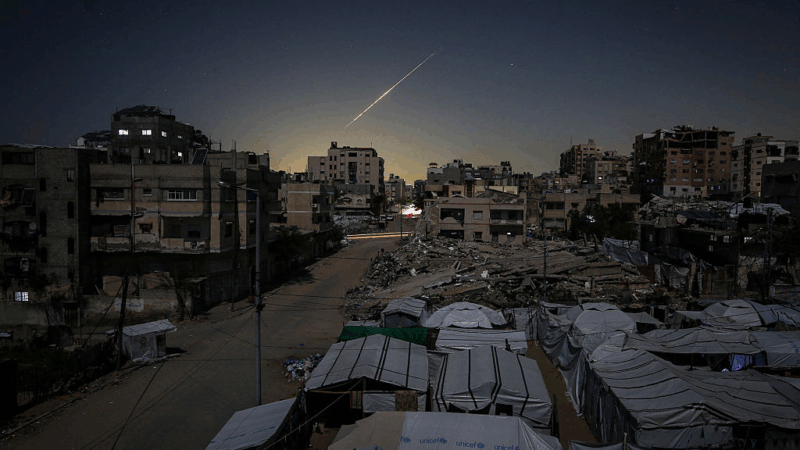
The United States evacuated diplomats across the Middle East and shut down some embassies as war with Iran intensified Tuesday while President Trump signaled the conflict could turn into extended war.
Kristi Noem set to face senators over DHS shutdown, immigration enforcement
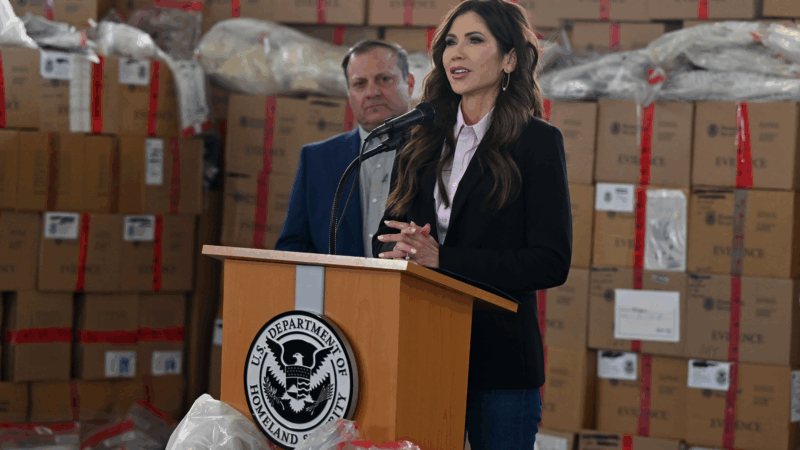
The focus of the hearing is likely to be on how Kristi Noem is pursuing President Trump's mass deportation efforts in his second term, after two U.S. citizens were killed by immigration officers.

North Carolina and Texas have primary elections Tuesday. Here’s what you need to know
The midterm elections are officially underway and contests in Texas and North Carolina will be the first major opportunity for parties to hear from voters about what's important to them in 2026.
Trump promised the MAGA base no new wars. Then he went to war with Iran
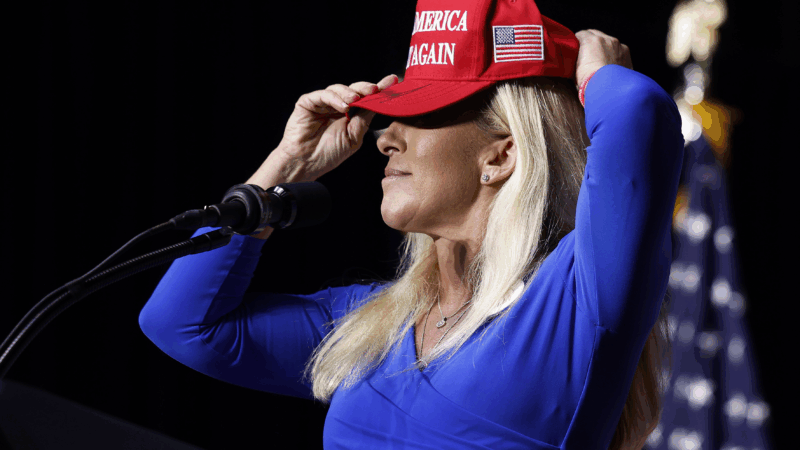
President Trump promised his "Make America Great Again" voters an "America First" foreign policy. With the war in Iran, he's testing MAGA world's willingness to be flexible on one of its core beliefs.
College students, professors are making their own AI rules. They don’t always agree
More than three years after ChatGPT debuted, AI has become a part of everyday life — and professors and students are still figuring out how or if they should use it.
