More billionaires than ever ranked in Forbes’ annual list. Here are the top 10
The world’s billionaires are richer than ever, according to Forbes magazine’s annual list of the world’s wealthiest people.
The 39th annual version is out now and includes 3,028 billionaires, the most ever recorded by Forbes.
Forbes senior editor Chase Peterson-Withorn told Morning Edition the annual world’s billionaires list has $2 trillion more in wealth from just a year ago. In total, they have an estimated $16.1 trillion in riches.
“It’s a great time to be a billionaire,” Peterson-Withorn said.
How does Forbes put this list together?
Peterson-Withorn said upwards of 100 reporters around the world work on the list, combing through everything from shares in publicly traded companies, trying to value private companies, looking at cash and investments, and how billionaires might be spending their money in their down time.
“Everything from art and yachts and car collections and dinosaur bone collections and all kinds of crazy stuff billionaires own,” Peterson-Withorn said. “So it’s sort of what the total value of all of their assets are minus any debt that they have.”
Some billionaires do open up to Forbes, Peterson-Withorn said, but for those who don’t, reporters also look at government registries, legal filings and offshore registries. They work with information leaks and interview billionaires, their handlers and their competitors to try to find “answers to questions that a lot of billionaires maybe would rather we don’t ask.”
So who tops this year’s list?
The U.S. has the most billionaires with 902, followed by China and Hong Kong at 516. India has the third most with 205.
Here are the top 10 ranked by wealth and by how they came by their fortunes:
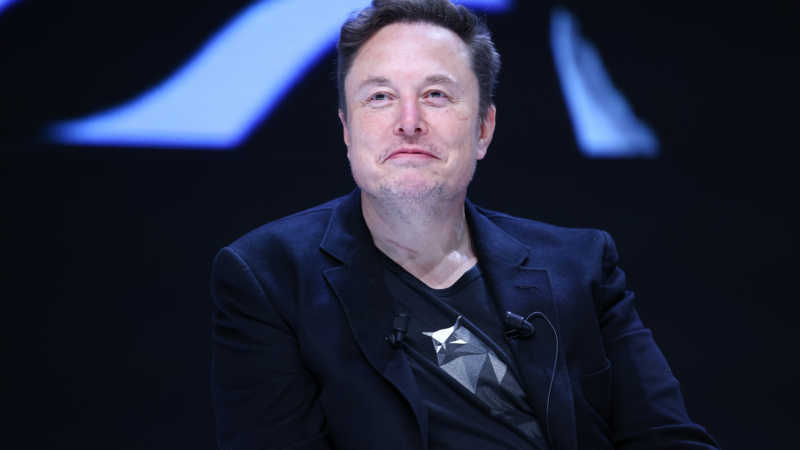
- Elon Musk ($342 billion), co-founder of Tesla and SpaceX
- Mark Zuckerberg ($216 billion), co-founder of Facebook and CEO of Meta
- Jeff Bezos ($215 billion), founder of Amazon
- Larry Ellison ($192 billion), co-founder of tech giant Oracle
- Bernard Arnault and family ($178 billion), founder and CEO of LVMH, luxury goods conglomerate, holding brands such as Louis Vuitton and Tiffany & Co.
- Warren Buffet ($154 billion), investor known as the “Oracle of Omaha,” CEO and chairman of Berkshire Hathaway
- Larry Page ($144 billion ), co-founder of Google and former CEO of its parent company, Alphabet
- Sergey Brin ($138 billion), co-founder of Google and former president of Alphabet
- Amancio Ortega ($124 billion), founder of clothing retailer Inditex, which sells Zara and various other brands
- Steve Ballmer ($118 billion), former CEO of Microsoft
How might the public feel about billionaires these days?
Peterson-Withorn said public attitudes have shifted, noting the Occupy Wall Street movement in 2011 that followed the 2008 Great Recession. There’s also the right-wing populism that helped President Trump, a billionaire himself, win two terms. Though former adviser Steve Bannon insisted to NPR earlier this year that the president’s seeming embrace of tech billionaires was not a win for them.
“Now we have sort of a billionaire president bringing a lot of billionaires into his government,” Peterson-Withorn said. “And so you can see a lot of pushback and backlash against that. But it also depends on what side of the coin you’re sort of looking at.”
Several billionaires have been tapped to serve in the second Trump administration, including Elon Musk, Education Secretary Linda McMahon and Commerce Secretary Howard Lutnick.
Musk, whose work with the special Department of Government Efficiency unit tasked with cutting government spending, has drawn the ire of some Americans on both sides of the aisle. . Tesla dealerships have faced numerous protests in recent weeks, though the richest man in the world is not showing signs of scaling back his work in the federal government.
“A lot of billionaires don’t have great reputations these days,” Peterson-Withorn said, “but on the other hand, they’re more powerful than ever.”
You can read the full billionaires list here.

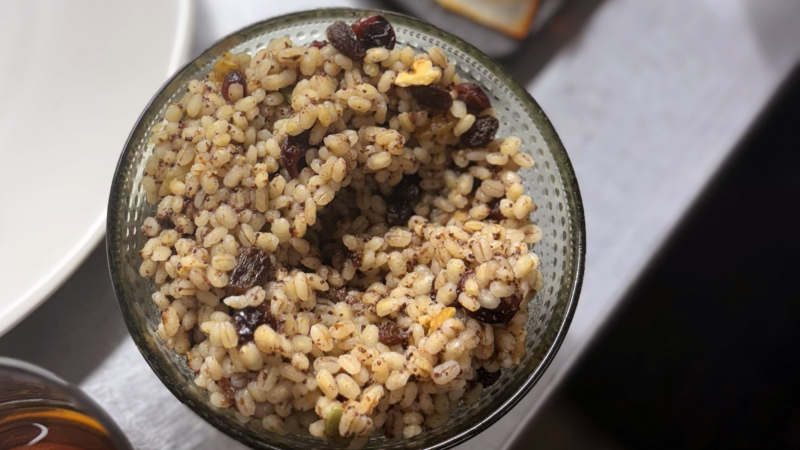
Out with the mayo: How Ukrainians reclaim holiday food
For many people from former Soviet countries, New Year's is a big holiday feast time. A Ukrainian restaurant in Washington gives NPR a taste of what's on the menu.
His brother’s mental illness isolated his family. Now he’s helping other caregivers
When it comes to serious mental illness, family caregivers are crucial partners. But often, they must fend for themselves. A new solution offers them support.

50 wonderful things from 2025
Each year, critic Linda Holmes looks back on the year and compiles a list of the things that brought her joy.

Farmers are about to pay a lot more for health insurance
Tariffs, inflation, and other federal policies have battered U.S. farmers' bottom lines. Now many farmers say the expiration of federal health care subsidies will make their coverage unaffordable.
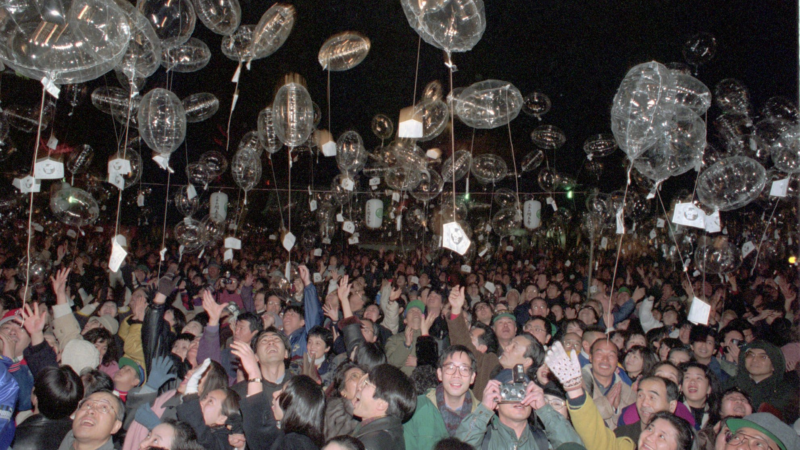
Why do we make New Year’s resolutions? A brief history of a long tradition
One of the earliest mentions of New Year's resolutions appeared in a Boston newspaper in 1813. But the practice itself can be traced back to the Babylonians.
In one year, Trump pivots fentanyl response from public health to drug war
Experts say Biden's focus on addiction health care saved tens of thousands of lives and slowed fentanyl smuggling. Trump scrapped Biden's approach in favor of military strikes.