
Medicare negotiations underway to lower prices for next batch of drugs
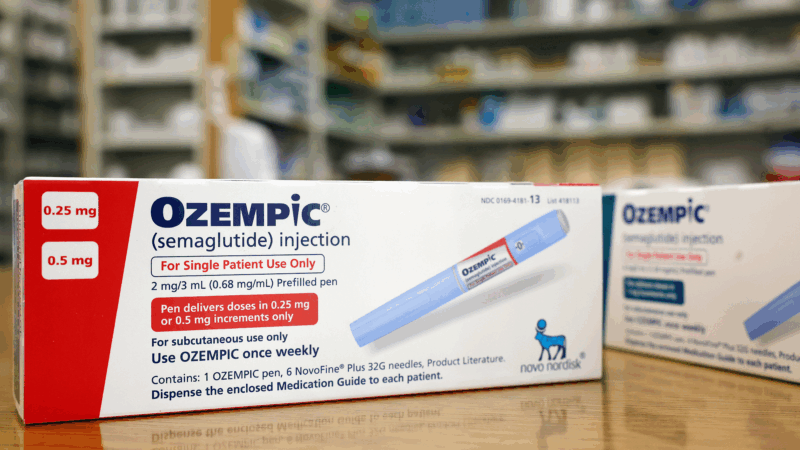
As President Trump touts his own executive orders to lower drug prices, the Medicare drug price negotiations begun during the Biden administration are continuing behind the scenes.
Two companies – Novo Nordisk and Amgen – confirmed to NPR that they had received opening price offers from the government, kicking off bargaining that could last through October. The Department of Health and Human Services did not respond to a request for comment on the status of negotiations.
Medicare is negotiating the prices of 15 drugs, including Novo Nordisk’s Ozempic. The government has until Nov. 30 to announce the agreed-upon Medicare prices. The lower prices would go into effect in January 2027.
“It’s a train that’s sort of moving along the tracks in the background,” says Ben Rome, a physician and health policy researcher at Harvard Medical School. “And it seems like the Trump administration has given the green light to kind of continue that process.”
Medicare drug price negotiation is still relatively new. Until the 2022 passage of the Inflation Reduction Act, Medicare part D, which covers more than 50 million seniors, didn’t have the authority to negotiate drug prices. This is the second round of annual bargaining.
“Unless the Trump administration wants to sort of totally disregard the directives of Congress, then this process will continue,” Rome says.
The first batch of 10 drugs was negotiated last year and announced in August with price cuts ranging from 79% for Type 2 diabetes drug Januvia to 38% for cancer drug Imbruvica. The lower prices for those drugs are expected to take effect in January 2026.
Neither Novo Nordisk nor Amgen, whose psoriasis and arthritis drug Otezla is up for negotiation, would comment on the bargaining process other than to confirm that they had received opening offers.
On May 12, the Centers for Medicare and Medicaid Services issued draft guidance for the third round of negotiations, which is slated to begin in early 2026. Rome says this action is a clear sign “the Trump administration plans to continue this program,” even though it began under the Biden administration.
President Trump has touted his own drug price initiatives, including an executive order on most favored nation drug pricing, which would seek to lower U.S. drug prices and force other countries to pay more for their drugs. However, the details of how this would work are unclear.
Project 2025, a blueprint for changing the federal government by the conservative Heritage Foundation that Trump has echoed in many of his actions, says Medicare drug price negotiation “should be repealed.” Until that can happen “an Administration that is required to implement it must do so in a way that is prudent with its authority, minimizing the harmful effects of the law’s policies and avoiding even worse unintended consequences,” it says.
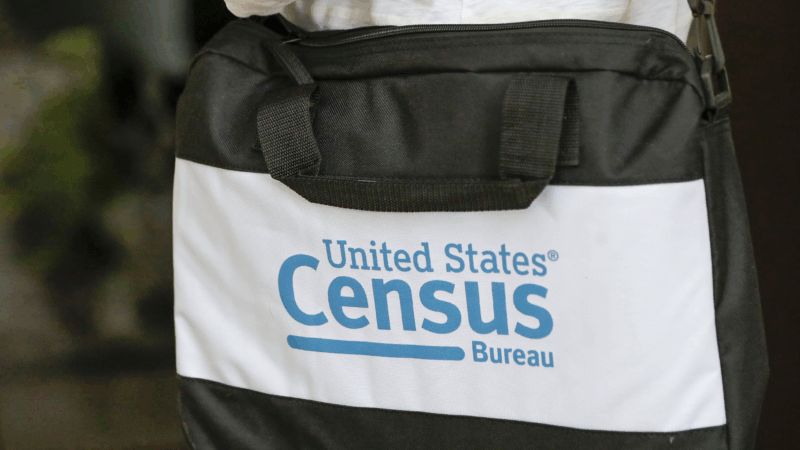
A major census test faces cutbacks — with postal workers tapped to help count
The Trump administration has shrunk the number of locations for this year's field test of the 2030 census and added plans to test replacing temporary census workers with U.S. Postal Service staff.
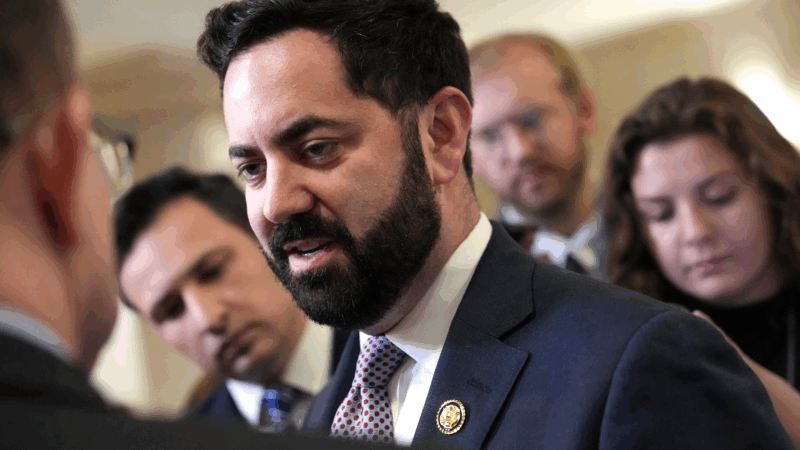
N.Y. Republican met with jeers over ICE tactics during town hall in swing district
Discontent over ICE enforcement tactics is spilling out into races across the country, including competitive congressional districts held by Republicans, like Rep. Mike Lawler of New York.

Meet Milo and Tina, the ‘first openly Gen Z’ Olympic mascots
The 2026 Olympics and Paralympics mascots are Milo and Tina, a pair of teenage, scarf-clad stoat siblings with big dreams. If you're wondering what a stoat is, you're in the right place.
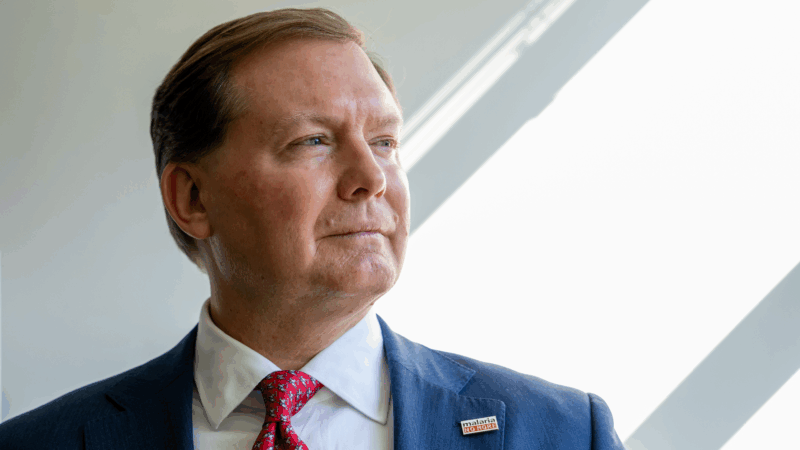
This global health leader praises Trump’s aid plan — and gears up to beat malaria
Bill Steiger, who served in the George H.W. Bush and first Trump administrations, reflects on the past year's changes in the U.S. role — and his new job as head of Malaria No More.

Grammys 2026: 10 takeaways from a historic, chaotic night
The Grammy Awards were full of milestone wins, chaotic performances and viral moments, as well as speeches that frequently addressed this moment in American history.
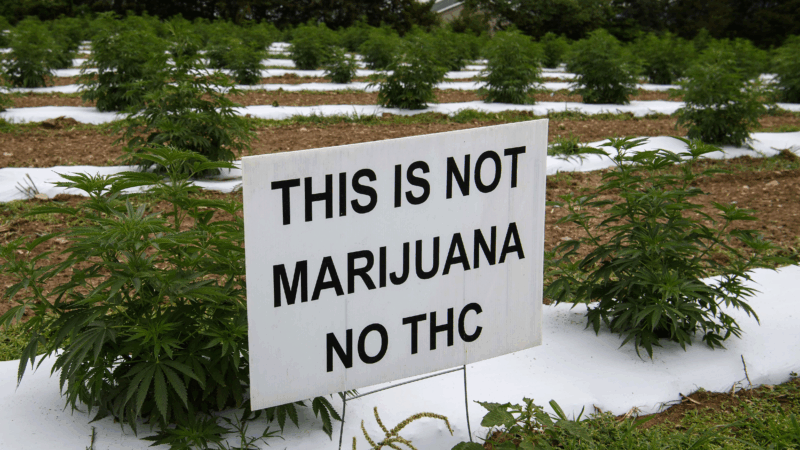
Hemp and marijuana are the same species. So why all the different laws?
Farmers in the U.S. have grown cannabis since the 1600s — but policymakers are still figuring out how to regulate two famous types of Cannabis sativa. A historian calls the plant "incredibly cryptic."
