
Long-elusive Mexican drug lord Ismael ‘El Mayo’ Zambada pleads guilty in U.S.
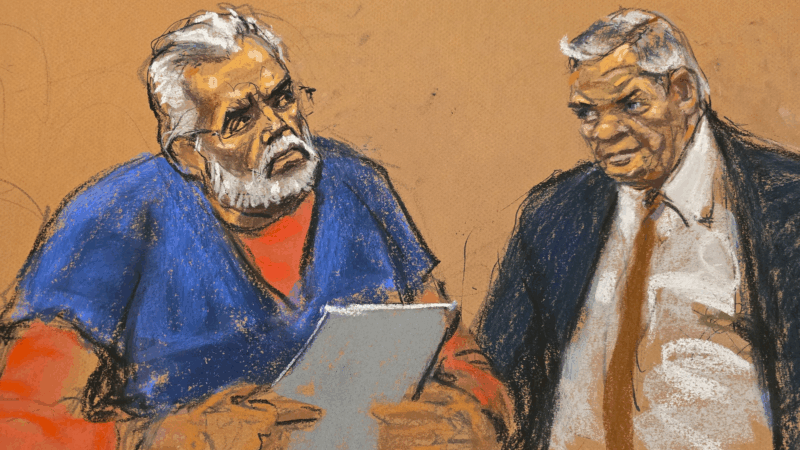
NEW YORK — Former Mexican cartel kingpin Ismael “El Mayo” Zambada will spend the rest of his life in prison after pleading guilty Monday to U.S. drug trafficking charges and saying he was sorry for helping flood the U.S. with cocaine, heroin and other illicit substances and for fueling deadly violence in Mexico.
“I recognize the great harm illegal drugs have done to the people of the United States, of Mexico, and elsewhere,” Zambada, 75, said through a Spanish-language interpreter. “I take responsibility for my role in all of it and I apologize to everyone who has suffered or been affected by my actions.”
Under Zambada’s leadership and that of Joaquín “El Chapo” Guzmán, the Sinaloa cartel evolved from a regional player into the largest drug trafficking organization in the world, prosecutors say.
“Culpable,” Zambada said, using the Spanish word for “guilty,” as he entered his plea in a Brooklyn courtroom, about 2,200 miles (3,500 kilometers) from Mexico’s Sinaloa state.
He acknowledged the extent of the Sinaloa operation, including underlings who built relationships with cocaine producers in Colombia, oversaw importing cocaine to Mexico by boat and plane and smuggling the drug across the U.S.-Mexico border. He said the cartel raked in hundreds of millions of dollars a year and admitted that people working for him paid bribes to Mexican police and military commanders “so they could operate freely.”
U.S. Attorney General Pam Bondi flew to New York to herald Zambada’s guilty plea as a “landmark victory,” telling reporters at a news conference that he “will die in a U.S. federal prison, where he belongs.”
“This guy, ‘El Mayo,’ was living like a king,” Bondi said. “Now he’s living like a criminal for the rest of his life.”
Bondi’s visit to Brooklyn underscored President Donald Trump’s anti-cartel crusade. His administration has declared drug cartels to be terrorist organizations, positioned military assets off Venezuela and compelled the Mexican government to hand over several dozen high-ranking cartel officials for prosecution.
The kingpin’s legacy
Sought by U.S. law enforcement for more than two decades, Zambada was arrested in Texas last year, at the end of the Biden administration, when the drug lord arrived in a private plane with one of Guzmán’s sons, Joaquín Guzmán López. Zambada says he was kidnapped in Mexico and taken against his will to the U.S.
His arrest, along with that of Guzmán López, touched off deadly fighting in his home state of Sinaloa between rival cartel factions, pitting his loyalists against backers of Guzmán’s sons, dubbed the Chapitos, or “little Chapos.”
Considered a good negotiator, Zambada was seen as the cartel’s strategist and dealmaker who was more involved in its day-to-day doings than the flamboyant Guzmán. Prosecutors have said Zambada was enmeshed in the group’s violence, at one point ordering the murder of his own nephew.
In the Sinaloan capital of Culiacan, dead bodies lie in streets or sometimes appear hanging from highway underpasses. Businesses shutter early because people don’t want to be out after dark. Schools grind to a halt during sudden bursts of conflict. People ranging from social media influencers to animal caregivers have been touched by the bloodshed.
Prosecutors promised not to seek the death penalty
Zambada’s plea came two weeks after prosecutors said they wouldn’t seek the death penalty.
His lawyer, Frank Perez, stressed after court that the plea agreement doesn’t obligate Zambada to cooperate with government investigators. The attorney said his client never really wanted to go to trial, and that once the death penalty was off the table, his “focus shifted to accepting responsibility and moving forward.”
Bondi noted Mexico’s opposition to the death penalty, which is a factor in its willingness to extradite suspects to the U.S. Although Zambada wasn’t extradited, she alluded to the nations’ understanding that “we cannot seek the death penalty” for those who are.
Zambada is due to be sentenced Jan. 13 to life in prison. He also faces billions of dollars in financial penalties.
Zambada describes his drug trade
Zambada appeared momentarily unsteady as he arrived in court; a marshal grabbed his arm to direct him to his seat.
As Judge Brian M. Cogan described the plea agreement, the bearded ex-Sinaloa boss sat attentively, at times brushing his right hand through his white hair.
Then, in an eight-minute speech, Zambada traced his involvement with illegal drugs to his teenage years, when — after leaving school with a sixth-grade education — he first planted marijuana in 1969. He said he went on to sell heroin and other drugs, but especially cocaine. From 1980 until last year, he and his cartel were responsible for transporting at least 1.5 million kilograms of cocaine, “most of which went to the United States,” he said.
Prosecutors said in his indictment that he and the cartel also trafficked in fentanyl and methamphetamine.
Zambada pleaded guilty to charges of engaging in a continuing criminal enterprise between 1989 and 2024 and racketeering conspiracy, which encompasses involvement in a number of crimes from 2000 to 2012.
Guzmán was sentenced to life behind bars following his conviction in the same federal court in Brooklyn in 2019.
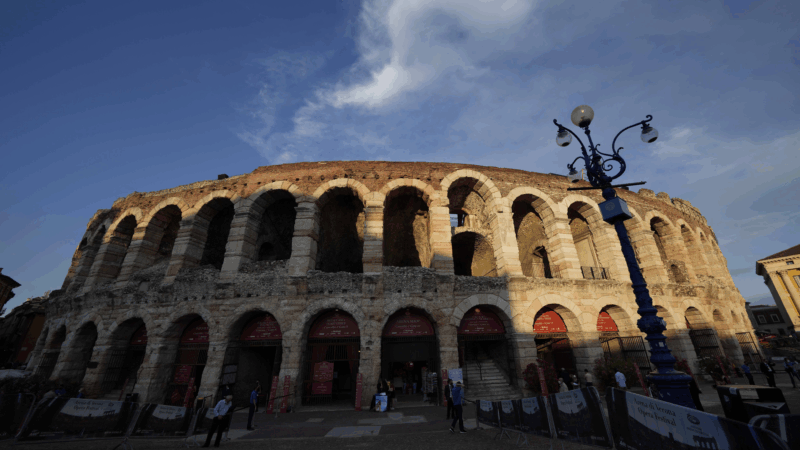
Mideast clashes breach Olympic truce as athletes gather for Winter Paralympic Games
Fighting intensified in the Middle East during the Olympic truce, in effect through March 15. Flights are being disrupted as athletes and families converge on Italy for the Winter Paralympics.

A U.S. scholarship thrills a teacher in India. Then came the soul-crushing questions
She was thrilled to become the first teacher from a government-sponsored school in India to get a Fulbright exchange award to learn from U.S. schools. People asked two questions that clouded her joy.

Sunday Puzzle: Sandwiched
NPR's Ayesha Rascoe plays the puzzle with WXXI listener Jonathan Black and Weekend Edition Puzzlemaster Will Shortz.
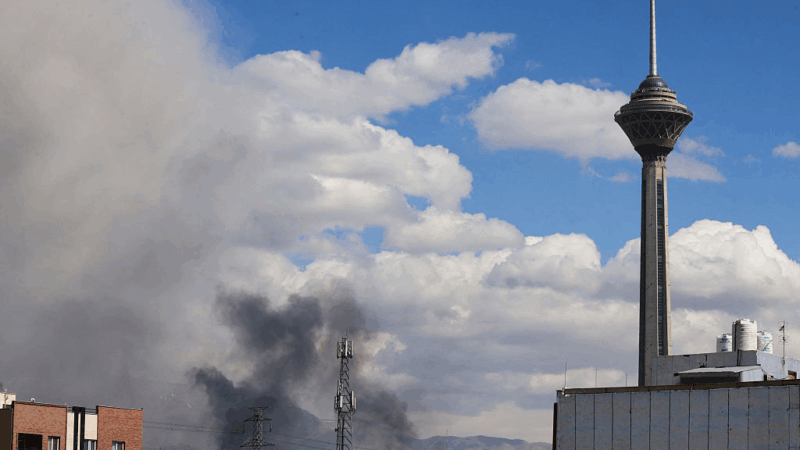
U.S.-Israeli strikes in Iran continue into 2nd day, as the region faces turmoil
Israel said on Sunday it had launched more attacks on Iran, while the Iranian government continued strikes on Israel and on U.S. targets in Gulf states, Iraq and Jordan.
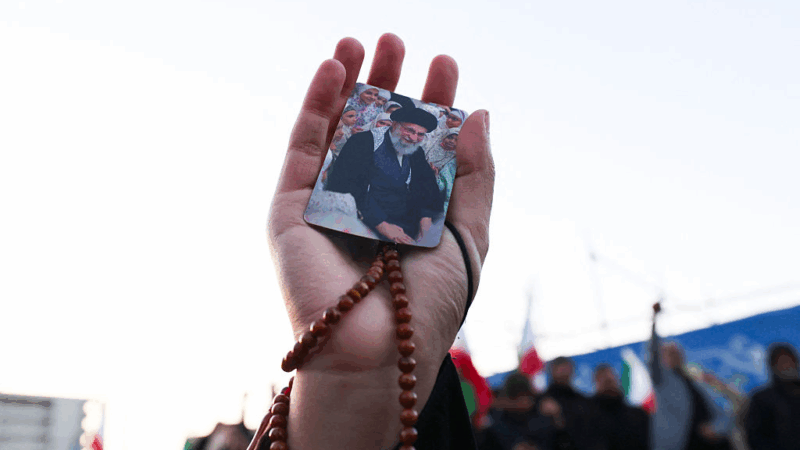
Trump warns Iran not to retaliate after Ayatollah Ali Khamenei is killed
The Iranian government has announced 40 days of mourning. The country's supreme leader was killed following an attack launched by the U.S. and Israel on Saturday against Iran.
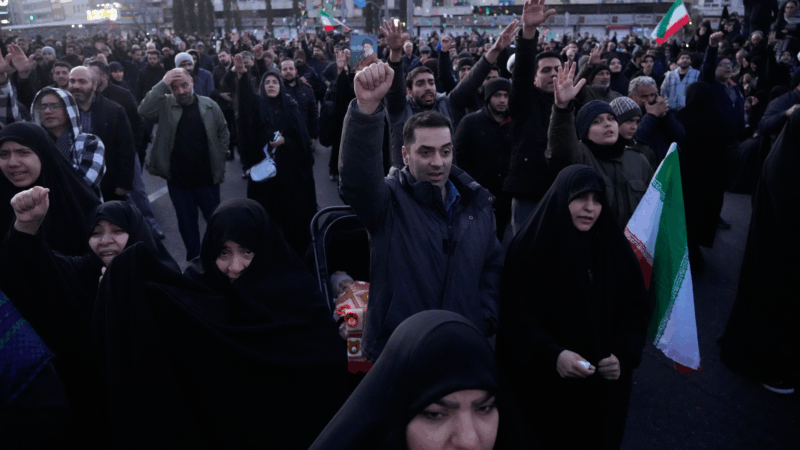
Iran fires missiles at Israel and Gulf states after U.S.-Israeli strike kills Khamenei
Iran fired missiles at targets in Israel and Gulf Arab states Sunday after vowing massive retaliation for the killing of Supreme Leader Ayatollah Ali Khamenei by the United States and Israel.
