
Kraft Heinz to remove artificial dyes from all products, like Jell-O and Kool-Aid
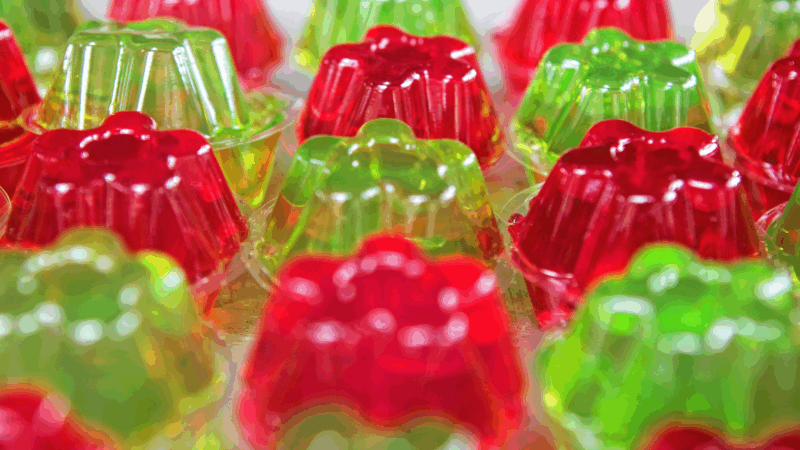
Kraft Heinz says it will be removing all artificial food dyes from products sold in the U.S. starting in 2027, and it will stop making new products with these dyes, effective immediately.
In a statement, Kraft Heinz said nearly 90% of its U.S. products are already free of synthetic dyes. It says it has invested in removing the dyes in remaining products or replacing them with natural colors. A company spokesperson tells NPR that many of the products that still contain artificial dyes are in the beverage and dessert category. These include some products sold under brands such as Crystal Light, Kool-Aid, Jell-O and Jet-Puffed.
“The vast majority of our products use natural or no colors, and we’ve been on a journey to reduce our use of FD&C colors across the remainder of our portfolio,” Pedro Navio, North America president at Kraft Heinz, said in a statement, adding, “Our iconic Heinz Tomato Ketchup has never had artificial dyes.”
About a decade ago, the company removed the artificial dyes used to give its Kraft Mac & Cheese its iconic yellow-orange hue; that color now comes from spices like paprika and turmeric.
The company’s announcement comes nearly two months after federal health officials said they would work with the food industry to voluntarily phase out the use of petroleum-based food dyes by the end of next year.
“We are going to get rid of the dyes and then one by one, we’re going to get rid of every ingredient and additive in food that we can legally address,” Health Secretary Robert F. Kennedy Jr. said at the time.
Some studies have linked these dyes to negative effects on children’s behavior and mental health.
The Consumer Brands Association, which represents U.S. packaged food manufacturers, has defended the industry’s current ingredients. In a statement back in April, Melissa Hockstad, the group’s CEO, said “the ingredients used in America’s food supply have been rigorously studied … and have been demonstrated to be safe.”
Some food manufacturers have already been working to phase out synthetic dyes. The Food and Drug Administration recently approved three new all-natural dyes for manufacturers to use instead. But switching isn’t necessarily easy.
As NPR has reported, extracting large volumes of color from natural sources is far more complex than mixing chemical dyes. Some colors, such as blues, can be difficult to get in large quantities from natural sources, which can raise the costs of reformulating products. And the resulting colors may not be as vivid as those achieved with synthetic dyes.
Opinion: The immorality of betting on war
Traders on prediction markets bet on nearly anything. One made more than half a million dollars betting on the U.S. strike against Iran. But should people wager on human suffering?

Alabama man facing execution for deadly robbery asks for clemency as he didn’t kill victim
Charles “Sonny” Burton is scheduled to be executed March 12 for his role in a 1991 robbery in which a man was fatally shot. His supporters and attorney are asking the governor for clemency, arguing that his life should be spared because Burton didn’t fire the gun or witness the killing.

Curling had its moment at the Olympics and now Paralympics. It sparked a curling bonanza in America
Hundreds of people become interested in curling every four years and the 2026 numbers already show that boom.
One week into the Iran war, the fallout is global
The war is no longer just about the U.S., Israel and Iran. More countries are getting caught in the political crossfire or being drawn into the fighting themselves.
Iran’s president defies U.S. demands while apologizing for strikes on neighbors
President Masoud Pezeshkian said Saturday that a demand by the U.S. for an unconditional surrender is a "dream that they should take to their grave." He also apologized for Iran's attacks on regional countries.
What the Trump administration says about why it went to war with Iran
The Trump administration says it is "laser focused" and mission driven, but the messaging has been varied. The range of cited motivations for striking Iran now are sometimes at odds with each other.
