
“It feels terrible.” Federal worker’s family tightens their belts as shutdown drags on
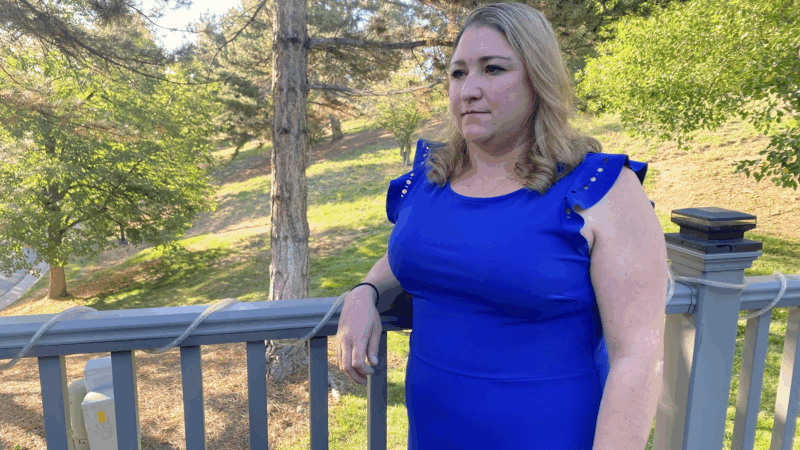
In a way, Stephanie Rogers started preparing for the current moment months ago, when she and her two daughters moved in with her mother about half an hour south of Denver. High prices for everything was certainly one reason.
“When you added up the numbers between both of our family households, it was going to be something that we could not keep going long term,” says Rogers, who’s 44 and divorced with no child support.
Rogers has been a microbiologist with the Food and Drug Administration for 16 years and is now among hundreds of thousands of federal employees not working. She is also a chapter president with the National Treasury Employees Union (NTEU).
Another big motivation for living together? The uncertainty of a new administration focused on shrinking the government, plus Rogers’ memory of the last federal shutdown, back in 2018.
“And we’re living in that reality now,” she says. “And so that is our decision, to just make sure all of us survive this process.”
Her mother, Nina Chapman, says she loves having her granddaughters around. “I was grateful we had a basement. It was just a wonderful area to put everybody,” she says.
Planning ahead for life without a paycheck
When the previous shutdown dragged on for 35 days, from late 2018 into 2019, Rogers says she was “utterly unprepared.” So she made sure to plan better this time.
In the weeks before this shutdown, as the deadline for the funding lapse approached, she rushed to squeeze in medical appointments. She requested early refills of the kids’ medications in case she couldn’t afford them without a paycheck.
Rogers also made a painful decision that will carry its own financial cost. “I had to pull out of my retirement, which has some tax consequences for next year,” she says.
Rogers has asked for flexibility with her car payment and is thinking twice about extracurriculars for her girls, who are 10 and 12. They might have to skip field trips that cost extra or volleyball games that are a long drive away. And the plan has been to buy only essential food.
“In fact, we just had our freezer go out,” she says. “We lost our meat, and that’s just devastating to us because we were counting on that.”
Rogers has also applied for state unemployment. Furloughed federal workers are generally eligible for that, though they must refund the money when the shutdown ends, and after they get any retroactive pay withheld during that time.
“We don’t know what our future looks like”
But President Trump has floated the idea that some workers might be denied backpay, despite a law he signed mandating it in 2019. He’s also threatened mass firings during the shutdown, a process the administration said had begun Friday. And Trump has talked about permanently cutting “Democrat programs,” without saying specifically what that means. Rogers says all of this makes the current shutdown feel very different.
“It feels terrible,” she says. “I don’t know if I even have a job when I walk away from this, much less if I will get paid. Do I have health insurance if we don’t get back pay? It’s a really hard place to be in when you have children who rely on you.”
Rogers believes she and other federal employees do essential work — such as food inspections — that the general public may only appreciate when they’re gone.
But across the federal government, it’s been stressful all year. Mass layoffs and funding cuts have left fewer people working longer hours, she says, only to be sent the message now that they’re not really wanted.
“My mother worries about [it] constantly. My daughter has woken up and said, ‘Does mommy have a job today?’ We don’t know what our future looks like,” she says.
So even though she’s in her dream job, Rogers says she’s started applying for other positions outside the federal government.

No sign of new protests in Iran as a hard-line cleric calls for executions
A Iran returns to an uneasy calm after protests led to a violent crackdown, a senior cleric is calling for the death penalty for detained demonstrators. His sermon Friday also threatened U.S. President Trump.
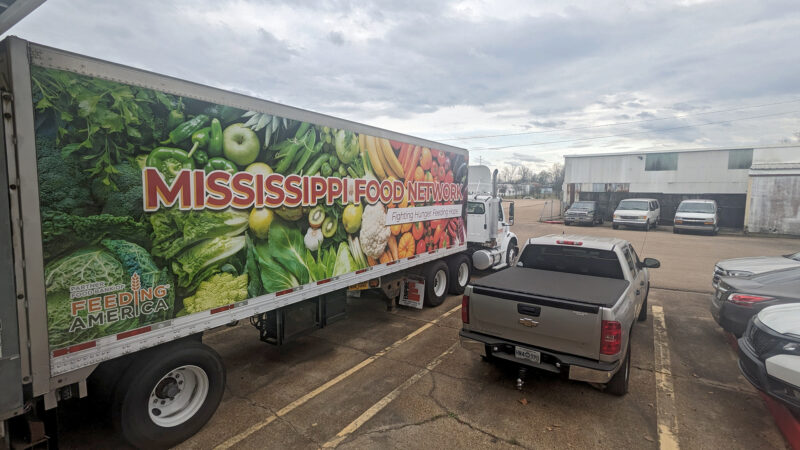
Gulf South food banks look back on a challenging year as another shutdown looms
Federal funding cuts and a 43-day government shutdown made 2025 a chaotic year for Gulf South food banks. For many, the challenges provide a road map for 2026.

Measles is spreading fast in S.C. Here’s what it says about vaccine exemptions
More than 550 people have contracted measles in Spartanburg County, S.C., in a fast-growing outbreak. Like a majority of U.S. counties, nonmedical exemptions to school vaccination are also rising.
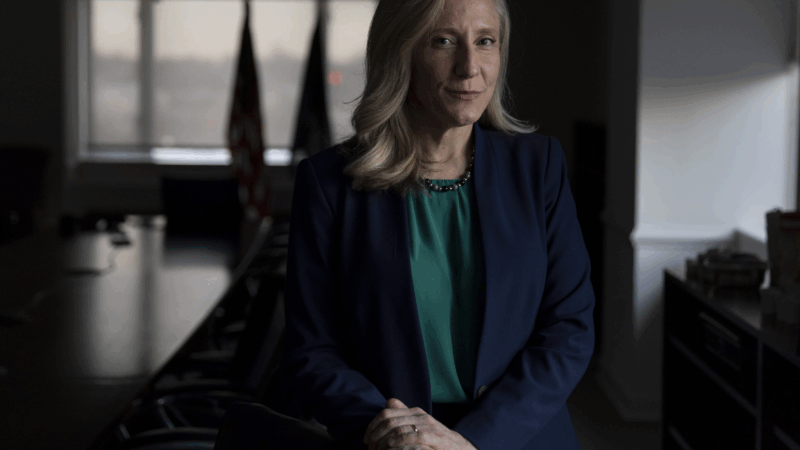
It took 75 governors to elect a woman. Spanberger will soon be at Virginia’s helm
Abigail Spanberger, a former CIA officer and three-term congresswoman, is breaking long-held traditions on inauguration day. She says she wants her swearing-in to showcase the state's modern vibrancy.
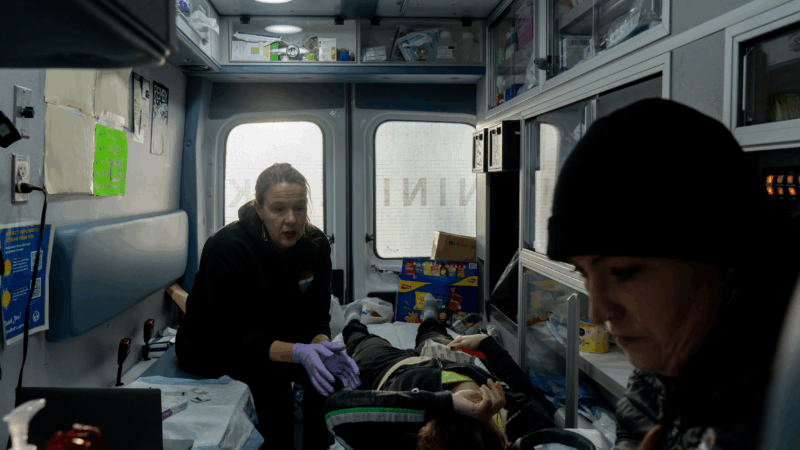
For those with addiction, going into and coming out of prison can be a minefield.
Many jails and prisons around the country don't provide medication treatment for opioid use disorder. Studies show that medication makes recovery more likely and reduces the risk of overdose death.
Trump struck deals with 16 drug companies. But they’re still raising prices this year
All 16 drug companies that inked deals with the Trump administration over the past few months still raised some of their prices for 2026.
