
Iran’s top officials condemn U.S. strikes and assert their right to self-defense
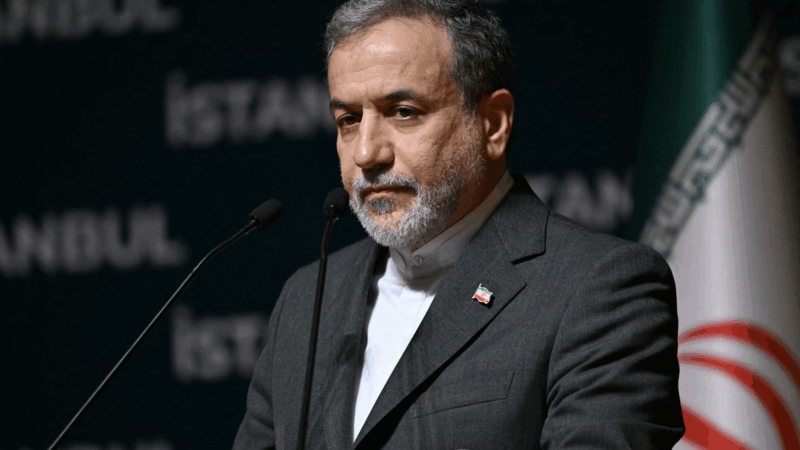
Iran’s top political officials are roundly condemning the U.S. for carrying out a series of overnight attacks on several of Iran’s nuclear facilities and are asserting the country’s right to defend itself.
Foreign Minister Abbas Araghchi called the American operation an “outrageous, grave and unprecedented violation” of the United Nations Charter and international law.
“The war-mongering and lawless administration in Washington is solely and fully responsible for the dangerous consequences and far-reaching implications of its act of aggression,” Araghchi said during a press conference in Istanbul. He added that Iran “reserves all options to defend its security interests and people.”
Iranian President Masoud Pezeshkian said the strikes showed the U.S. was “behind” Israel’s recent bombing campaign against Iran, according to Agence France-Presse.
Amir Saeid Iravani, Iran’s ambassador to the United Nations, denounced the strikes in a letter to U.N. leaders as “unprovoked and premeditated acts of aggression.”
Iravani requested an emergency meeting of the U.N. Security Council, where the U.S. is a permanent member, to address the attacks on the Fordo, Natanz and Esfahan nuclear sites. That meeting is scheduled for 3 p.m. local time in New York City on Sunday, according to the Associated Press.
Araghchi, the foreign minister, also accused the Trump administration, which had recently been in talks with Iran over its nuclear program, of having “betrayed diplomacy.”
Araghchi said he was traveling to Moscow on Sunday and had a meeting scheduled for Monday morning with Russian President Vladimir Putin. Araghchi described Russia as “a friend of Iran” and said he would discuss the U.S. strikes with Russian officials. Russia’s foreign ministry condemned the U.S. strikes against Iran, calling them a “dangerous escalation.”
There are fears that one of the ways Iran may retaliate is by closing the Strait of Hormuz, a narrow nautical passage between Iran and Oman that is key to the global oil trade. Roughly 20% of global petroleum liquids consumption passed through the strait last year, according to the U.S. Energy Information Administration.
Iran’s parliament is backing the idea of closing the Strait of Hormuz, but the decision ultimately falls to the country’s top security officials, Axios reported. Secretary of State Marco Rubio called the possibility of closure “another terrible mistake” and “economic suicide” for Iran.
President Trump said in a Saturday evening address from the White House that “Iran’s key nuclear enrichment facilities have been completely and totally obliterated.”
But Mohammad Manan Raisi, a member of Iran’s parliament representing Qom, has said Fordo did not sustain serious damage, Reuters reported.
Rafael Mariano Grossi, director general of the U.N.’s International Atomic Energy Agency, said in a statement that Iranian nuclear officials reported there hadn’t been a spike in off-site radiation levels following the U.S. strikes.
“As of this time, we don’t expect that there will be any health consequences for people or the environment outside the targeted sites,” Grossi added.
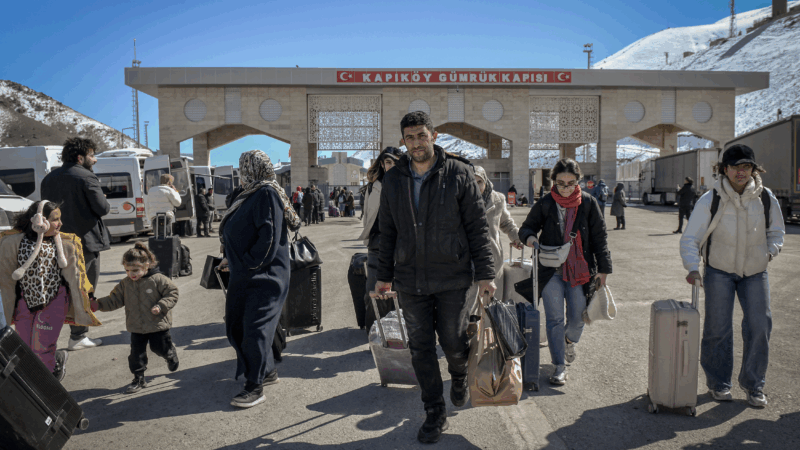
U.S-Israeli strikes continue across Iran, Iranian drones hit Azerbaijan
The U.S. and Israel said they conducted new strikes inside Iran overnight, targeting ballistic missile launchers. Iran claimed it struck a U.S. oil tanker in the northern Persian Gulf.
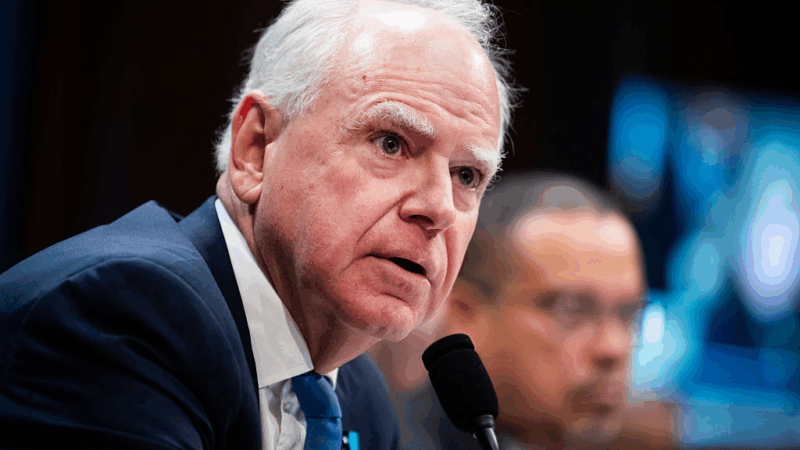
In lawsuit, Minnesota accuses Trump administration of ‘weaponizing’ Medicaid funding
The federal government said the state should do more to fight fraud and is holding back funds. Minnesota officials say the attack is unfair as the state's fraud rate is well below national averages.
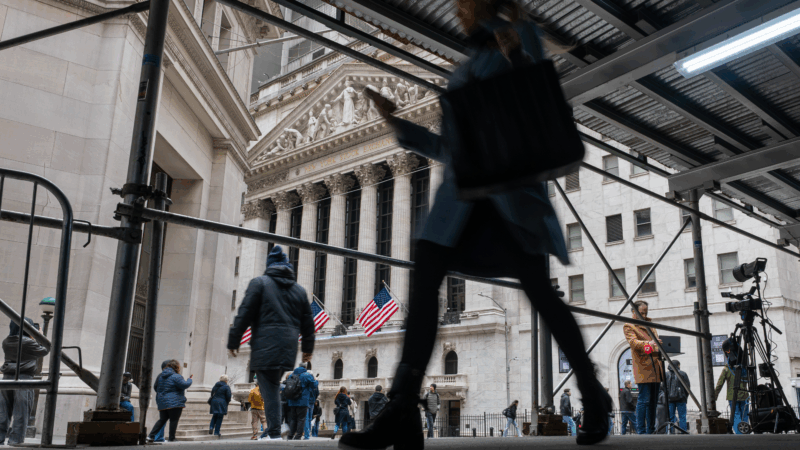
Wall Street is betting on tariff refunds after Supreme Court ruling
When the Supreme Court struck down many of President Trump's tariffs, it left importers wondering how long they'd have to wait to get their money back. Hedge funds are offering to help out.
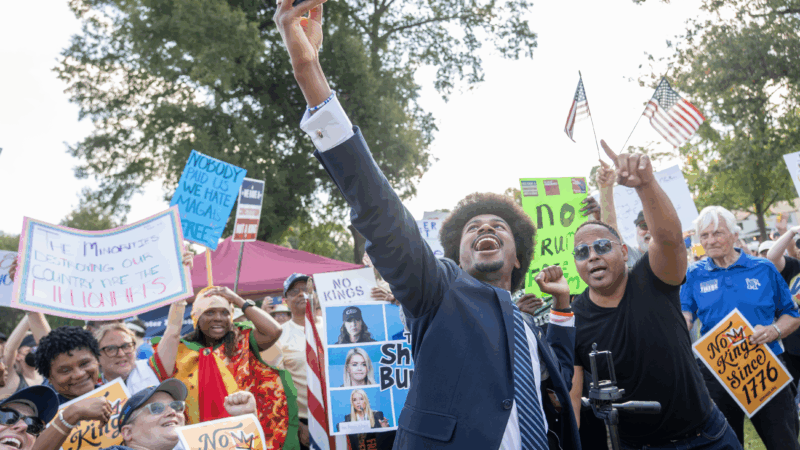
A run for their money: Young candidates rival older incumbents in midterm fundraising
As a growing crop of young candidates challenge longtime Democratic incumbents, some are not just breaking through in the money race, but outraising their opponents altogether.

When ICE came, Minneapolis created underground health networks. Should other cities?
The Trump administration's immigration crackdown in Minneapolis forced some families into hiding and catalyzed informal medical networks to deliver critical health care services inside homes.

Announcing the 2025 NPR College Podcast Challenge Honorable Mentions
Here are some of the best entries in NPR's 2025 College Podcast Challenge.
