
Iranian director Jafar Panahi’s ‘It Was Just An Accident’ wins Palme d’Or at Cannes
Dissident Iranian filmmaker Jafar Panahi’s thriller It Was Just An Accident has won the Palme D’Or at the 78th Cannes Film Festival.
Panahi received a standing ovation as the annual French event drew to a close on Saturday after the jury, led by the French actress Juliette Binoche, announced he had won Cannes’ top prize for his movie — a strong critique of oppression in his home country.
Panahi has been repeatedly arrested and imprisoned in Iran for speaking out against the regime. His films have been banned in the country. The director was forbidden from leaving the country until 2023. And, though in 2010 he was subject to a 20-year filmmaking ban for “propagandizing against the government,” he continued to make films anyway.
It’s his first Cannes appearance in over two decades. He last appeared in person at Cannes in 2003, when his movie Crimson Gold was screened.
In a brief speech in Persian following the announcement of his win, the 64-year-old filmmaker said he was dedicating It Was Just An Accident to all the artists who have been involuntarily deported from Iran, and expressed the hope that they might return to make films in their home country in the future.
Other winners at this year’s festival include Nadia Melliti, the winner of the best actress prize for The Little Sister and Wagner Moura, who took best actor for his role in The Secret Agent. Kleber Mendonça Filho won the best director title for that same film.
The awards ceremony came just hours after a regional power outage threatened the festival’s final day. In a statement on social media on Saturday morning, RTE, which manages France’s electrical grid, said the temporary outage had affected 160,000 homes in the Cannes area. It disrupted the festival’s morning screenings and caused local businesses to shutter. French police are investigating a possible arson attack as the principle cause of the loss of power.
British Columbia to make daylight saving time permanent
The Canadian province is permanently ending the biannual time shifts for more light at the day's end. But research shows daylight saving increases health risks.
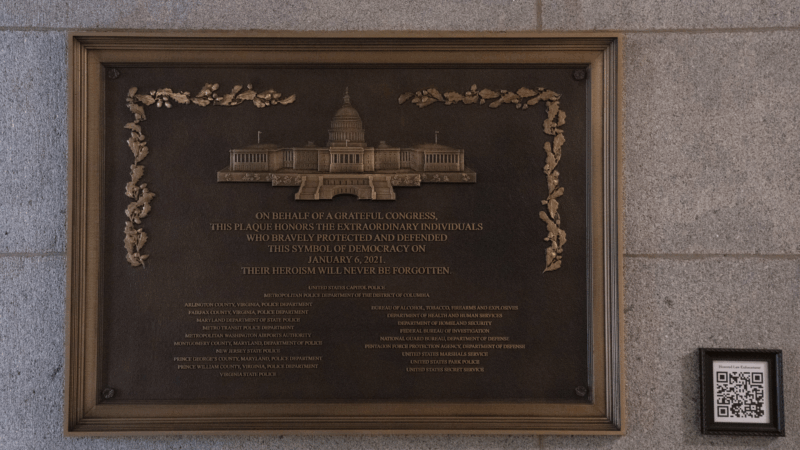
Jan. 6 plaque honoring police officers is now displayed at the Capitol after a 3-year delay
Visitors to the Capitol in Washington now have a visible reminder of the siege there on Jan. 6, 2021, and the officers who fought and were injured that day.
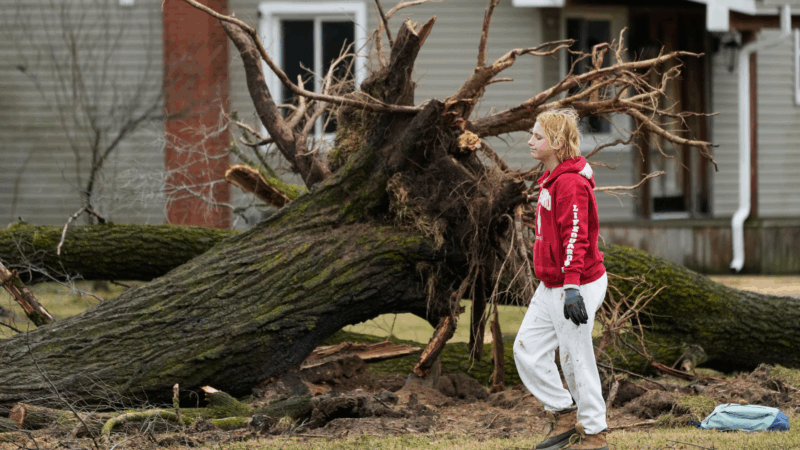
Authorities searching debris after suspected tornadoes kill 6 in Michigan, Oklahoma
A 12-year-old boy is reported to be among the dead following powerful storms that stretched across the middle of the country.
Opinion: The immorality of betting on war
Traders on prediction markets bet on nearly anything. One made more than half a million dollars betting on the U.S. strike against Iran. But should people wager on human suffering?
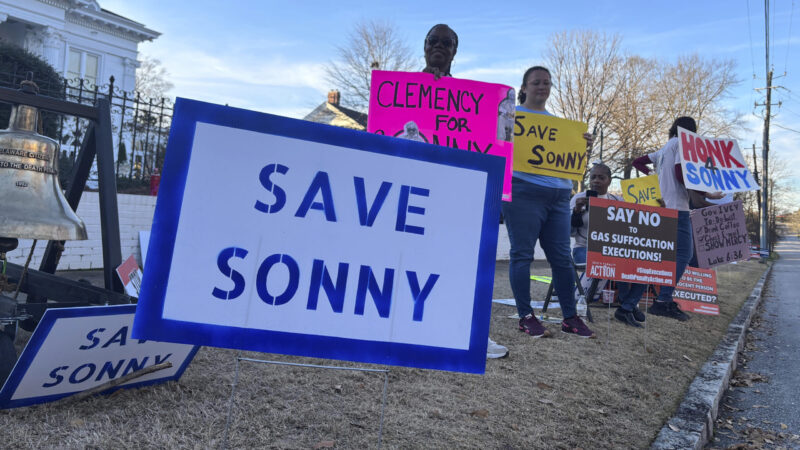
Alabama man facing execution for deadly robbery asks for clemency as he didn’t kill victim
Charles “Sonny” Burton is scheduled to be executed March 12 for his role in a 1991 robbery in which a man was fatally shot. His supporters and attorney are asking the governor for clemency, arguing that his life should be spared because Burton didn’t fire the gun or witness the killing.
One week into the Iran war, the fallout is global
The war is no longer just about the U.S., Israel and Iran. More countries are getting caught in the political crossfire or being drawn into the fighting themselves.
