
Iran and the IAEA are expected to resume cooperation under agreement backed by Egypt
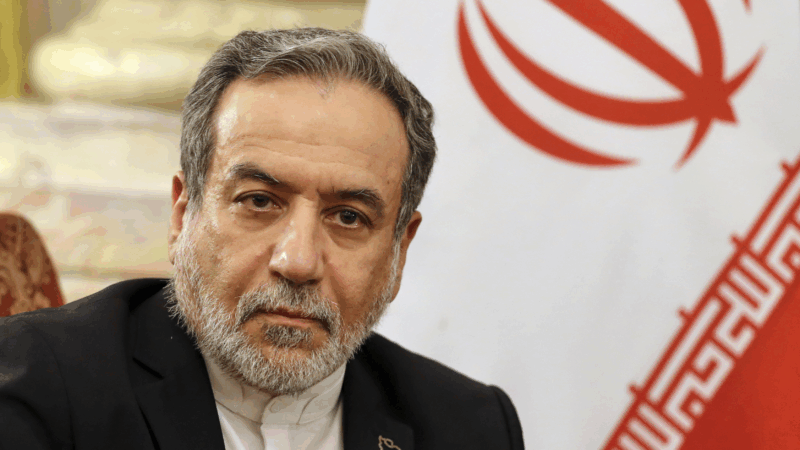
CAIRO — Iran and the International Atomic Energy Agency signed an agreement Tuesday in Cairo to pave the way for resuming cooperation, including on ways of relaunching inspections of Iran’s nuclear facilities.
The announcement followed a meeting among Egyptian Foreign Minister Badr Abdelatty, his Iranian counterpart Abbas Araghchi and International Atomic Energy Agency Director General Rafael Grossi.
The meeting came at a sensitive time as France, Germany and the United Kingdom on Aug. 28 began the process of reimposing sanctions on Iran over what they have deemed non-compliance with a 2015 agreement aimed at preventing Iran from developing nuclear weapons.
On July 2, Iran’s President Masoud Pezeshkian signed a law adopted by his country’s parliament suspending all cooperation with the U.N. nuclear watchdog. That followed Israel’s 12-day war with Iran in June, during which Israel and the U.S. struck Iranian nuclear sites.
The only site inspected by the IAEA since the war has been the Bushehr Nuclear Power Plant, which operates with Russian technical assistance. Inspectors watched a fuel replacement procedure at the plant over two days starting Aug. 27.
IAEA inspectors have been unable to verify Iran’s near bomb-grade stockpile since the start of the war on June 13, which the U.N. nuclear watchdog described as “a matter of serious concern.”
Egypt has been helping bolster cooperation between Iran and the IAEA.
The Iranian foreign ministry said last month that talks between his country and the agency would be “technical” and “complicated.”
Relations between the two had soured after a 12-day air war was waged by Israel and the U.S in June, which saw key Iranian nuclear facilities bombed. The IAEA board said on June 12 that Iran had breached its non-proliferation obligations, a day before Israel’s airstrikes over Iran that sparked the war.
Russian strike on Kyiv region kills 4 and wounds 15, with peace talks stalled
The strikes comes after the United States paused ceasefire talks between Russia and Ukraine due to the war with Iran.
As the risk of measles grows, why are parents so divided on vaccines?
In South Carolina, some parents embrace vaccines, others opt out. Why do people make such different choices? A mix of politics, distrust and misinformation is pushing neighbors apart.
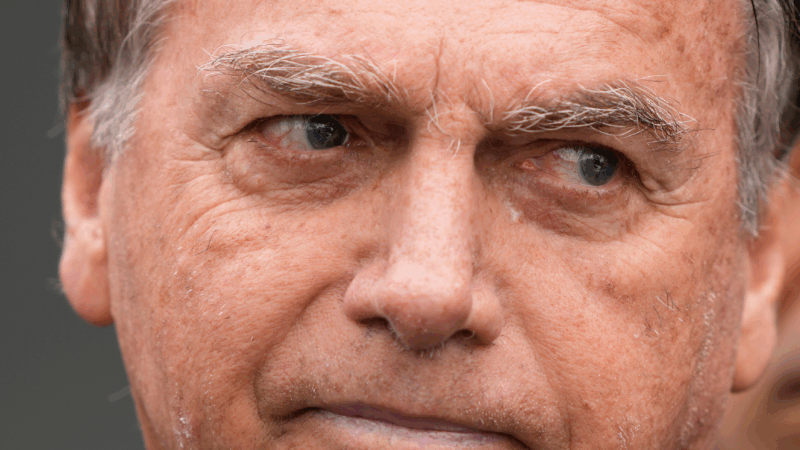
Brazil’s ex-President Bolsonaro is in intensive care with pneumonia, hospital says
One of Bolsonaro's doctor's described the former Brazilian president's medical condition as "serious."
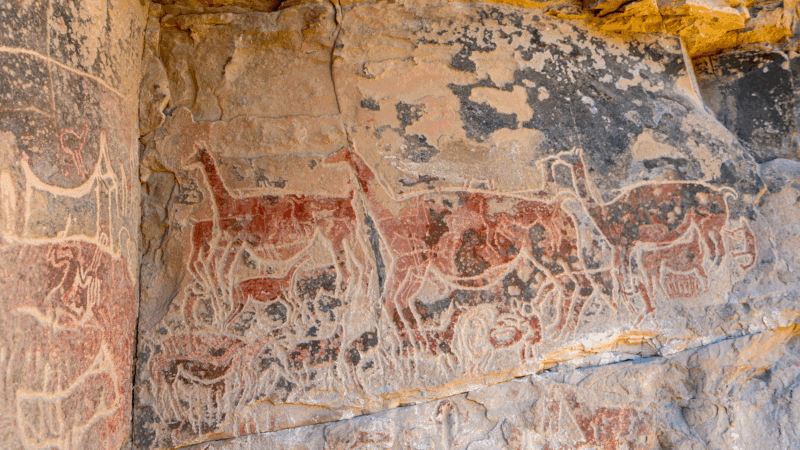
Opinion: An ancient, sophisticated palate
Researchers looking at foodcrusts on the pottery shards of ancient humans say there's evidence of a wide variety of ingredients, indicating that they may have been experimenting with "recipes."
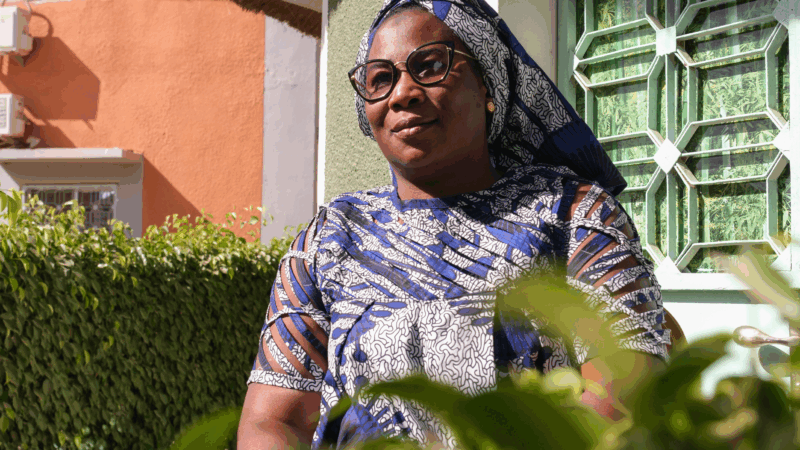
Why women have an especially tough time in Senegal’s prisons
Women charged with a crime in Senegal are at the mercy of a slow judicial process and prisons that may lack basic supplies. They also face stigma that robs them of familial and community support.
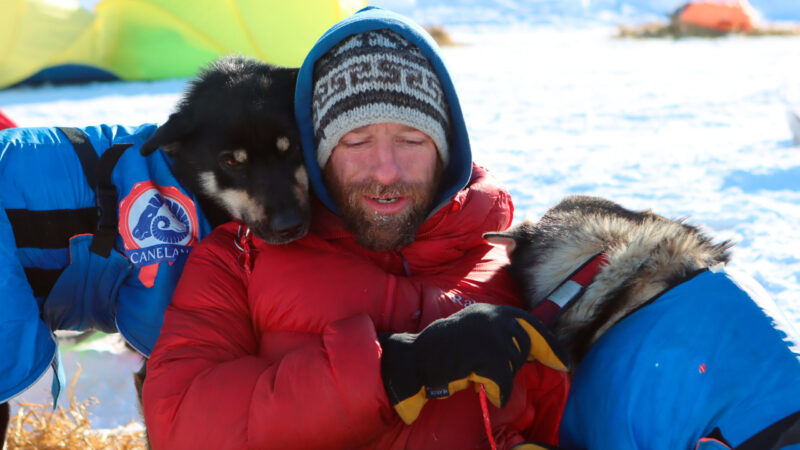
Musher from Alabama is going for back-to-back Iditarod wins
Riches and paid appearances haven’t followed Jessie Holmes since he won the world’s most famous sled dog race, the Iditarod, last year. He doesn't mind.
