
Inflation rose less than expected in September, the U.S. belatedly reports

Annual inflation rose less than expected in September, according to a crucial report published Friday, nine days later than normal due to the government shutdown.
Consumer prices rose 3.0% in September from a year ago, slightly below forecasters’ expectations, according to the U.S. Bureau of Labor Statistics (BLS). On a month-to-month basis, prices rose 0.3%, cooling slightly from the 0.4% inflation reported in August.
Overall, the inflation data likely add fuel to expectations that the Federal Reserve to cut interest rates by another quarter percentage point at its policy meeting later this month — its second consecutive cut.
But the Fed is missing other key economic data since most BLS workers were furloughed at the beginning of the month, when the shutdown began. Most government economic reports have been suspended until funding is restored.
A core group of BLS number-crunchers were recalled specifically to publish the September inflation report, which was initially set to publish on Oct. 15. That’s because it’s a key part of the formula used to calculate the cost-of-living adjustment (COLA) that 75 million Social Security recipients will receive next year.
The Social Security Administration (SSA) later on Friday said that payments to recipients will increase by 2.8% next year, or an increase of about $56 per month starting in January.
The COLA increase for next year is higher than the 2.5% increase that Social Security beneficiaries got this year, but it’s below the 3.1% average over the past decade, according to the SSA.
The raw material for the inflation report – the price checks on hundreds of goods and services around the country – was collected in September. Tariffs continue to put upward pressure on the price of imported goods, while other components of inflation, such as housing costs, have been moderating somewhat.

When a horse whinnies, there’s more than meets the ear
A new study finds that horse whinnies are made of both a high and a low frequency, generated by different parts of the vocal tract. The two-tone sound may help horses convey more complex information.
Hundreds of American nurses choose Canada over the U.S. under Trump
More than 1,000 American nurses have successfully applied for licensure in British Columbia since April, a massive increase over prior years.

Trump’s many tariff tools mean consumer prices won’t go down, analysts say
The Supreme Court struck down President Trump's signature tariffs. But the president has other tariff tools, and consumers shouldn't expect cheaper prices anytime soon, economists say.
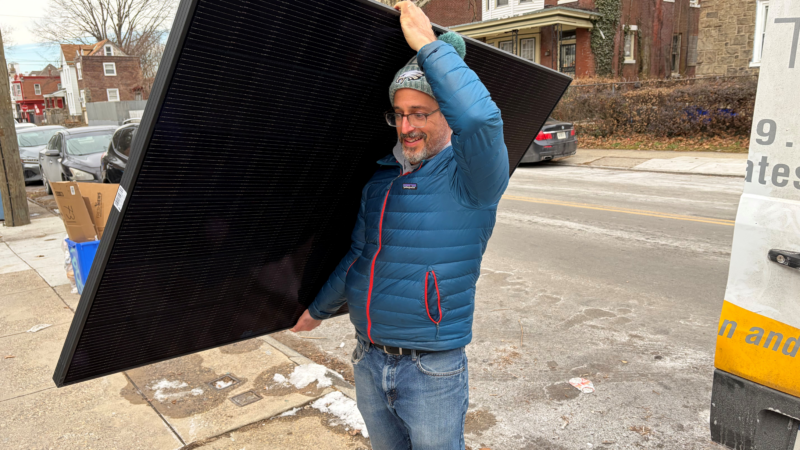
Tax credits for solar panels are available, but the catch is you can’t own them
Rooftop solar installers are steering customers toward leases instead of purchases. Federal tax credits for purchased systems have ended but are still available for leased ones.
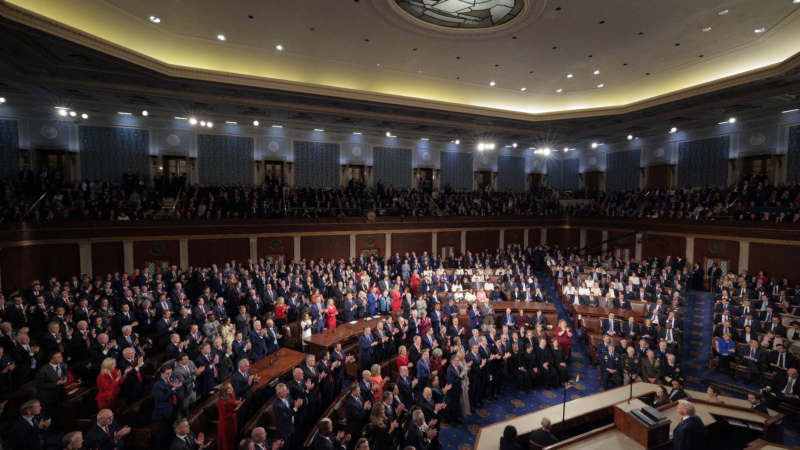
5 takeaways from Trump’s State of the Union address
President Trump hit familiar notes on immigration and culture in his speech Tuesday night, but he largely underplayed the economic problems that voters say they are most concerned about.

China restricts exports to 40 Japanese entities with ties to military
China on Tuesday restricted exports to 40 Japanese entities it says are contributing to Japan's "remilitarization," in the latest escalation of tensions with Tokyo.
