
India says it killed militants behind the deadly attack on civilians in Kashmir
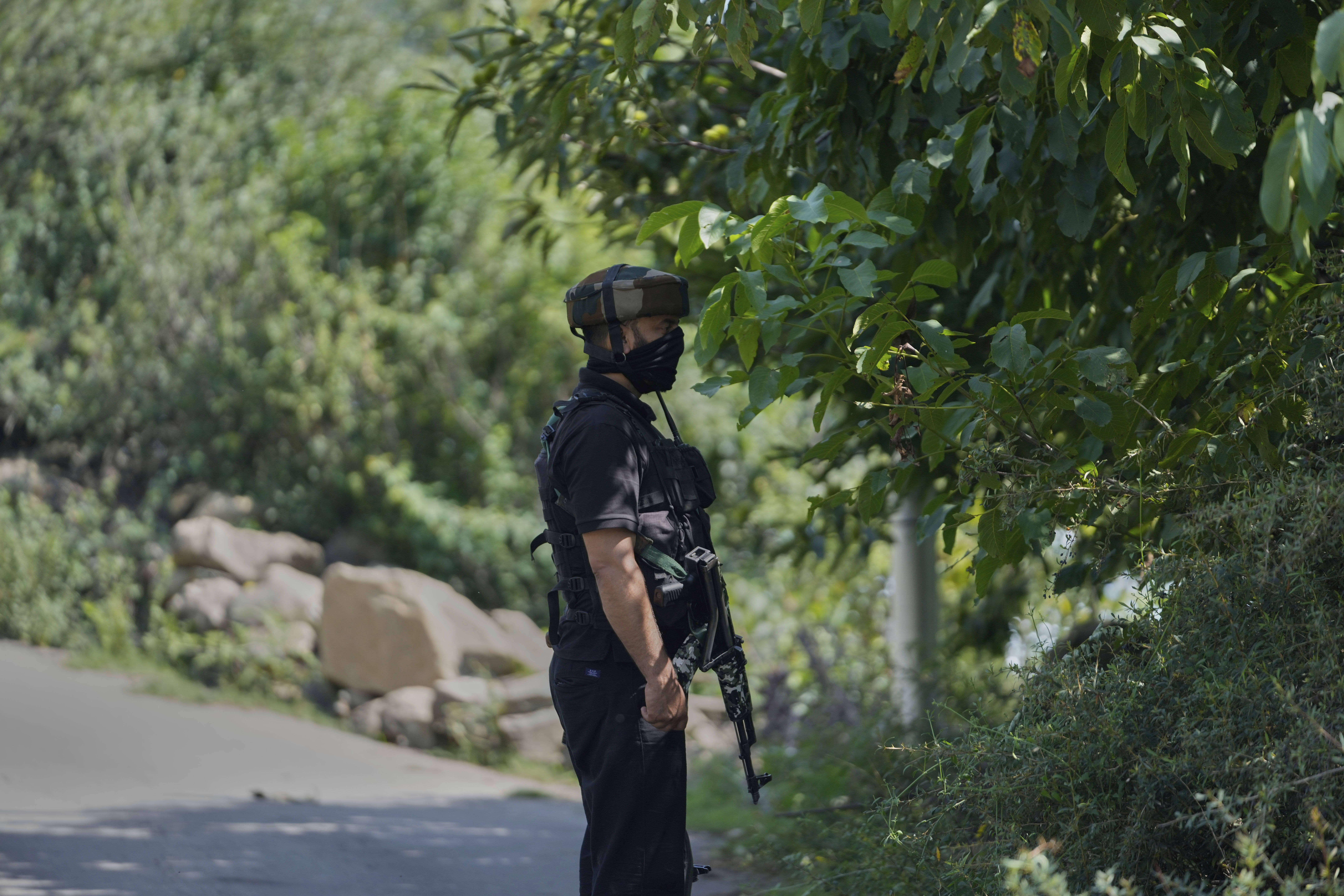
MUMBAI, India — Three months after militants killed 26 tourists at a scenic meadow in the Himalayas, India said on Tuesday that its security forces had found and killed three gunmen behind the massacre.
The attack took place in Pahalgam district of India-administered Kashmir on April 22. It created nationwide outrage after eyewitnesses recalled the militants appearing to target Hindu men. India insisted that Pakistan was behind the attack, a claim Pakistan denied. The killings also triggered a brief tit-for-tat military confrontation between the two nuclear rivals.
In a speech in Parliament on Tuesday, home minister Amit Shah said the three slain “terrorists” were from Pakistan, and that voter ID cards and chocolates recovered from them were proof. He added that the cartridges recovered from them matched with those found at the site of the April killings. Locals who had provided food and shelter to the gunmen before the April killings had confirmed their identities, he said.
It is the first time an Indian minister has publicly provided evidence to link the April attackers to Pakistan. Pakistan hasn’t commented on the fresh claims. Last week, its foreign office said ithad already dismantled Lashkar-e-Taiba, the Pakistani militant group India says was behind the attacks.
The deadly attack in April escalated to a four-day military fight between India and Pakistan in the second week of May. Dozens died and thousands were displaced.
The fighting stopped after four days. U.S. President Trump claimed credit for the ceasefire in a social media post. He later said that he had used trade negotiations as leverage, which India disputed. Pakistan planned to nominate Trump for a Nobel Peace Prize for his intervention.
In recent months, the Hindu-nationalist government of Narendra Modi had come under pressure from India’s political opposition on the intelligence failure that led to the April attacks, its inability to catch the attackers for months and its diplomatic failures in the aftermath of its strikes on Pakistan.

The ongoing session of Parliament was the first time the government had scheduled a debate on those issues. The killings of the militants coincided with the start of the debate. In his 70-minute speech on Tuesday, home minister Shah did not acknowledge shortcomings on security. External affairs minister S Jaishankar, too, has defended his diplomacy.
Praveen Donthi, an analyst with the think tank International Crisis Group, says there are many unanswered questions still. The Indian government, he says, should release the full names of the militants, their weapons and voter ID numbers, and give a more structured account of the Kashmir attack and subsequent investigation.
Donthi says it also needs to explain why security forces blew up the family houses of suspected Kashmiri militants if all three perpetrators were from Pakistan. “Otherwise all this will be looked upon by the international community as an effort to score political points domestically.”
India’s opposition, meanwhile, has asked the government to fix accountability for its shortcomings.
“For the first time in the history of our country, the war was stopped abruptly and the announcement of the decision was done by the U.S. President,” said Priyanka Gandhi, a parliamentarian from the opposition Congress Party. “Leadership is not just about taking credit but responsibility also needs to be taken.”
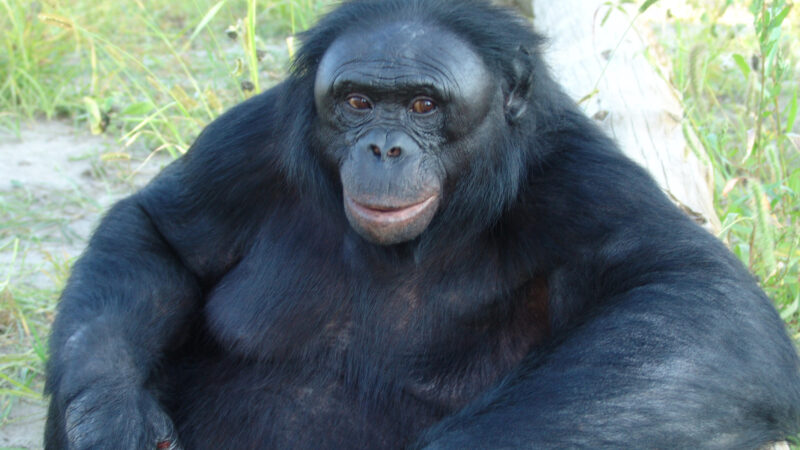
An ape, a tea party — and the ability to imagine
The ability to imagine — to play pretend — has long been thought to be unique to humans. A new study suggests one of our closest living relatives can do it too.
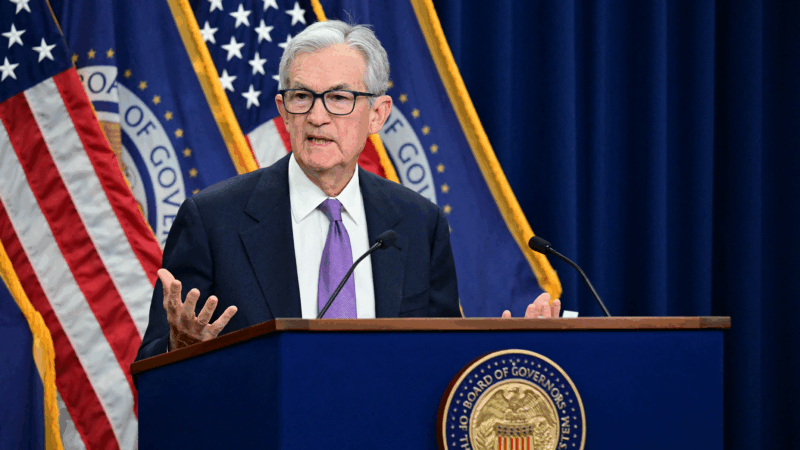
How much power does the Fed chair really have?
On paper, the Fed chair is just one vote among many. In practice, the job carries far more influence. We analyze what gives the Fed chair power.

‘Please inform your friends’: The quest to make weather warnings universal
People in poor countries often get little or no warning about floods, storms and other deadly weather. Local efforts are changing that, and saving lives.
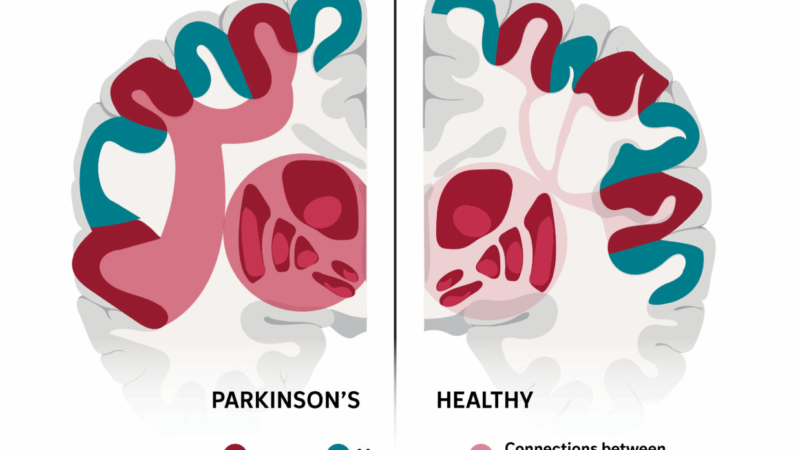
This complex brain network may explain many of Parkinson’s stranger symptoms
Parkinson's disease appears to disrupt a brain network involved in everything from movement to memory.
Immigration officials to testify before House as DHS funding deadline approaches
Congressional Democrats have a list of demands to reform Immigration and Customs Enforcement. But tensions between the two parties are high and the timeline is short – the stopgap bill funding DHS runs out Friday.

How the use of AI and ‘deepfakes’ play a role in the search for Nancy Guthrie
As artificial intelligence becomes more advanced and commonplace, it can be difficult to know what's real and what's not, which has complicated the search for Nancy Guthrie, according to law enforcement. But just how difficult is it?
