
How FDA cuts could make the food and drug supply less safe
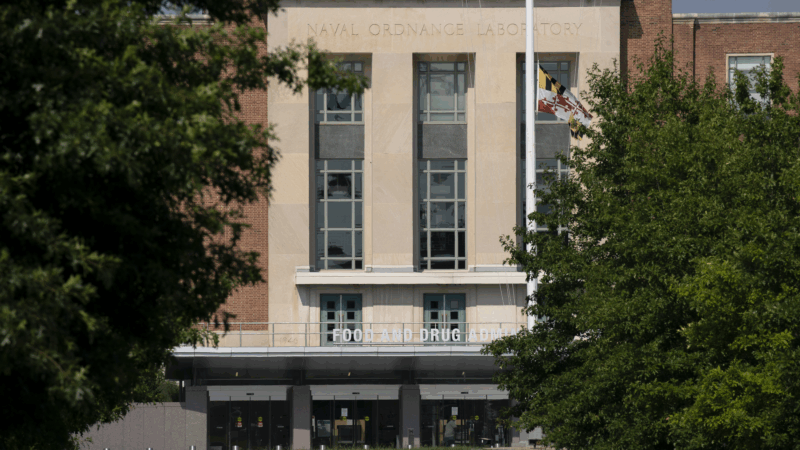
When Health and Human Services Secretary Robert F. Kennedy Jr. announced in March that he would eliminate thousands of jobs from federal health agencies, he promised that he would spare the inspectors who keep America’s food and drugs safe by scrutinizing factories around the world.
Kennedy kept his word and didn’t fire inspectors, but key support staffers who handled travel arrangements, reimbursements and more are gone, according to two current inspectors who spoke on condition of anonymity because they weren’t authorized to speak to the media.
Some of the support staffers were asked to come back temporarily. But last week, they were told to go home again, the current inspectors said.
That loss of support could make it much harder to inspect factories producing things like baby formula, eye drops, cinnamon and a range of generic drugs, all of which have had manufacturing problems that led to recalls in recent years. In some cases, people were injured or died.
“That is America’s first line of defense for the safety of their food and their drugs,” said a current pharmaceutical inspector.
In response to questions from NPR, HHS said in a statement: “The FDA is monitoring inspectional travel and ensuring necessary support is in place to continue these functions.”
Shift of trip planning slows down inspections
But some inspectors are canceling their trips because of the staff cuts. A food and animal feed inspector who wasn’t authorized to speak publicly told NPR they’re still waiting to be reimbursed for thousands of dollars in recent inspection-related travel expenses. “I don’t trust the process,” the inspector said.
FDA staffers received an email on April 7 telling them they would be responsible for their own travel arrangements from now on, offering office hours for people who need help. Inspectors say it’s not that simple.
“International travel is extremely complicated,” said the food and feed inspector. “Some countries require visas, others don’t. The coordinators maintained a master list and helped process visa paperwork. While I was doing inspections, they kept everything moving behind the scenes.”
A March 11 email to FDA staff says the administration lowered government employee credit card limits to $1. Now to book travel, inspectors need prior approval to get the credit limit raised. The drug inspector said the administrator they had emailed for authorization had been laid off. “It’s hard to believe the work is actually going to get done,” the inspector said.
Inspections were already falling short of goals
The reduced support for inspectors could exacerbate long-standing problems.
According to a recent Government Accountability Office report, staffing problems caused the FDA to conduct fewer drug inspections in 2023 than it did before the COVID-19 pandemic, when such inspections were paused. “Since resuming inspections, FDA has struggled to retain staff,” the report said. “From Nov. 2021 to June 2024, the vacancy rate among investigators who inspect foreign and domestic manufacturers jumped from 9% to 16% — leading to fewer inspections.” Concerns about pay and work-life balance contributed to turnover, the report said.
The agency also hasn’t met its goals for foreign or domestic food inspections since 2018, according to another GAO report.
Peter Baker, who spent 10 years as an FDA drug inspector before leaving in 2019, said not being able to inspect facilities especially in countries like China and India is a “really big deal.”
“It matters a lot because most of our generic products are made in areas of the world that are semi-regulated or unregulated,” said Baker, who now runs a consulting firm called Live Oak Quality Assurance. “So the only outside eyes that are going to look at the quality system that is backing these drugs that these patients are eventually going to take is the FDA investigator. They may be the only person with an independent lens who’s going to look at the conditions under which these products are manufactured.”
For instance, during a two-week inspection of a drug factory in India that ended last September, FDA inspectors observed inadequate cleaning of equipment, problems with air handling systems (including bird droppings and feathers on air purification units) and 15 waste bags containing torn quality records, according to an agency warning letter made public in March. The company, Granules India Limited, did not respond to NPR’s request for comment.
International trips take extra support
The laid-off support staffers used to handle air travel, hotels and ground transportation — all for inspectors’ trips around the world. “This was a full-time job for someone for a reason — it’s a ton of work,” the food and feed inspector said.
“It appears that this is going to slow down the ability of inspectors to get their work done,” said Baker. “The quality of inspections is inevitably going to go down, which is a sad situation for public health. And I think overall, the patients that are most vulnerable, which is generally young children and older people, are going to bear the consequences of this.”
International inspection trips typically last three weeks, involve multiple facilities and cost more than $10,000, the current inspectors and Baker told NPR. Sometimes, that’s the cost of the airfare alone.
Entire trips go on government credit cards in the inspectors’ names. If the government doesn’t reimburse them promptly, the inspectors worry about having to pay the steep bills themselves.
“It’s very stressful,” said Baker. “They’re probably going to have to take out loans from family members or maybe even from a bank to be able to fulfill their obligations on those credit cards if those expense report payments are delayed.”
The uncertainty is a problem because the FDA was already short-staffed and has trouble attracting and keeping people who can make more money in the private sector.
Chris Middendorf, who spent most of his more than two decades at the FDA as an inspector, said if inspectors now need to spend at least a week handling trip logistics themselves, that’s time they can’t be writing up previous inspection reports, learning about new technologies and preparing for their next inspection. “So it’s all just going to slow down the inspection process.”
Middendorf, who is now senior director of pharmaceutical and biotech compliance at the law firm Hogan Lovells, said in-person inspections remain the gold standard for assuring quality. When it comes to drugs, the biggest risk factor in contamination is human error.
“What you don’t want to see are basically operators touching [their faces], messing around with their mask by touching things with their hands they shouldn’t be,” he said, explaining that these errors can cause bacteria to get into sterile products. “But the only way you can see them is by standing outside the production window and watching for hours.”
High-speed trains collide after one derails in southern Spain, killing at least 21
The crash happened in Spain's Andalusia province. Officials fear the death toll may rise.
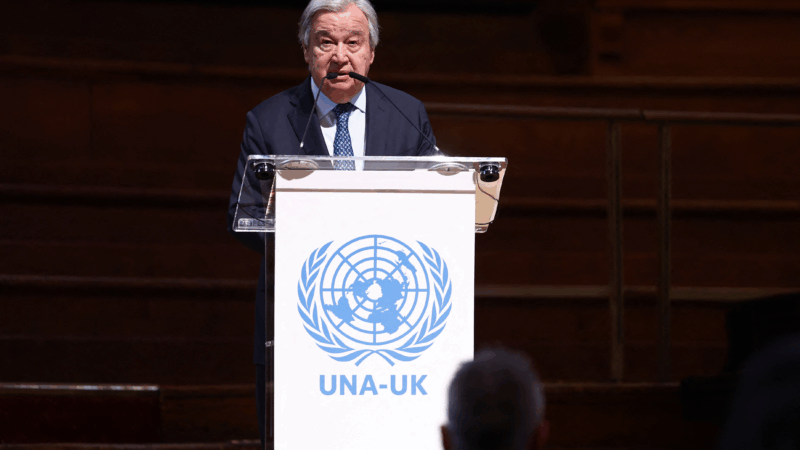
United Nations leaders bemoan global turmoil as the General Assembly turns 80
On Saturday, the UNGA celebrated its 80th birthday in London. Speakers including U.N. Secretary-General António Guterres addressed global uncertainty during the second term of President Trump.

Parts of Florida receive rare snowfall as freezing temperatures linger
Snow has fallen in Florida for the second year in a row.

European leaders warn Trump’s Greenland tariffs threaten ‘dangerous downward spiral’
In a joint statement, leaders of eight countries said they stand in "full solidarity" with Denmark and Greenland. Denmark's Prime Minister Mette Frederiksen added: "Europe will not be blackmailed."
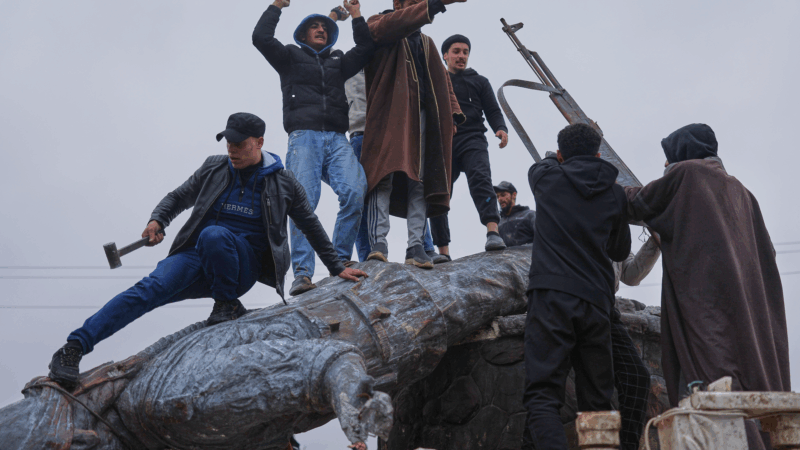
Syrian government announces a ceasefire with the Kurdish-led Syrian Democratic Forces
Syria's new leaders, since toppling Bashar Assad in December 2024, have struggled to assert their full authority over the war-torn country.
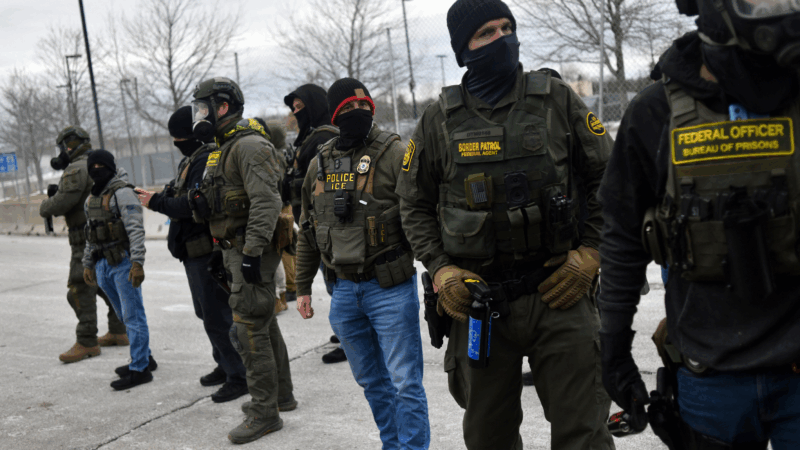
U.S. military troops on standby for possible deployment to Minnesota
The move comes after President Trump again threatened to invoke the Insurrection Act to control ongoing protests over the immigration enforcement surge in Minneapolis.
