
How cuts to federal climate funds could threaten polar vortex research

A major snow and ice storm is expected to affect tens of millions of people from Texas to New England over the weekend.
The storm is very large and it could be particularly dangerous because a frigid mass of air known as a polar vortex will linger for days after the snow and freezing rain stop falling. That could lead to deadly conditions if people lose power, as happened in Texas in 2021 when the state’s electrical grid failed after winter storms, killing at least 246 people.
For the latest warning information, click on your location on the National Weather Service website. In its winter storm guidance, the Federal Emergency Management Agency (FEMA) recommends getting extra batteries for flashlights, filling up your car’s gas tank and reviewing how to use your generator if you have one.
Winter storms are a normal part of life in North America. But winter weather patterns are shifting as the global climate warms, and scientists are working to understand those changes. Such research is crucial because it is the first step toward even more accurate weather forecasts.
Cuts made by the Trump administration to federal climate research could threaten that work.
Here’s what we know about the complex relationship between climate change and winter storms, and federal cuts could affect efforts to better-predict such weather.
Polar air is coming very far south
Usually, very cold air is contained in the Earth’s polar regions by the jet stream – a strong river of air high in the atmosphere. But the jet stream periodically gets weak and wavy. When that happens, very cold air moves south in a so-called polar vortex, as it will over the weekend and next week.

When very cold weather grips a lot of the U.S., it can create deadly conditions, particularly in areas where such weather is less common. Homes across the south are often not well-insulated, and local governments do not have many resources available for clearing snow and ice from roads.
Climate change might be making the jet stream wavier. But also maybe not.
The relationship between global warming and changes in the jet stream is a very active research topic, and the science is far from settled.
Some studies suggest that human-caused climate change may be making the jet stream wavier. That could make periods of frigid winter weather in the continental U.S. more likely and more widespread, even as winters get warmer overall.
Other studies suggest that the jet stream goes through natural periods of waviness, independent of climate change. This would mean that the kind of very cold weather that’s forecast for the southern U.S. in the next week would remain relatively rare.
Predicting jet stream changes is also important for weather forecasts more broadly, because weather systems move with the jet stream. And being able to better-predict when and where severe weather will occur is crucial for keeping society running, says Kevin Reed, a climate scientist at Stony Brook University.
“It’s critical to our logistics, to shipping, to how we build our cities, how we build our homes, how we plan for disasters, where we build transportation systems,” Reed explains.
Federal science cuts threaten research on the jet stream and polar vortex
Many of the scientists who study the jet stream are employed directly by federal agencies, including NASA and the National Oceanic and Atmospheric Administration (NOAA). Others work at federally supported laboratories, such as the National Center for Atmospheric Research in Boulder, Colo.
The Trump administration is trying to eliminate much of that work from the federal budget. Last year, the White House asked Congress to cut NOAA’s Office of Atmospheric Research. Congress instead moved to protect funding for federal laboratories.
Cuts by the Department of Government Efficiency (DOGE) also led to hundreds of vacancies at National Weather Service offices across the country last year, though the administration reversed course and allowed that agency to fill many of those positions.
The administration has also made steep staffing and budget cuts to NASA’s earth science programs, and to the National Science Foundation (NSF), which funds climate work by researchers at universities and other institutions.
In December, the White House Office of Management and Budget Director Russ Vought announced plans to break up the National Center for Atmospheric Research, saying in a post on X that the center was undergoing a “comprehensive review.” The White House did not respond to questions from NPR about the status of that review.
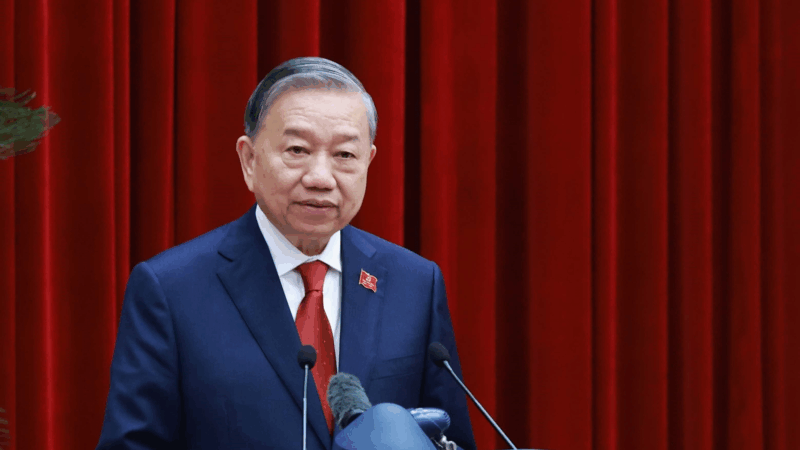
Vietnam leader To Lam consolidates power as country targets 10% growth
Lam, 68, pledged to accelerate economic growth and was reappointed unanimously by the 180-member Central Committee at the conclusion of the National Party Congress.
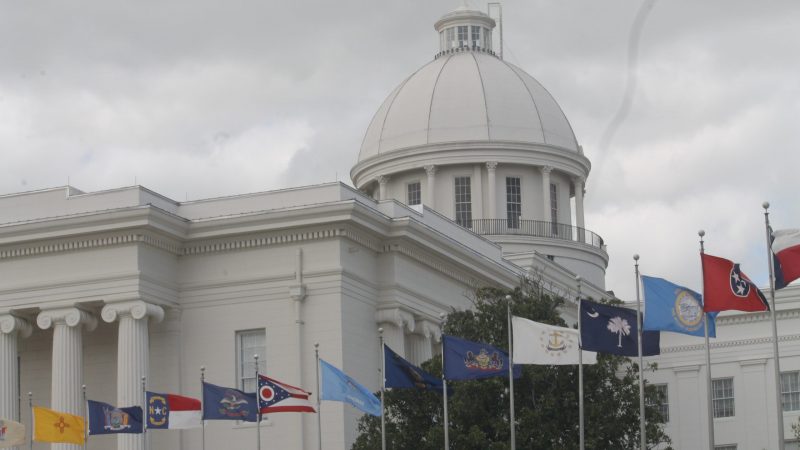
Immigration enforcement bill draws public backlash
President Trump has made immigration enforcement a centerpiece of his second term. A bill under consideration in the Alabama legislature would dovetail with those efforts by expanding what law enforcement could do on immigration in the state. We get more details about that and other legislative matters in our weekly check-in with Todd Stacy, host of Capital Journal on Alabama Public Television.

Who’s Board of Peace and who’s bored of peace? The quiz knows — do you?
Plus: The Oscars, tool-using animals, Nobel drama and more.
How Minnesota became the center of a political crisis
In the days leading up to Renee Macklin Good's death, the political situation in Minneapolis had turned combustible. Her shooting has exposed how colliding forces set the stage for the ongoing crisis.
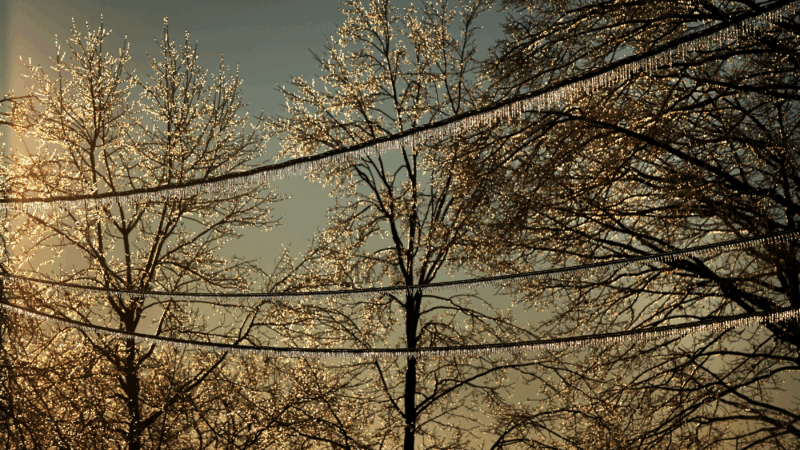
Ice may be more hazardous than snow this weekend. What to expect and how to prepare.
A major winter storm is expected to impact more than 200 million people in United States this weekend. Freezing rain and ice is a particular concern.

How President Trump has challenged a constitutional foundation
In his first year back in the White House, President Trump has presided over a sweeping expansion of executive power while eroding democratic norms.
