
How an AI-generated summer reading list got published in major newspapers
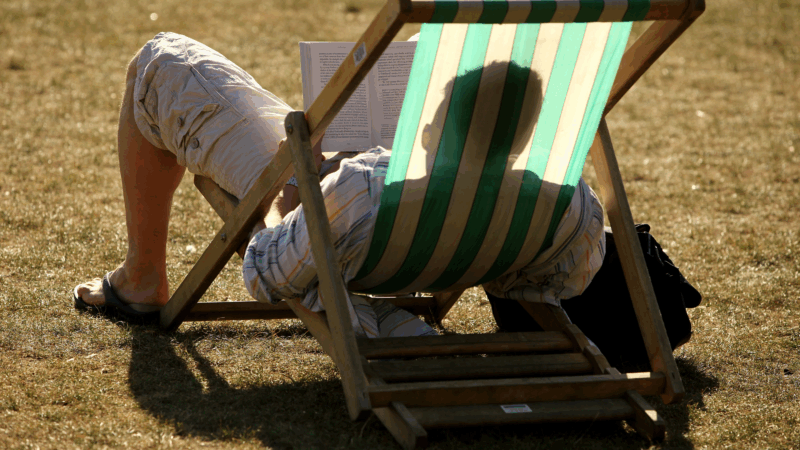
Some newspapers around the country, including the Chicago Sun-Times and at least one edition of The Philadelphia Inquirer have published a syndicated summer book list that includes made-up books by famous authors.
Chilean American novelist Isabel Allende never wrote a book called Tidewater Dreams, described in the “Summer reading list for 2025” as the author’s “first climate fiction novel.”
Percival Everett, who won the 2025 Pulitzer Prize for fiction, never wrote a book called The Rainmakers, supposedly set in a “near-future American West where artificially induced rain has become a luxury commodity.”
Only five of the 15 titles on the list are real.
Ray Bradbury, who coincidentally hated computers, did write Dandelion Wine, Jess Walter wrote Beautiful Ruins and Françoise Sagan penned the classic Bonjour Tristesse.
According to Victor Lim, marketing director for the Chicago Sun-Times’ parent company Chicago Public Media, the list was part of licensed content provided by King Features, a unit of the publisher Hearst Newspapers.
The list has no byline. But writer Marco Buscaglia has claimed responsibility for it and says it was partly generated by Artificial Intelligence, as first reported by the website 404 Media. In an email to NPR, Buscaglia writes, “Huge mistake on my part and has nothing to do with the Sun-Times. They trust that the content they purchase is accurate and I betrayed that trust. It’s on me 100 percent.”
Yep- the bogus summer reading list from the Chicago Sun Times is real. Here I am with it from a few minutes ago.
(Support your local library!!)
— Tina Books (@tbretc.bsky.social) May 20, 2025 at 11:01 AM
When one user posted a photo of the list on social media, writers and readers were upset.
“As a subscriber, I am livid!” xxxlovelit writes on Reddit. “What is the point of subscribing to a hard copy paper if they are just going to include AI slop too!?”
On Bluesky, author, former librarian and Book Riot editor Kelly Jensen laments, “This is the future of book recommendations when libraries are defunded and dismantled. Trained professionals are removed in exchange for this made up, inaccurate garbage.”
“We are looking into how this made it into print as we speak,” said a statement given to NPR by Lim. “This is licensed content that was not created by, or approved by, the Sun-Times newsroom, but it is unacceptable for any content we provide to our readers to be inaccurate. We value our readers’ trust in our reporting and take this very seriously. More info will be provided soon as we investigate.”
The fake summer reading list is dated May 18, two months after the Chicago Sun-Times announced that 20% of its staff had accepted buyouts “as the paper’s nonprofit owner, Chicago Public Media, deals with fiscal hardship.”
For author and NPR Books contributor Gabino Iglesias, the fake book list speaks to the problems plaguing all media these days: “How many full-time book reviewers are there in the U.S.? Very few,” he said.
At the same time, Iglesias said there are plenty of people writing or talking about books online and on podcasts.
Iglesias said he’s one of the many writers who are trying to file a class action lawsuit to protect their work from AI.
He joked that if people really want to read the fake books described on the list, he and plenty of other authors are ready to serve.
“Pay writers, and then we can write these fake books that don’t exist,” he laughed.
Jennifer Vanasco edited this story.
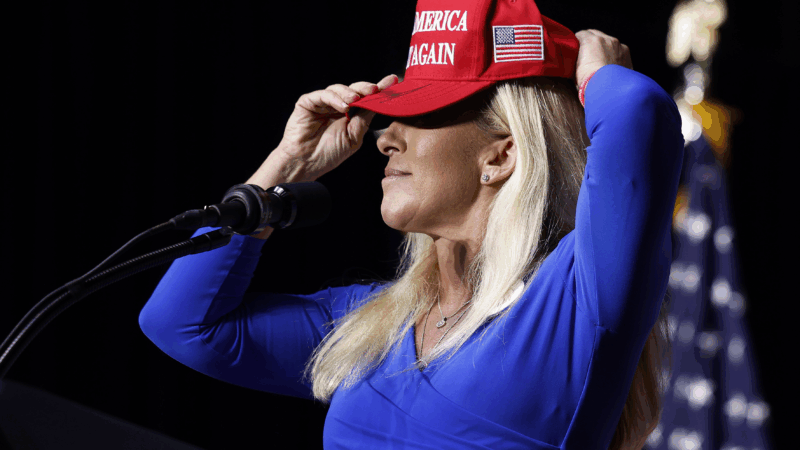
Trump promised the MAGA base no new wars. Then he went to war with Iran
President Trump promised his "Make America Great Again" voters an "America First" foreign policy. With the war in Iran, he's testing MAGA world's willingness to be flexible on one of its core beliefs.
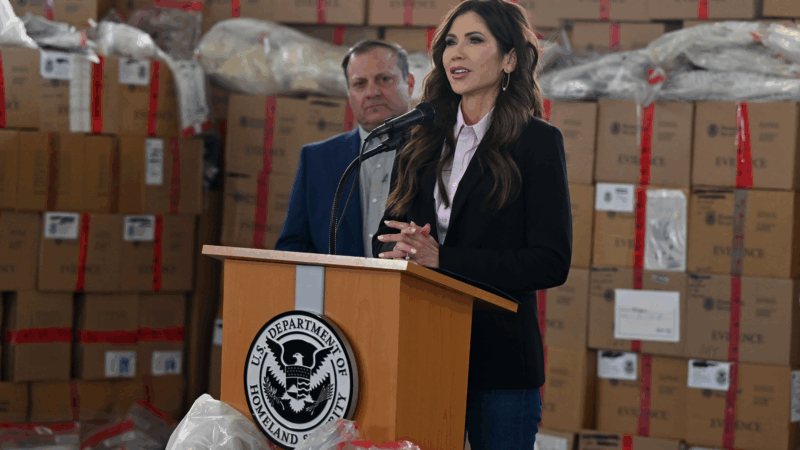
Kristi Noem set to face senators over DHS shutdown, immigration enforcement
The focus of the hearing is likely to be on how Kristi Noem is pursuing President Trump's mass deportation efforts in his second term, after two U.S. citizens were killed by immigration officers.
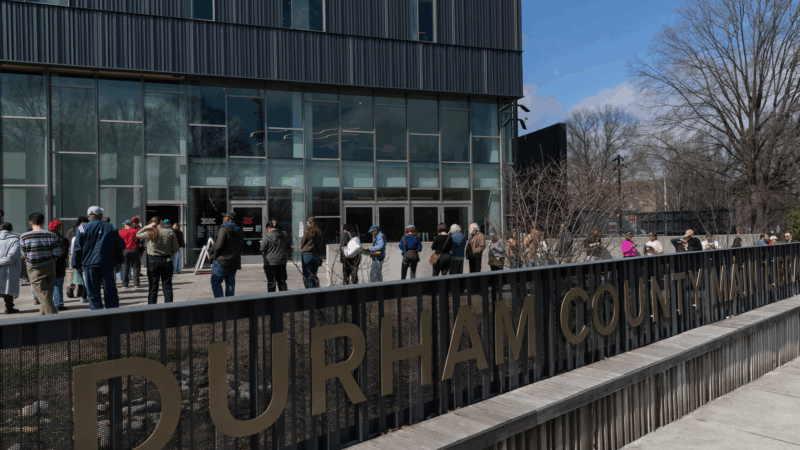
North Carolina and Texas have primary elections Tuesday. Here’s what you need to know
The midterm elections are officially underway and contests in Texas and North Carolina will be the first major opportunity for parties to hear from voters about what's important to them in 2026.
College students, professors are making their own AI rules. They don’t always agree
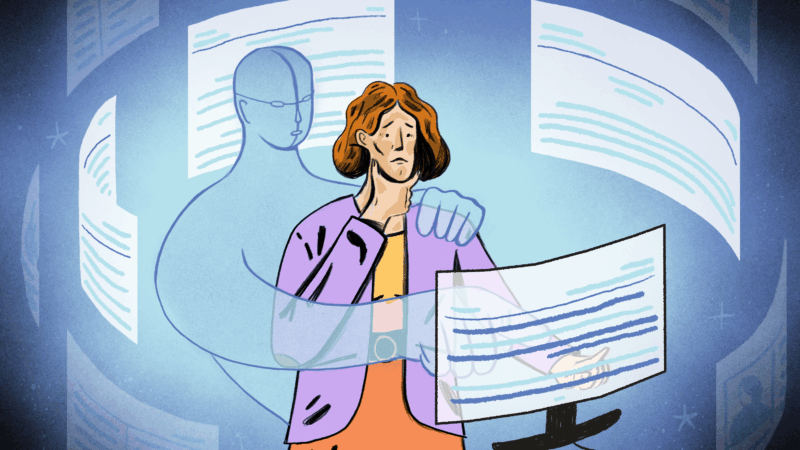
More than three years after ChatGPT debuted, AI has become a part of everyday life — and professors and students are still figuring out how or if they should use it.
Melania Trump presides at UN Security Council meeting as U.S. attacks Iran
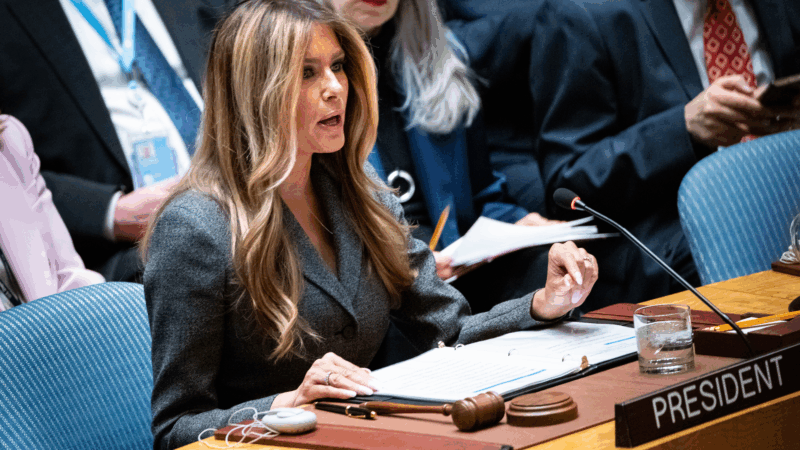
U.S. first lady Melania Trump presided over a U.N. Security Council meeting on Monday focusing on children in conflict, as the United States has joined Israel in attacking Iran.

In Vermont, small town meetings grapple with debate on big issues
Typically concerned with local issues, residents at town meetings in Vermont and elsewhere increasingly use the forum to debate polarizing national and international events.
