
Greetings from Damascus, Syria, where a crowded bar welcomed post-Assad revelers
Loading…
Far-Flung Postcards is a weekly series in which NPR’s international team shares moments from their lives and work around the world.
It was exactly a week after the Assad regime fell in Syria last December, and Damascus was euphoric.
My colleague and I came across a bar in the center of the city called Sugar Man. A small space, with purple lights, neon signs, a cowboy hat, colorful posters of American and Arab movies and celebrities, and posters advertising U.S. cities. The bartenders had trendy haircuts and piercings. People were tattooed, fashionable. I’d been told that some of them were young Syrian activists who’d fled to Beirut during the Assad regime. Now they were back home partying.
Only Arabic music played: pop, patriotic songs — including anti-Assad songs we heard all over the city — and the classics by legends like Fairuz and Umm Kulthum.
It was decidedly Syrian, Arab, proud — and free.
There were fears, though: Would the Islamist groups that led the revolt against Assad shut down places like this, confiscate alcohol, make the music stop?
Those questions lingered in everyone’s minds. But not tonight.
Tonight was for dancing.
See more photos from around the world:
- Greetings from Alishan, Taiwan, whose red cypress forests offer timeless beauty
- Greetings from Odesa, Ukraine, where a Black Sea beach offers respite from war
- Greetings from Shenyang, China, where workers sort AI data in ‘Severance’-like ways
- Greetings from Palmyra, Syria, with its once-grand hotel named for a warrior queen
- Greetings from Mexico City, where these dogs ride a bus to and from school
- Greetings from the Galápagos Islands, where the blue-footed booby shows its colors
- Greetings from Afrin, Syria, where Kurds danced their hearts out to celebrate spring
- Greetings from Dharamshala, India, where these Tibetan kids were having the best time
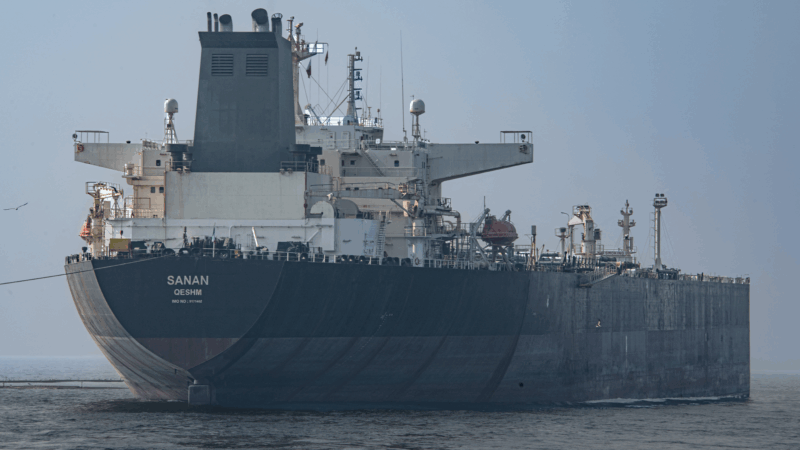
How could the U.S. strikes in Iran affect the world’s oil supply?
Despite sanctions, Iran is one of the world's major oil producers, with much of its crude exported to China.
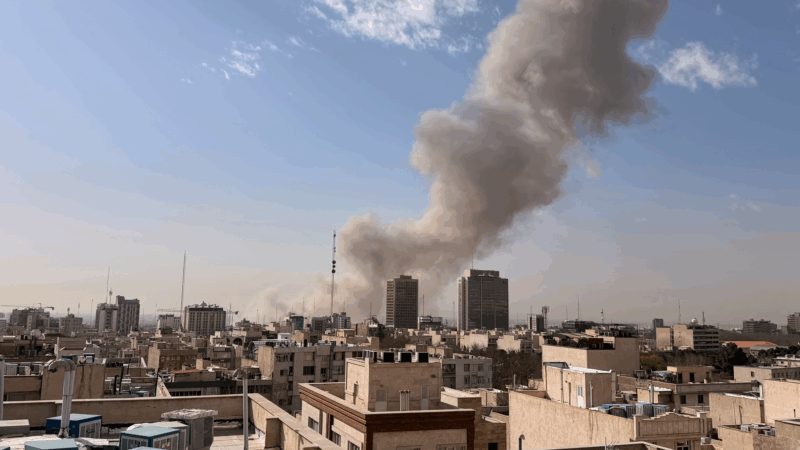
Why is the U.S. attacking Iran? Six things to know
The U.S. and Israel launched military strikes in Iran, targeting Khamenei and the Iranian president. "Operation Epic Fury" will be "massive and ongoing," President Trump said Saturday morning.
Sen. Tim Kaine calls on the Senate to vote on the war powers resolution
NPR's Scott Simon talks to Sen. Tim Kaine, D-Va., about the U.S. strikes on Iran.
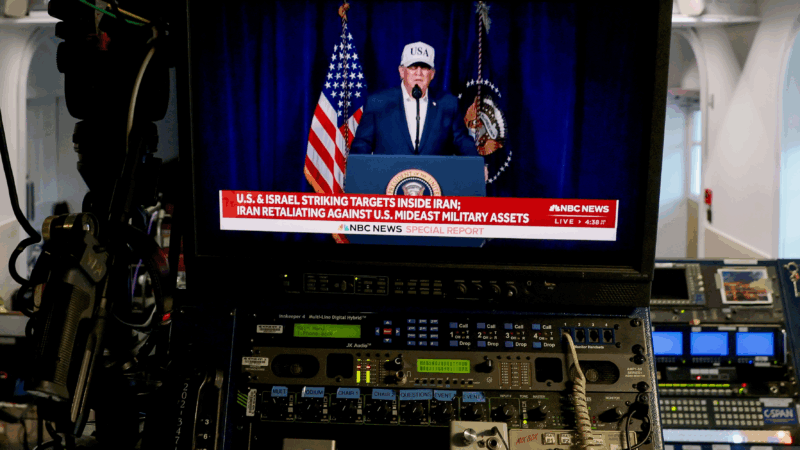
Iran strikes were launched without approval from Congress, deeply dividing lawmakers
Top lawmakers were notified about the operation shortly before it was launched, but the White House did not seek authorization from Congress to carry out the strikes.
Political science expert weighs in on Iran’s nuclear program in light of U.S. strikes
NPR's Scott Simon speaks to Ariane Tabatabai, the Public Service Fellow at Lawfare, about U.S. attacks on Iran and how President Trump's calls for regime change might be received there.
Week in Politics: Does Trump have political support for his actions in Iran?
We look at what President Trump's decision to attack Iran means, what kind of support he has in Iran and what this moment means for his administration.
