
German and Swedish jets intercept Russian military plane over Baltic Sea
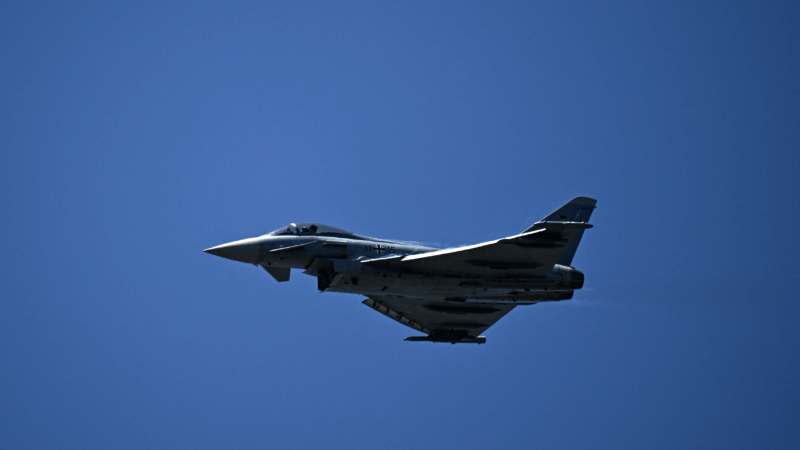
German and Swedish fighter jets were scrambled to intercept a Russian reconnaissance plane that entered neutral airspace over the Baltic Sea on Sunday morning, officials from Germany and Sweden said.
German officials said NATO ordered Germany’s “quick reaction alert force” to investigate an unidentified aircraft flying without a plan or radio contact.
“The aircraft turned out to be a Russian IL-20M reconnaissance plane. After visually identifying it, the Bundeswehr [German military] handed over the escort to our Swedish NATO partners @SwedenNato and returned to Rostock-Laage,” Germany’s delegation to NATO said in a post on X.
Sweden’s air force said its fighters were “identifying and monitoring a Russian IL-20 reconnaissance aircraft in international airspace.”
This was the latest event after a series of incursions by Russian military aircraft into NATO airspace in September, leading to heightened tensions between NATO and Russia.
On Friday, Estonia said three Russian MiG-31 fighter jets entered its airspace without permission and remained there for a total of 12 minutes.
Estonian Prime Minister Kristen Michal invoked NATO’s Article 4, which allows NATO members to hold consultations with the alliance when any state believes it is under threat.
Estonia also summoned Moscow’s charge d’affaires in protest, but Russia’s Ministry of Defense denied the allegation that it had violated Estonian airspace.
President Trump was asked about the incident by reporters on Friday.
“Well, I don’t love it. I don’t love it when that happens. Could be big trouble,” Trump said.
NATO’s Article 4 was also triggered days earlier by Poland after more than a dozen Russian drones arrived in Polish airspace on Sept. 10, leading Poland to shoot down some of them.
Polish Prime Minister Donald Tusk called the event “the closest we have been to open conflict since World War II.”
In another incident, on Sept. 14, Romania reported that a Russian drone had breached its airspace. Russia claimed without evidence that the incident was a provocation by Ukraine.
Hanno Pevkur, Estonia’s minister of defense, said in an interview with Estonia’s public broadcaster ERR that NATO had demonstrated that it can effectively respond and use force, if necessary, against violations by Russia.
“This is exactly what Russia wants — to divert our attention away from helping Ukraine, and to focus on our own backyard. That has been one of Russia’s strategic aims: To get the West to mind its own business while Russia deals with Ukraine. That is a key goal behind these kinds of provocations,” Pevkur said.

Pregnant women in ERs took less Tylenol after Trump autism warning
A study in The Lancet finds that pregnant women in emergency rooms used less Tylenol after President Trump said it could raise their babies' risk of autism. Scientists say there is no proven link.

Mixed reactions, including relief, greet news the Coast Guard is buying BSC campus
The U.S. Coast Guard will take possession of the 192-acre campus in the northeast corner of Birmingham’s Bush Hills Neighborhood and will begin work to refit it as a training center for officers and enlisted personnel.

What you need to know about Sen. Markwayne Mullin, Trump’s new pick to lead DHS
President Trump announced Thursday that Sen. Markwayne Mullin, R-Okla., is his pick to replace Kristi Noem as the head of the Department of Homeland Security.

Travel industry pushes Congress to end DHS shutdown and pay federal security workers
With the busy spring break travel season looming, travel and aviation industry leaders urged Congress to end the stalemate over DHS funding before workers at TSA and ports miss a full paycheck.

Trump fires Kristi Noem as DHS chief, names Sen. Markwayne Mullin to replace her
President Trump has fired his homeland security secretary, Kristi Noem, and said Markwayne Mullin, a senator from Oklahoma, would replace her.
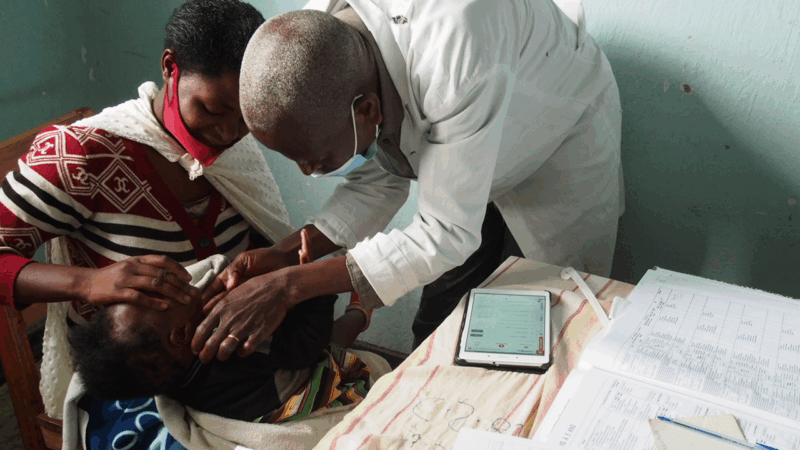
Can a digital tablet cut back a country’s overuse of antibiotics?
Overprescribing antibiotics breeds antibiotic resistance. A new tool aims to lower a notably high rate of such prescriptions in Rwanda.
