
Fed Chair Jerome Powell says tariff uncertainty warrants caution on rate cuts
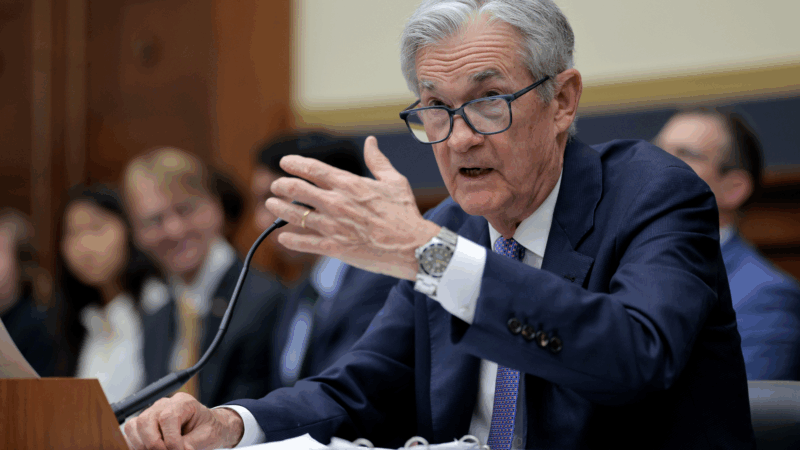
Federal Reserve Chair Jerome Powell said on Tuesday that President Trump’s tariffs pave a “highly uncertain” path for the U.S. economy, which warrants the central bank’s wait-and-see approach to cutting interest rates.
“We do expect to show up — tariff inflation to show up more,” Powell told the House Financial Services Committee. “But I want to be honest, we really don’t know how much of that’s going to be passed through to the consumers. We just don’t know. And we won’t know until we see it. It could be lower than we expect; it could be higher. We have to wait and see, which is kind of what we’re doing.”
The Fed last week left interest rates unchanged, though policymakers signaled they remain on track for two rate cuts later this year. That decision came despite President Trump’s continued campaign — and personal attacks on Powell — to press the independent central bank for faster interest rate cuts to boost the economy.
The Fed last week pointed to low employment, growing wages and “decent” economic growth as reasons to maintain — rather than ease — the cost of borrowing. And in his semi-annual report to Congress Tuesday, Powell reaffirmed this stance as he was asked why the Fed has not followed the faster pace of rate-cuts done by European central banks.
“The reason we’re not is the forecast,” the Fed chair said, “all professional forecasters that I know of, on the outside and the Fed, do expect a meaningful increase in inflation over the course of this year.”
Many businesses might still be working through inventories that got shipped before the tariffs went into effect, Powell also said, adding that summer data should begin to show whether — or how much — consumer prices rise to cover new costs for U.S. importers.
President Trump has changed the level of his global tariffs several times in recent months, pausing many of them until next month as his administration continues to negotiate individual deals with countries. The Fed has been in a holding pattern on interest rates since December, after cutting borrowing costs by a full percentage point last year.
On Tuesday, the president again attacked the Powell, calling him a “very dumb, hardheaded person.”
Within the Fed, there is some openness to lowering interest rates more quickly. After last week’s meeting, a couple of governors — Christopher Waller and Michelle Bowman — said they were open to considering rate cuts as early as their next meeting in July.
The central bank is tasked with both maintaining stable prices and maximum employment.
Besides tariffs, the Fed is monitoring the combined effects of Trump’s policies on taxes, immigration and regulation. Tax cuts and deregulatory moves have the potential to boost the economy while strict border controls and large-scale deportations could make it harder for businesses to find the workers they need.
Opinion: The immorality of betting on war
Traders on prediction markets bet on nearly anything. One made more than half a million dollars betting on the U.S. strike against Iran. But should people wager on human suffering?
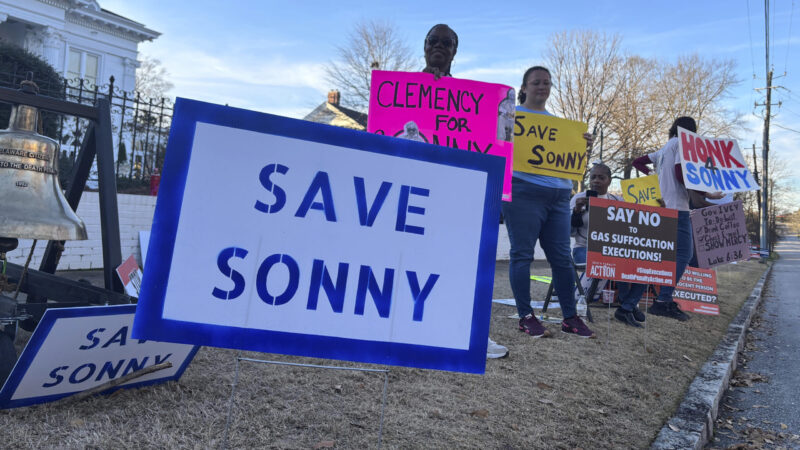
Alabama man facing execution for deadly robbery asks for clemency as he didn’t kill victim
Charles “Sonny” Burton is scheduled to be executed March 12 for his role in a 1991 robbery in which a man was fatally shot. His supporters and attorney are asking the governor for clemency, arguing that his life should be spared because Burton didn’t fire the gun or witness the killing.

Curling had its moment at the Olympics and now Paralympics. It sparked a curling bonanza in America
Hundreds of people become interested in curling every four years and the 2026 numbers already show that boom.
One week into the Iran war, the fallout is global
The war is no longer just about the U.S., Israel and Iran. More countries are getting caught in the political crossfire or being drawn into the fighting themselves.
Iran’s president defies U.S. demands while apologizing for strikes on neighbors
President Masoud Pezeshkian said Saturday that a demand by the U.S. for an unconditional surrender is a "dream that they should take to their grave." He also apologized for Iran's attacks on regional countries.
What the Trump administration says about why it went to war with Iran
The Trump administration says it is "laser focused" and mission driven, but the messaging has been varied. The range of cited motivations for striking Iran now are sometimes at odds with each other.
