
FDA approves another generic abortion pill, prompting outrage from conservatives
WASHINGTON — Federal officials have approved another generic version of the abortion pill mifepristone, a regulatory formality that quickly triggered pushback from anti-abortion groups and politicians aligned with the Trump administration.
Drugmaker Evita Solutions announced on its website that the Food and Drug Administration signed off on its low-cost form of the pill, which is approved to end pregnancies through 10 weeks.
Students for Life Action, which opposes abortion, in a statement Thursday called the approval “a stain on the Trump presidency and another sign that the deep state at the FDA must go.”
Republican Sen. Josh Hawley of Missouri also criticized the move in a post on X, stating, “I have lost confidence in the leadership at FDA.”
A spokesperson for the agency said the FDA “has very limited discretion in deciding whether to approve a generic drug,” and added that FDA officials do not “endorse any product.”
The criticism comes as Republican President Donald Trump’s top health officials, including Health Secretary Robert F. Kennedy Jr., face growing pressure from abortion opponents to reevaluate mifepristone, which was approved 25 years ago and has repeatedly been deemed safe and effective by FDA scientists.
In a letter to Republican attorneys general last month, Kennedy and FDA Commissioner Dr. Marty Makary pledged to conduct a full review of the drug’s safety.
Under Makary and Kennedy, the FDA has repeatedly delayed decisions on vaccines, ultimately narrowing the terms of approval for this year’s COVID-19 shots. That type of political intervention was previously highly unusual at the FDA, where career scientists typically make such decisions.
The FDA approved the original version of mifepristone in 2000 and gradually eased access over time. That included approving the first generic pill, from drugmaker GenBioPro, in 2019.
In 2021, the FDA under Democratic President Joe Biden permitted online prescribing and mail-order delivery of the drug, greatly expanding access. Abortion opponents have been fighting the change ever since.
Approval of generic drugs is typically a rote process at the FDA, with multiple copycat versions usually approved after the patent on the original drug expires. In most cases, generic drugmakers only need to show that their drug matches the ingredients and formula used in the original medication.
“This is exactly how our system is supposed to work, and it has worked this way for decades,” said Mini Timmaraju of Reproductive Freedom for All. “Career scientists and civil servants at the FDA did their jobs.”
The FDA typically approves such applications within 10 months. But filing documents posted to the FDA’s website show that Evita Solutions filed its application to market mifepristone four years ago.
On its website, Evita states that it “believes that all people should have access to safe, affordable, high-quality, effective, and compassionate abortion care.”
The company said in an email that the drug is expected to launch in January of next year.
Approval of a second generic is unlikely to affect access to the pill, which is typically taken with another drug, misoprostol. The combination accounts for roughly two-thirds of all U.S. abortions. Mifepristone dilates the cervix and blocks the hormone progesterone, while misoprostol causes the uterus to cramp and contract.
Access to mifepristone is restricted across large sections of the country because of state laws that ban abortion — including medication abortion — or impose separate restrictions on the drug’s use. Those laws are subject to a number of ongoing lawsuits that are winding their way through the legal system.
Restrictions on the pill are not supported by most major medical societies, including the American Medical Association.
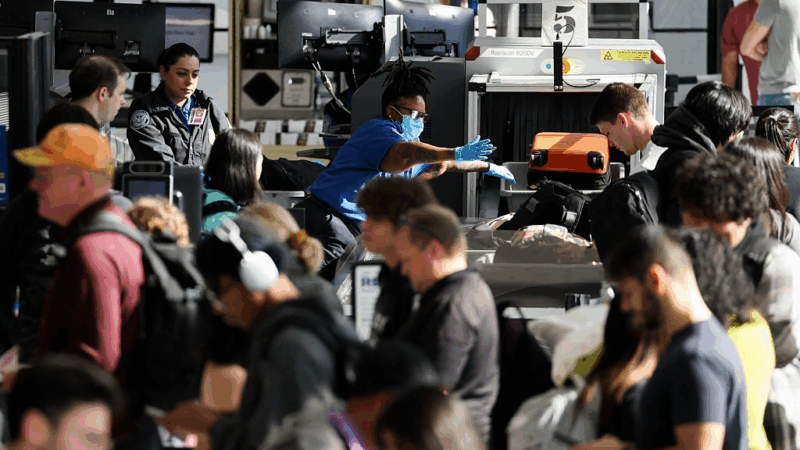
Travel industry pushes Congress to end DHS shutdown and pay federal security workers
With the busy spring break travel season looming, travel and aviation industry leaders urged Congress to end the stalemate over DHS funding before workers at TSA and ports miss a full paycheck.
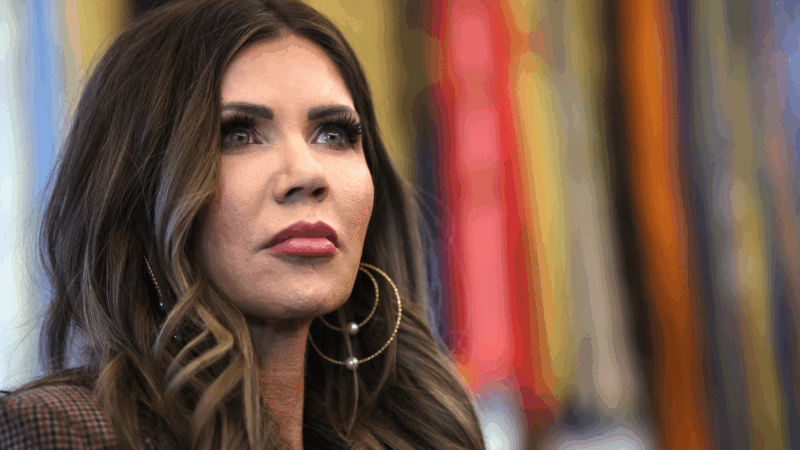
Trump fires Kristi Noem as DHS chief, names Sen. Markwayne Mullin to replace her
President Trump has fired his homeland security secretary, Kristi Noem, and said Markwayne Mullin, a senator from Oklahoma, would replace her.

They were led off course in a big race. But a fix is more complicated than prize money
Top finishers in the Atlanta half marathon are calling for U.S. track officials to ensure that Jess McClain and two other athletes aren't excluded from the world championships because of an error.
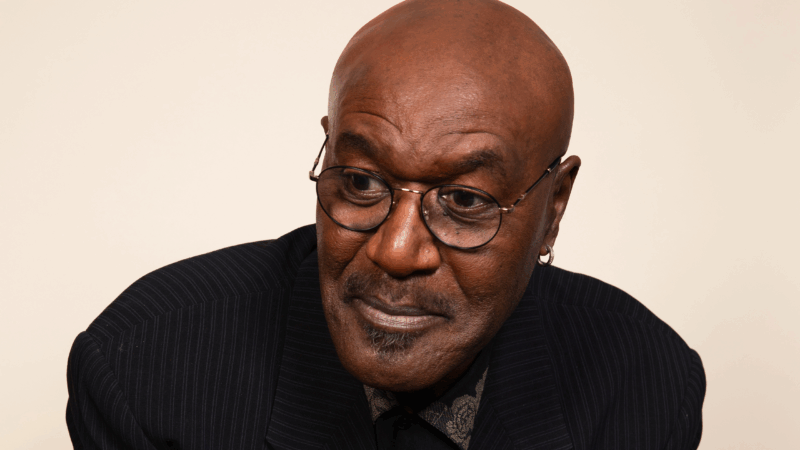
No matter what happens at the Oscars, Delroy Lindo embraces ‘the joy of this moment’
Lindo is nominated for best supporting actor for his role in Sinners. At the BAFTA awards on Sunday, Lindo was presenting when a man with Tourette syndrome in the audience yelled out a racial slur.

Between Megan Moroney and Ella Langley, country women rule the charts
It's a big week for women in country music — and, it turns out, for women whose songs are favored by women in figure skating.
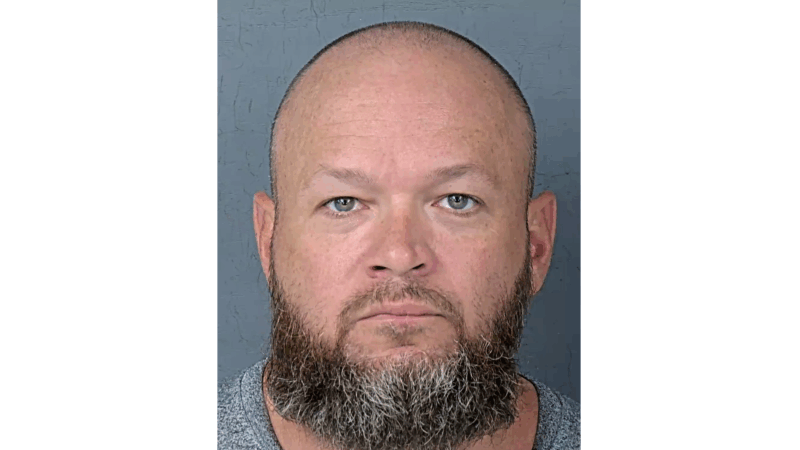
A Jan. 6 rioter pardoned by Trump was sentenced to life in prison for child sex abuse
Since receiving presidential pardons, dozens of former Capitol rioters have gotten into more legal trouble. In Florida, Andrew Paul Johnson was sentenced to life in prison for child sex abuse.
